
 Español
 中文简体
中文简体The 5/8 UNF Charging kit is a high-pressure tool specifically designed for charging or filling hydraulic systems (such as accumulators) with nitrogen or gas. "UNF" refers to the thread specification o...
See Details
What Is an Accumulator Nitrogen Charging Kit?
Admin 2026-08-07Content
- 1 What the Nitrogen Charging Kit Actually Contains
- 2 When the Kit Gets Used
- 3 How a Charging Cycle Works, Step by Step
- 4 Why the Pre-Charge Number Is So Important
- 5 Charging Kit and Accessory Series
- 6 Common Pre-Charge Conditions and Their Effect
- 7 What to Check Before Choosing a Charging Kit Supplier
- 8 About the Manufacturer Behind These Kits
- 9 Frequently Asked Questions
Quick Answer
An Accumulator Nitrogen Charging Kit is a portable set of tools — hose, control valve, gauge, and adapter — used to fill a hydraulic accumulator with dry nitrogen gas and to verify that the pre-charge pressure stays within the correct working range. Technicians connect the kit between a nitrogen cylinder and the accumulator's gas valve, then charge, adjust, or bleed pressure without removing the accumulator from the system.
Below is a closer look at how the kit is built, how a charging cycle is carried out, why the pre-charge number matters so much, and what to check before choosing a supplier.
What the Nitrogen Charging Kit Actually Contains
01
Charging Valve
Mounts directly onto the accumulator's gas valve stem and controls the direction of gas flow into or out of the shell.
02
Charging Tool / Hose
The intermediate connector between the charging valve and the nitrogen cylinder, built to hold high pressure without leaking.
03
Pressure Regulator
Fitted to the nitrogen cylinder to step the output down to a controlled target, such as 200 bar or 300 bar.
04
Pressure Gauge
Gives the operator a real-time reading throughout the fill so the target pre-charge is never overshot.
As a complete Gas Filling Tool, this combination lets a single technician carry out initial commissioning, scheduled top-ups, and post-repair recharging in the field, without sending the accumulator back to a workshop.
When the Kit Gets Used
Initial Inflation
On first commissioning, or right after an accumulator or bladder replacement, the kit establishes the system's starting operating pressure from zero.
Routine Recharging
Nitrogen slowly permeates through seals over months of service, so periodic top-ups with the same kit keep pressure inside spec.
Pressure Adjustment
When a hydraulic circuit's duty changes, the kit is used to raise or bleed off gas so the accumulator matches the new working requirement.
How a Charging Cycle Works, Step by Step
1
Connect and Seal
Attach the charging hose to the accumulator's gas valve and tighten the connection securely before opening anything.
2
Open Gradually
Crack the control valve slowly, watching the gauge continuously as nitrogen begins moving into the accumulator shell.
3
Stop at Target
Close the valve the moment the gauge reaches the specified pre-charge figure — never charge past the rated value.
4
Disconnect and Check
Remove the hose, then inspect the valve connection for any audible or soapy-water leak before returning the unit to service.
Why the Pre-Charge Number Is So Important
Nitrogen is used instead of compressed air because it is inert and non-flammable, removing the risk of internal combustion under the heat and pressure generated inside an accumulator during rapid compression.
Most industrial accumulators need a pre-charge equal to roughly 90% of the system's minimum working pressure. Straying from that figure by only 10 to 15 percent can noticeably shorten bladder or diaphragm life and cut into the accumulator's usable fluid volume.
90% typical pre-charge ratio
Charging Kit and Accessory Series
A matched set of charging kits and mounting accessories covers commissioning, field top-ups, and routine maintenance across bladder, piston, and diaphragm accumulator lines.
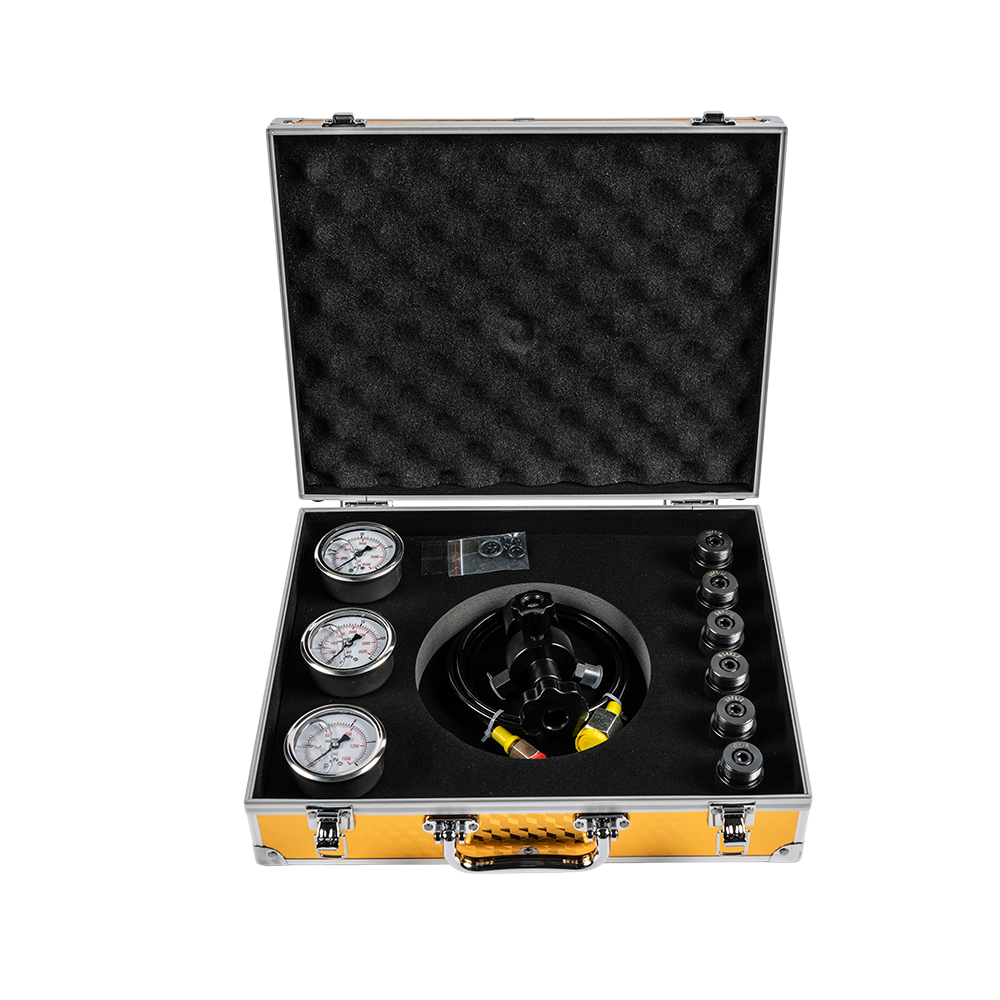
FPU Charging Kit
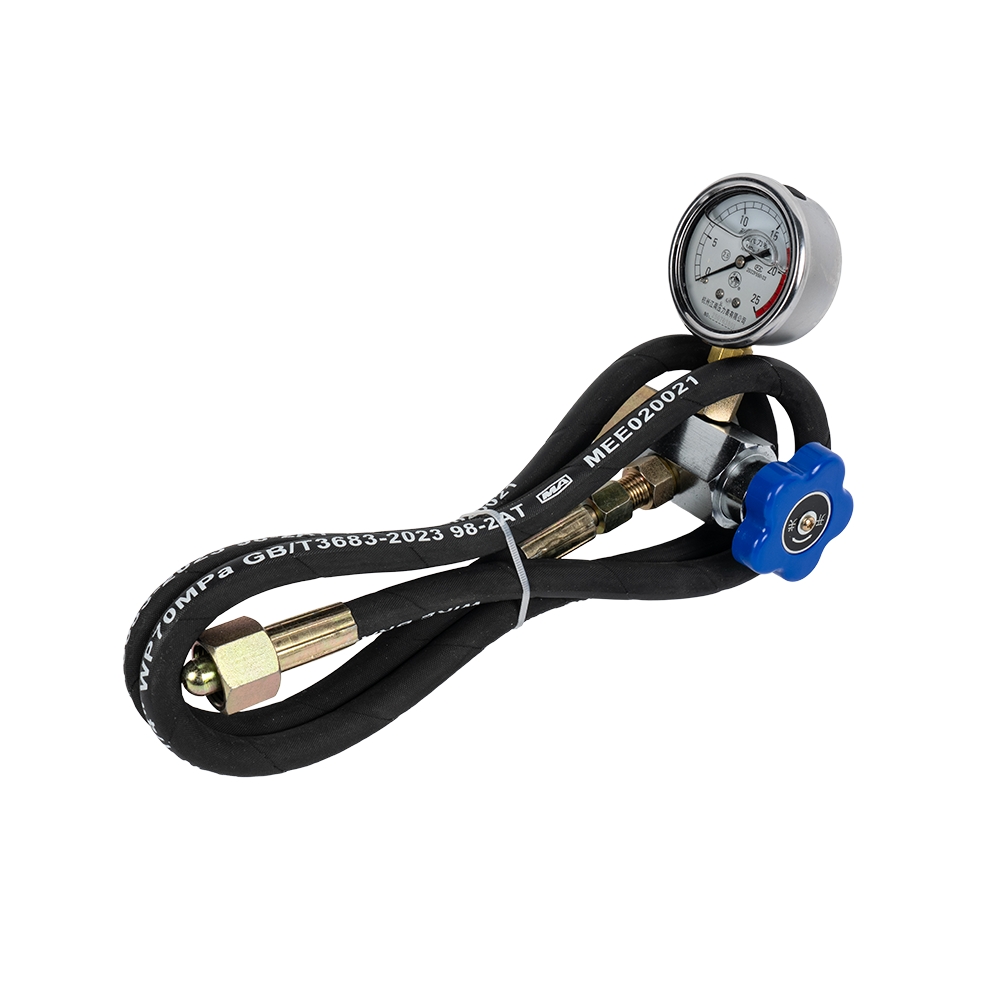
CQJ Charging Kit
5/8UNF Charging Kit
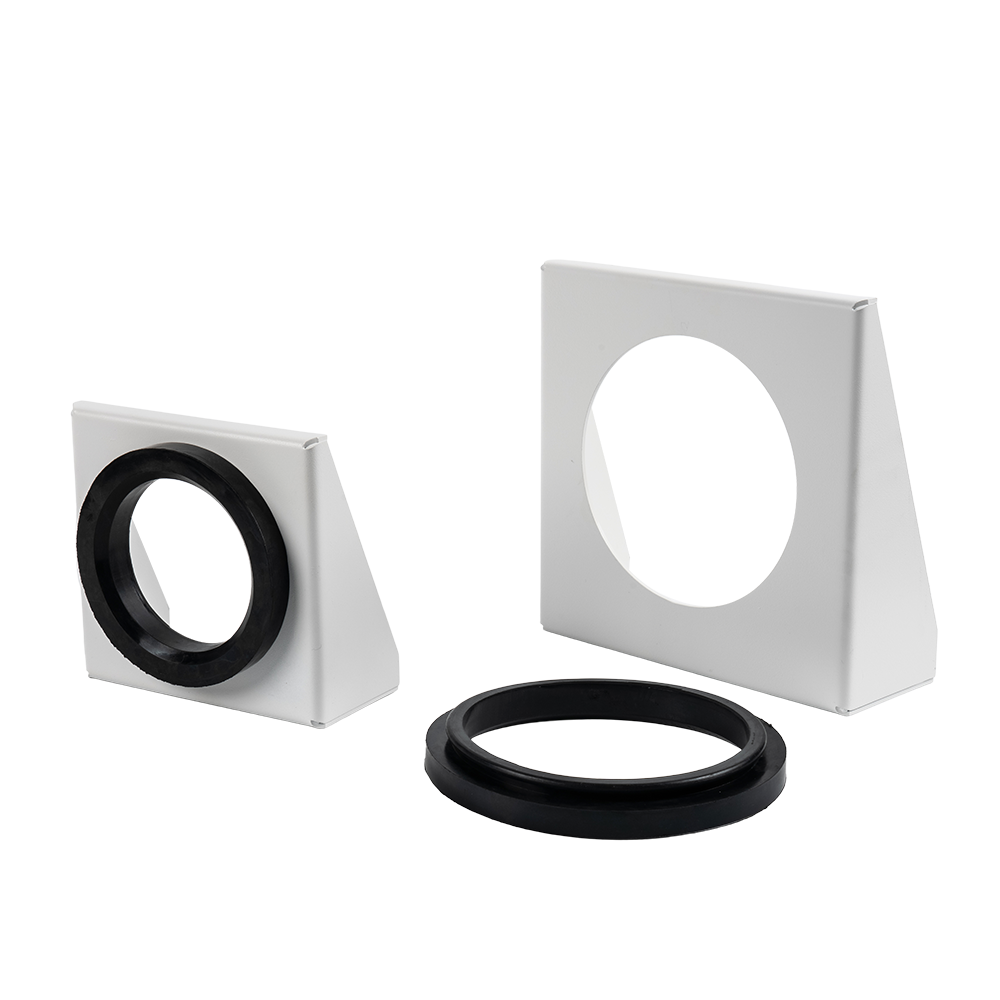
Accumulator Mounting Bracket
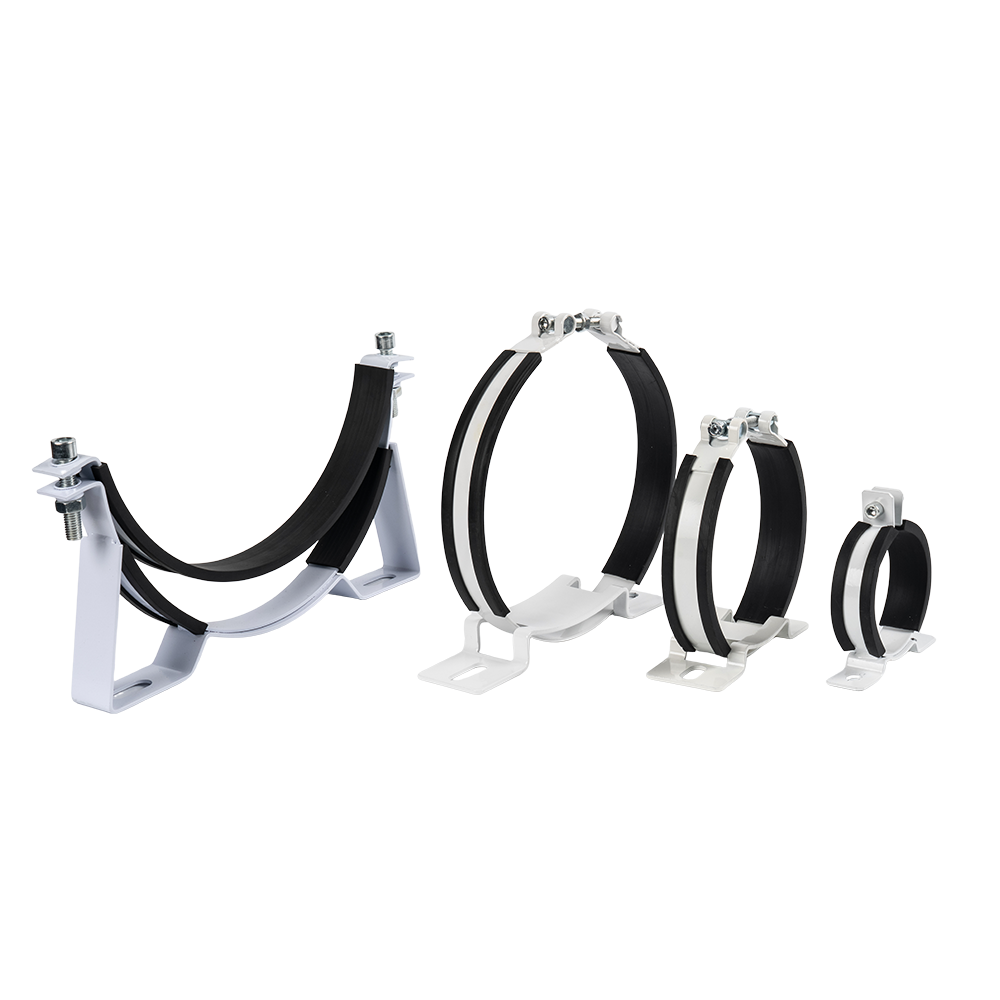
Accumulator Hoop
Common Pre-Charge Conditions and Their Effect
| Condition | Effect on System |
|---|---|
| Pre-charge too low | Bladder may contact the valve, causing early wear |
| Pre-charge too high | Reduced usable fluid volume and a slower system response |
| Pre-charge correct | Stable pressure compensation and extended service life |
What to Check Before Choosing a Charging Kit Supplier
A
Gauge accuracy and pressure range matched to your accumulator series
B
Hose pressure rating with an adequate safety margin above working pressure
C
Valve adapter compatibility with your accumulator's specific gas valve type
D
A sturdy carrying case suited to repeated field maintenance use
About the Manufacturer Behind These Kits
Ningbo Fenghua Jiangkou Jingyi Hydraulic Co., Ltd., founded in 2012 in Xikou Town, Fenghua District, Ningbo City, Zhejiang Province, is a national high-tech enterprise built around hydraulic and pneumatic components, with a workshop area of more than 5,000 square meters.
Grade A2 Pressure Vessel License EU CE Certified Founded 2012 5,000+ m² Workshop
As a China OEM/ODM Accumulator Nitrogen Charging Kit Supplier and Gas Filling Tool Factory, the company holds the Special Equipment Manufacturing License (Grade A2 for Pressure Vessels) issued by the Zhejiang Administration for Market Regulation, alongside EU CE certification, giving it manufacturing qualifications for high-pressure accumulators and access to international markets.
Frequently Asked Questions
Why must nitrogen be used instead of compressed air in a Gas Filling Tool?
Nitrogen is inert and will not support combustion, while compressed air contains oxygen that can ignite under the high pressure and heat generated inside an accumulator.
How often should pre-charge pressure be rechecked?
Most maintenance schedules recommend checking every 3 to 6 months, since minor gas permeation through seals occurs naturally over time.
Can the same Accumulator Charging Kit be used on different accumulator brands?
In most cases yes, as long as the kit's adapter matches the valve stem design and the gauge range covers the required pressure, though some valve types may need a different adapter.
What safety precaution matters most when using a Nitrogen Charging Device?
Always charge gradually and never exceed the accumulator's rated pre-charge pressure, since overcharging can damage the bladder or diaphragm and create a serious safety hazard.
PREV: Hydraulic Energy Storage: How Accumulators Store and Release Power in Hydraulic SystemsNEXT: What is a bladder accumulator station?
Related Products
-

-
The CQJ charging kit is a specialized tool for charging, replenishing, correcting, and checking the charging pressure of accumulators in hydraulic systems.
See Details -

An accumulator bracket is a mechanical device used to fix and support a hydraulic accumulator.
See Details -

An accumulator clamp is a metal fastener specifically designed for securing and supporting hydraulic or pneumatic accumulators. Its primary function is to prevent the accumulator from swaying, deformi...
See Details -
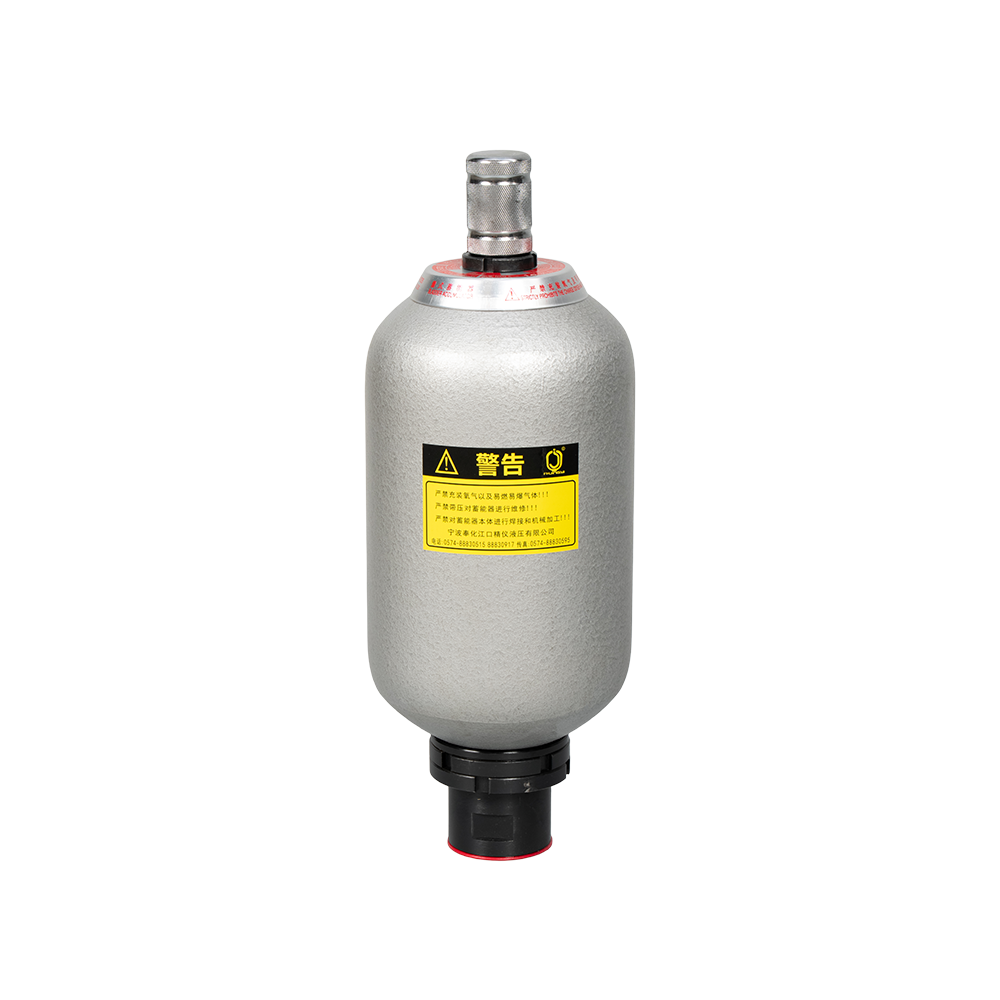
The NXQ Series Bladder Accumulator is a bladder-type accumulator conforming to national standards (JB/T 7036-93) or HG2331. Its core component is the "bladder" or "capsule," hence the name. This serie...
See Details -
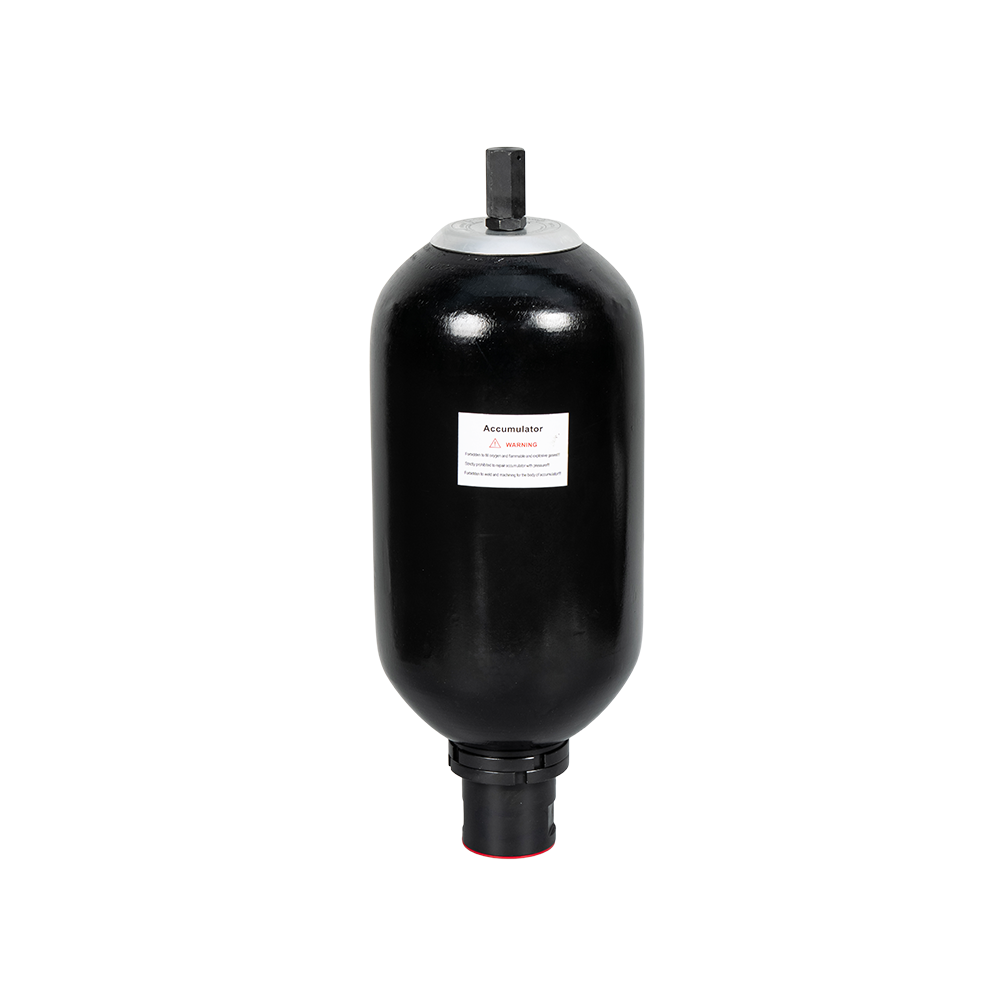
PED-type bladder accumulators refer to bladder accumulators that comply with the EU PED Directive (2014/68/EU). These accumulators typically consist of a steel outer shell and an internal elastic blad...
See Details
News
-
An accumulator is a pressure storage device used in hydraulic systems to store energy in the form of pressurized fluid and release it on demand. It works by separating a pre-charged nitrogen gas from hydraulic...
READ MORE -
What Is an Accumulator Charging Kit and What Does It Do? An accumulator charging kit is a specialized set of tools used to safely charge, check, and adjust the nitrogen gas pre-charge pressure inside hydraulic...
READ MORE -
A hydraulic accumulator is a pressure vessel that stores hydraulic energy by compressing nitrogen gas against incompressible hydraulic fluid, then releases that stored energy back into the circuit whenever th...
READ MORE -
A piston accumulator is a hydraulic energy storage vessel that uses a free-moving piston to separate compressed nitrogen gas from hydraulic fluid inside a steel cylinder. When system pressure rises, oil pushe...
READ MORE -
A hydraulic bladder accumulator is a pressure vessel that stores hydraulic energy by using a flexible rubber bladder to separate pressurized nitrogen gas from hydraulic fluid. As an industrial hydraulic accumu...
READ MORE -
Every hydraulic system has a moment when demand exceeds supply. A molding press calls for a sudden surge of fluid; a wind turbine pitch drive needs a short burst of power; a hydraulic rig requires emergency pr...
READ MORE
contact us

-

-

Mobile: +86-574-88830515
-

Telephone: +86-15968431761
-

No. 12 Xujiabu, Xikou Town, Fenghua District, Ningbo City, Zhejiang Province, P.R.China