
 Español
 中文简体
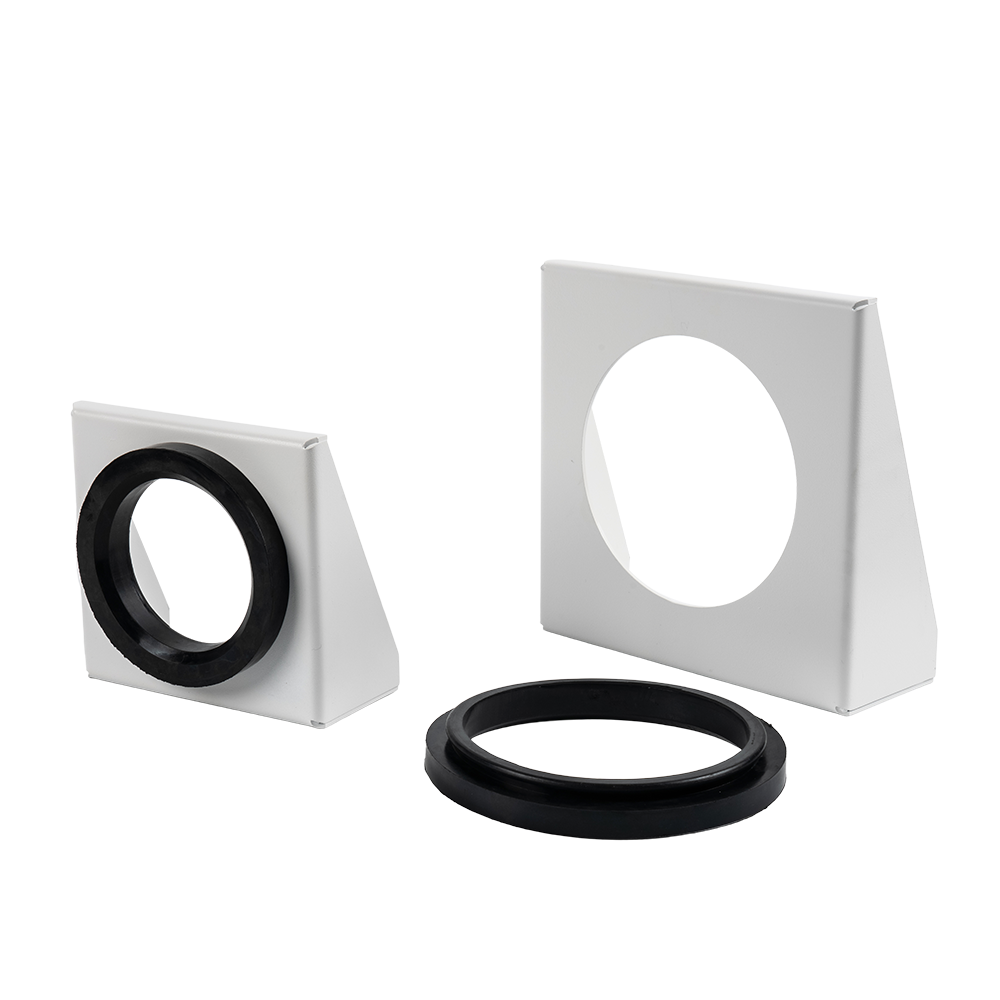
中文简体An accumulator bracket is a mechanical device used to fix and support a hydraulic accumulator.
See Details
What Does an Accumulator Do?
Admin 2026-06-23Content
- 1 Core Functions: What an Accumulator Actually Does
- 2 How an Accumulator Works: The Operating Principle
- 3 Types of Accumulators and When to Use Each
- 4 The Accumulator Shell: The Foundation of Performance
- 5 Key Selection Criteria for Accumulators
- 6 Industries and Applications Where Accumulators Are Essential
- 7 Maintenance and Safety Considerations
An accumulator is a pressure storage device used in hydraulic systems to store energy in the form of pressurized fluid and release it on demand. It works by separating a pre-charged nitrogen gas from hydraulic fluid using an internal separator — typically a bladder, piston, or diaphragm. When system pressure rises, hydraulic fluid enters the accumulator and compresses the gas, storing energy. When pressure drops or demand spikes, the compressed gas expands and forces the fluid back into the system. The result is a hydraulic circuit that responds faster, operates more smoothly, and handles peak loads without oversizing the pump.
This device is not a passive component — it actively manages fluid pressure throughout every operating cycle. Whether absorbing shock, compensating for leaks, or providing emergency backup power, the accumulator plays a central role in hydraulic system reliability.
Core Functions: What an Accumulator Actually Does
Accumulators serve several distinct functions, and a single unit may fulfill multiple roles depending on how it is integrated into the hydraulic circuit.
Energy Storage and Peak Flow Supplementation
Hydraulic systems frequently experience cyclical demand — moments of high flow need followed by idle periods. Rather than sizing the pump for maximum peak demand, an accumulator stores energy during low-demand phases and releases it during peak requirements. This enables the use of a smaller, more cost-efficient pump without sacrificing performance. The accumulator effectively bridges the gap between what the pump continuously supplies and what the circuit temporarily needs.
Shock Absorption and Pressure Spike Reduction
Sudden valve closures, rapid cylinder stops, or water hammer effects generate destructive pressure spikes that wear down seals, valves, and other components. An accumulator acts as a hydraulic cushion — absorbing these shocks by allowing fluid to temporarily compress the gas chamber. Bladder-type accumulators are especially effective in this role because of their fast response to pressure changes, provided the maximum spike pressure does not exceed four times the precharge pressure.
Emergency Backup Power
In the event of pump failure or a power outage, stored energy in the accumulator can continue to operate hydraulic actuators — closing safety valves, lowering loads, or completing a motion cycle safely. This function is critical in safety-sensitive applications such as industrial presses, offshore equipment, and braking systems.
Leakage and Thermal Expansion Compensation
Minor internal or external leakage can cause the pump to cycle on and off repeatedly — a condition known as pump hunting. An accumulator maintains system pressure during small leakage events, reducing unnecessary pump cycling and prolonging pump life. It also accommodates thermal expansion of hydraulic fluid as temperatures change, preventing unintended pressure buildup.
Pulsation Dampening
Hydraulic pumps produce pressure pulses as each pumping chamber discharges fluid. These pulses create vibration and noise throughout the circuit. Accumulators — particularly inline bladder types designed for dampening — smooth out these pulsations, reducing mechanical stress and audible noise in the system.
How an Accumulator Works: The Operating Principle
The operation of a gas-charged accumulator (the most common type) follows a straightforward thermodynamic principle:
- The accumulator is pre-charged with nitrogen gas to a pressure typically set at around 80–90% of the minimum system working pressure.
- As the hydraulic pump builds system pressure above the precharge level, fluid enters the accumulator, compressing the nitrogen gas.
- The compressed gas stores potential energy — functioning like a spring under load.
- When system demand exceeds pump supply, or pressure drops, the gas expands and forces the stored fluid back into the hydraulic circuit.
- The separator element (bladder, piston, or diaphragm) ensures the gas and fluid never mix.
Nitrogen is the standard gas used because it is inert and non-flammable. Using air or oxygen-containing gases is dangerous — compressed, heated oxygen can ignite hydraulic fluid, creating an explosion risk.
Types of Accumulators and When to Use Each
Three main types are used in industrial and mobile hydraulic systems. Each has a distinct construction and a specific performance profile.
| Type | Separator Element | Response Speed | Best Application |
|---|---|---|---|
| Bladder | Rubber bladder inside a steel shell | Fast | General-purpose, shock absorption, mobile equipment |
| Piston | Free-floating piston with seals | Moderate | High-pressure/high-volume energy storage, heavy industrial |
| Diaphragm | Flexible rubber disc between two shells | Fast | Low-volume, compact systems, cost-sensitive applications |
Bladder Accumulator
This is the most widely used type. A rubber bladder sits inside a steel shell — the accumulator shell — with hydraulic fluid stored in the space outside the bladder and nitrogen gas inside. The precharge must be kept below minimum system pressure to prevent the bladder from being forced through the discharge poppet valve. Bladder accumulators deliver fast response, making them the preferred choice for shock absorption and pulsation dampening in applications up to approximately 5,000 PSI.
Piston Accumulator
A cylindrical pressure vessel houses a free-floating piston that separates gas from fluid. Piston accumulators handle larger fluid volumes and are well-suited to high-pressure energy storage in heavy industrial systems. However, their higher inertia means slower response — they are not the best choice for dampening rapid pressure spikes.
Diaphragm Accumulator
Two spherical shells enclose a rubber disc that separates gas from fluid. The compact design limits fluid volume capacity but makes diaphragm accumulators economical and space-efficient for low-pressure, low-volume applications. Some diaphragm models are non-serviceable and must be replaced if the disc ruptures.
The Accumulator Shell: The Foundation of Performance
The accumulator shell is the pressure vessel that contains all internal components and withstands the full working pressure of the hydraulic system. Its integrity is fundamental to both performance and safety. Shell quality directly determines:
- Pressure rating — shells must be rated to handle maximum system pressure with a defined safety margin.
- Material compatibility — the shell material must be chemically compatible with the hydraulic fluid and operating environment, including temperature extremes.
- Dimensional precision — especially for piston-type accumulators, where the bore finish directly affects seal wear and piston movement.
- Long-term fatigue resistance — shells cycle between charged and discharged states throughout their service life, requiring materials and manufacturing processes that resist fatigue cracking.
Sourcing accumulators from a qualified accumulator shell manufacturer with documented material traceability and compliance with pressure vessel standards is essential for safety-critical applications. The shell is not an interchangeable commodity — its specification must be matched to the system's operating pressure range, fluid type, temperature profile, and cycling frequency.
Jingyi Hydraulic manufactures accumulator shells for bladder, piston, and diaphragm accumulators, offering a range of pressure ratings and material options. Their product line is designed for compatibility with standard hydraulic fluids and can be reviewed at jingyihydraulic.com/product/accumulator/.
Key Selection Criteria for Accumulators
Choosing the wrong accumulator type or size leads to underperformance, excessive wear, or premature failure. The following parameters must be evaluated before specifying an accumulator:
- Operating pressure range — both minimum and maximum working pressures, which determine precharge setting and shell rating.
- Required fluid volume — the usable fluid volume that must be stored and released per cycle.
- Response speed — bladder and diaphragm types respond faster than piston types due to lower inertia.
- Cycling frequency — high-cycle applications demand separator materials and shell constructions rated for fatigue.
- Fluid compatibility — seals, bladder, and diaphragm materials must be chemically compatible with the hydraulic fluid.
- Temperature range — operating and storage temperatures affect gas behavior and elastomer performance.
- Mounting and space constraints — the physical envelope available for the accumulator and its orientation.
Industries and Applications Where Accumulators Are Essential
Accumulators appear across virtually every sector that relies on hydraulic power:
- Construction machinery — excavators, loaders, and backhoes use bladder accumulators for shock absorption and energy recovery during boom and arm movements.
- Industrial presses and forming machines — piston accumulators supplement pump flow during the high-force press stroke, allowing smaller pump motors and lower energy consumption.
- Offshore and marine systems — emergency accumulator banks provide backup actuation for subsea valves and safety systems when primary power is lost.
- Automotive and suspension systems — hydropneumatic suspensions use accumulators to absorb road inputs and maintain ride height.
- Aircraft hydraulics — both main and emergency hydraulic circuits rely on accumulators to dampen pressure changes and supply backup power for landing gear, brakes, and flight controls.
- Process and chemical plants — accumulators maintain pressure stability in continuous-flow systems and compensate for thermal fluid expansion in closed circuits.
Maintenance and Safety Considerations
Accumulators are pressure vessels and must be treated accordingly. Key maintenance and safety points include:
- Gas precharge verification — the nitrogen precharge pressure should be checked periodically with the hydraulic system depressurized. A loss of precharge reduces usable fluid volume and degrades performance.
- Depressurize before maintenance — stored energy in an accumulator remains even after the pump is off. The circuit must be fully depressurized before opening any connections.
- Use only nitrogen for recharging — never use air or oxygen-containing gases, which create a combustion risk when compressed with hydraulic fluid.
- Inspect bladder and seals — elastomeric separators degrade over time, especially under thermal cycling or incompatible fluid exposure. Regular inspection prevents contamination and sudden pressure loss.
- Compliance with pressure vessel regulations — accumulators are subject to national and regional pressure vessel safety standards. Ensure any unit in service carries appropriate certification for its operating environment.
PREV: How to Choose the Right Hydraulic Valve for Any Application?NEXT: Diaphragm Accumulators for Small Precision Hydraulic Systems
Related Products
-
-
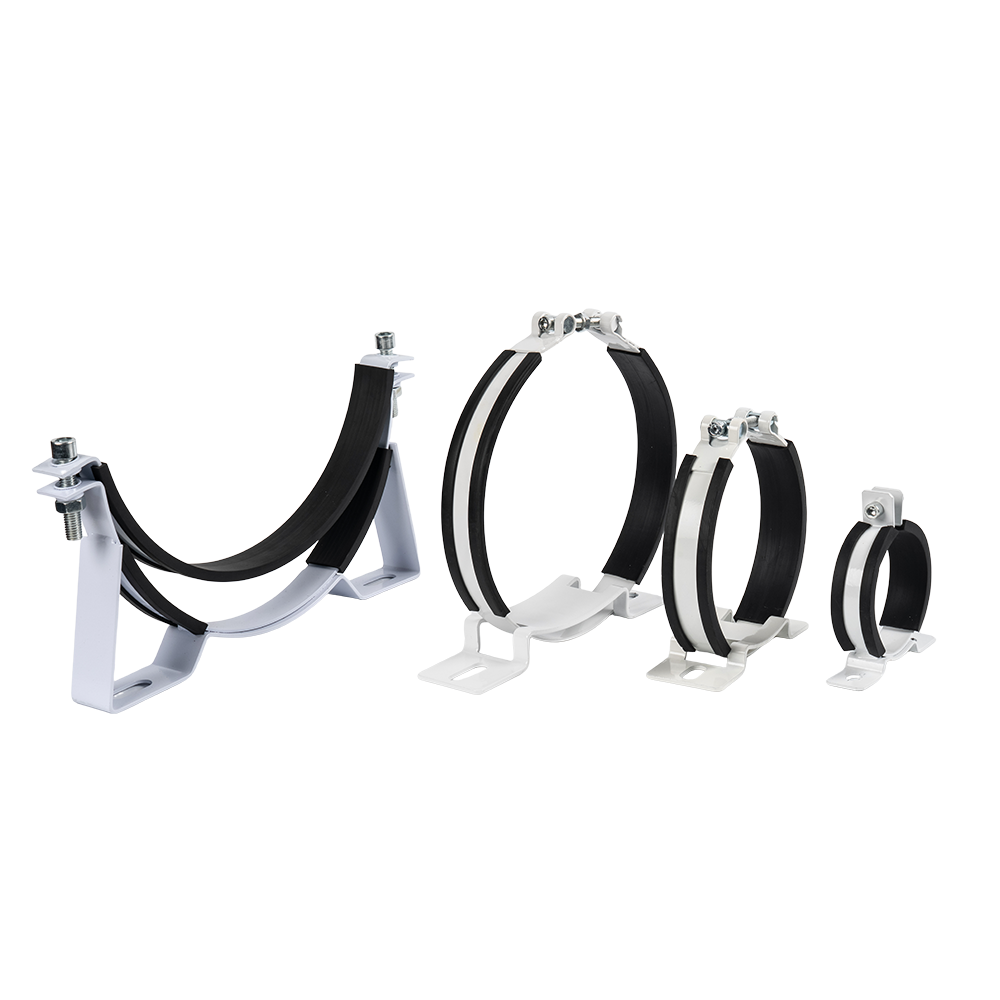
An accumulator clamp is a metal fastener specifically designed for securing and supporting hydraulic or pneumatic accumulators. Its primary function is to prevent the accumulator from swaying, deformi...
See Details -
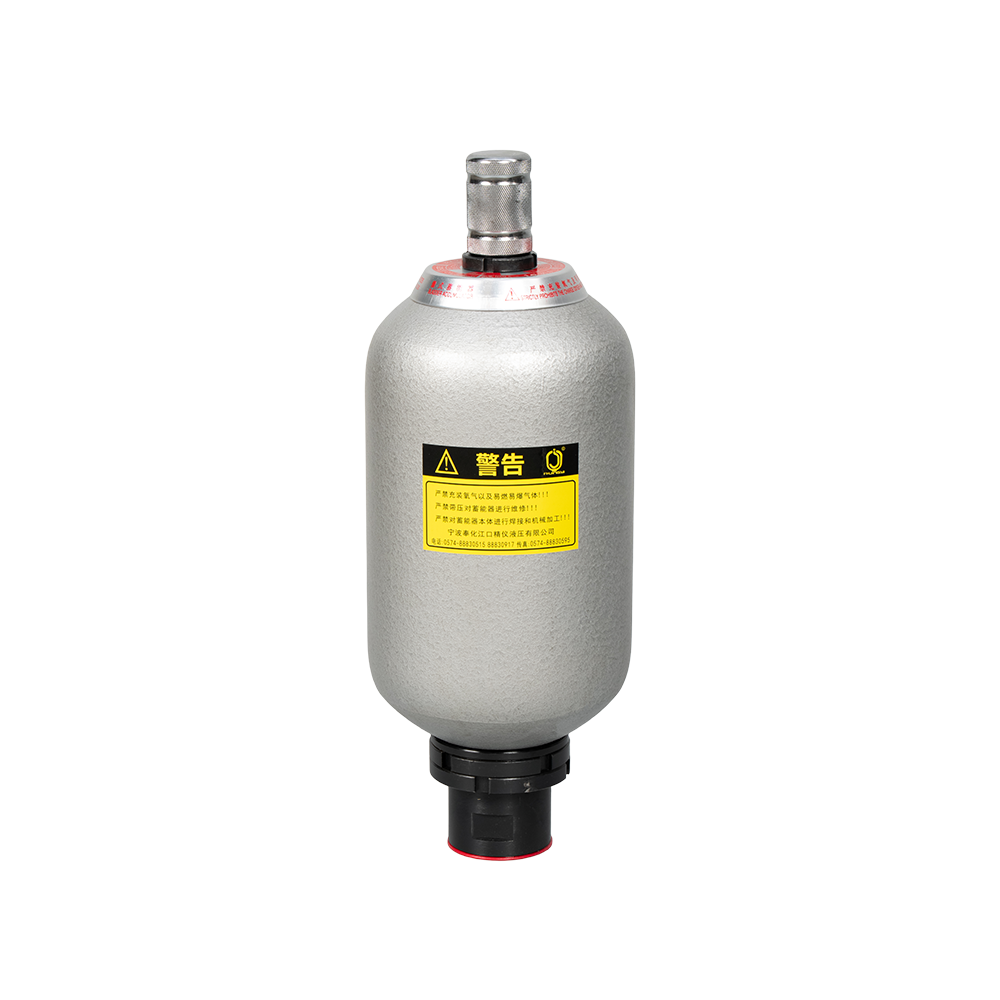
The NXQ Series Bladder Accumulator is a bladder-type accumulator conforming to national standards (JB/T 7036-93) or HG2331. Its core component is the "bladder" or "capsule," hence the name. This serie...
See Details -
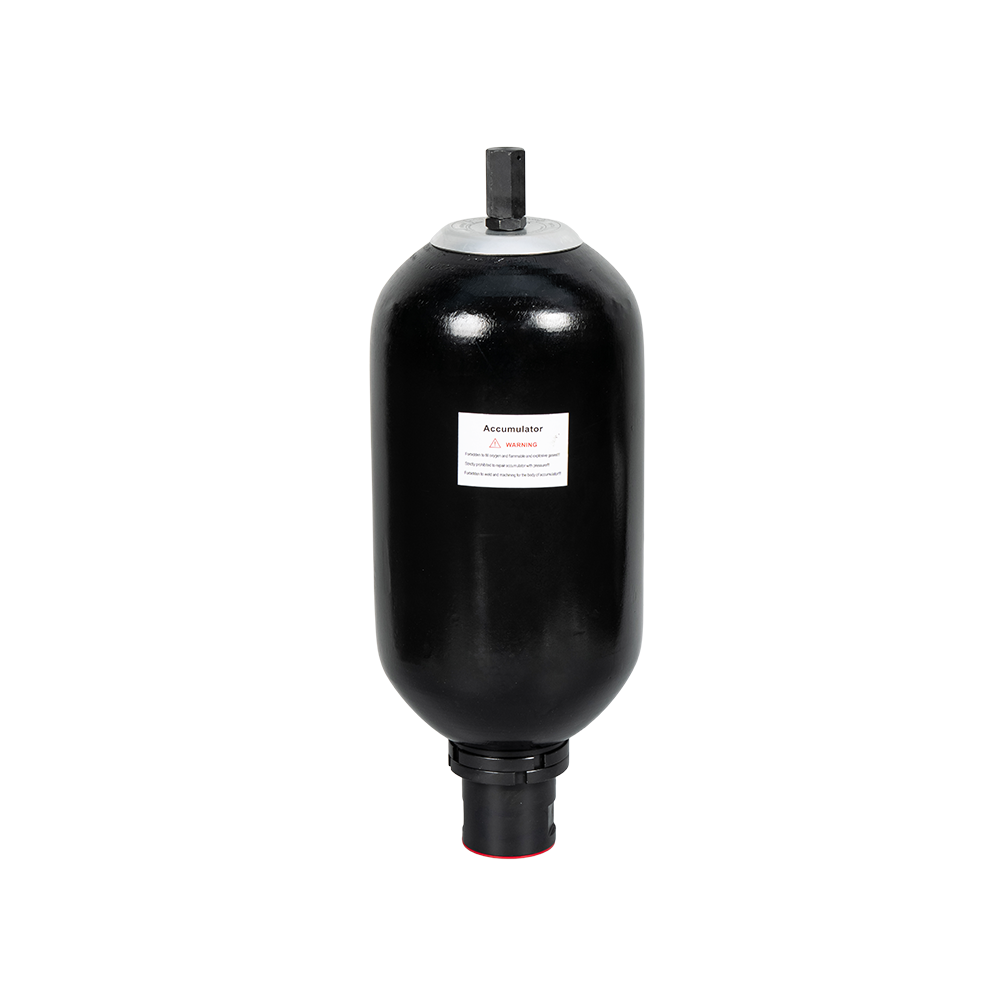
PED-type bladder accumulators refer to bladder accumulators that comply with the EU PED Directive (2014/68/EU). These accumulators typically consist of a steel outer shell and an internal elastic blad...
See Details -
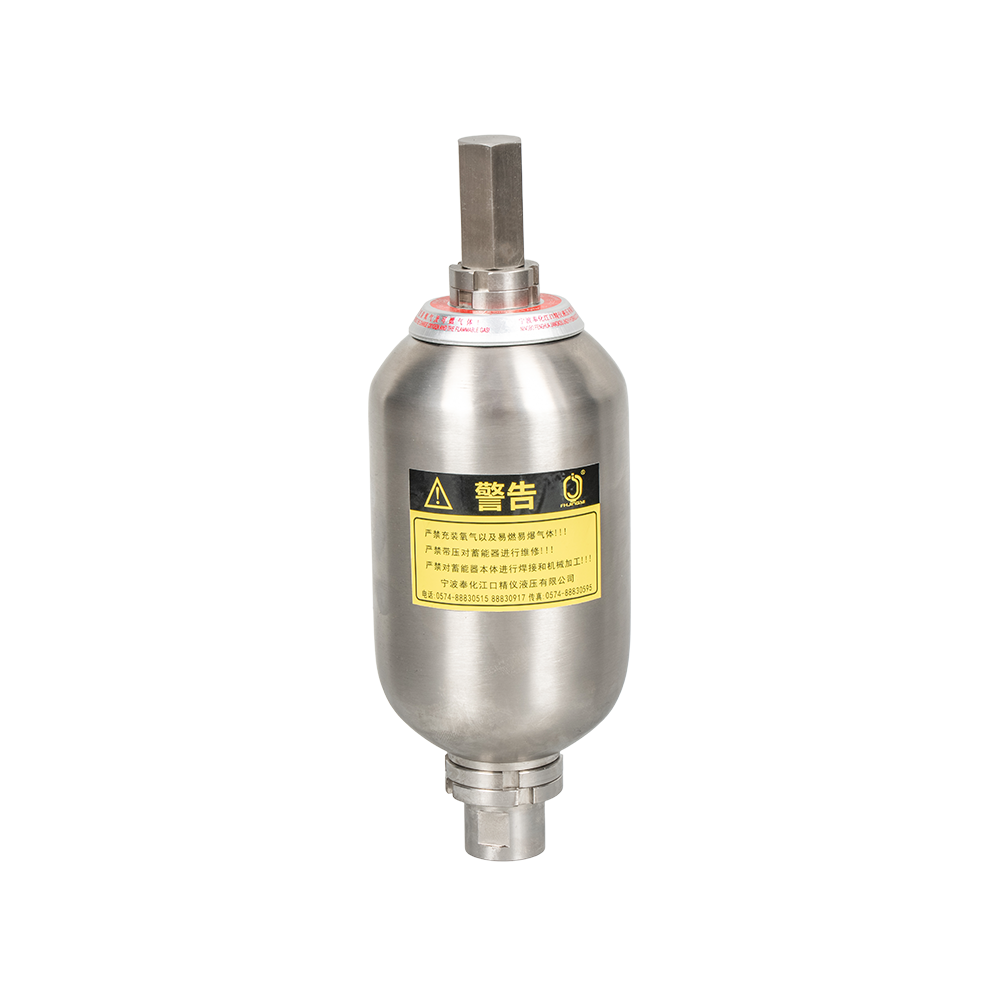
A stainless steel bladder accumulator is an energy storage device used in hydraulic systems. It utilizes the compressibility of a gas (usually nitrogen) to store and release energy, primarily for stab...
See Details -
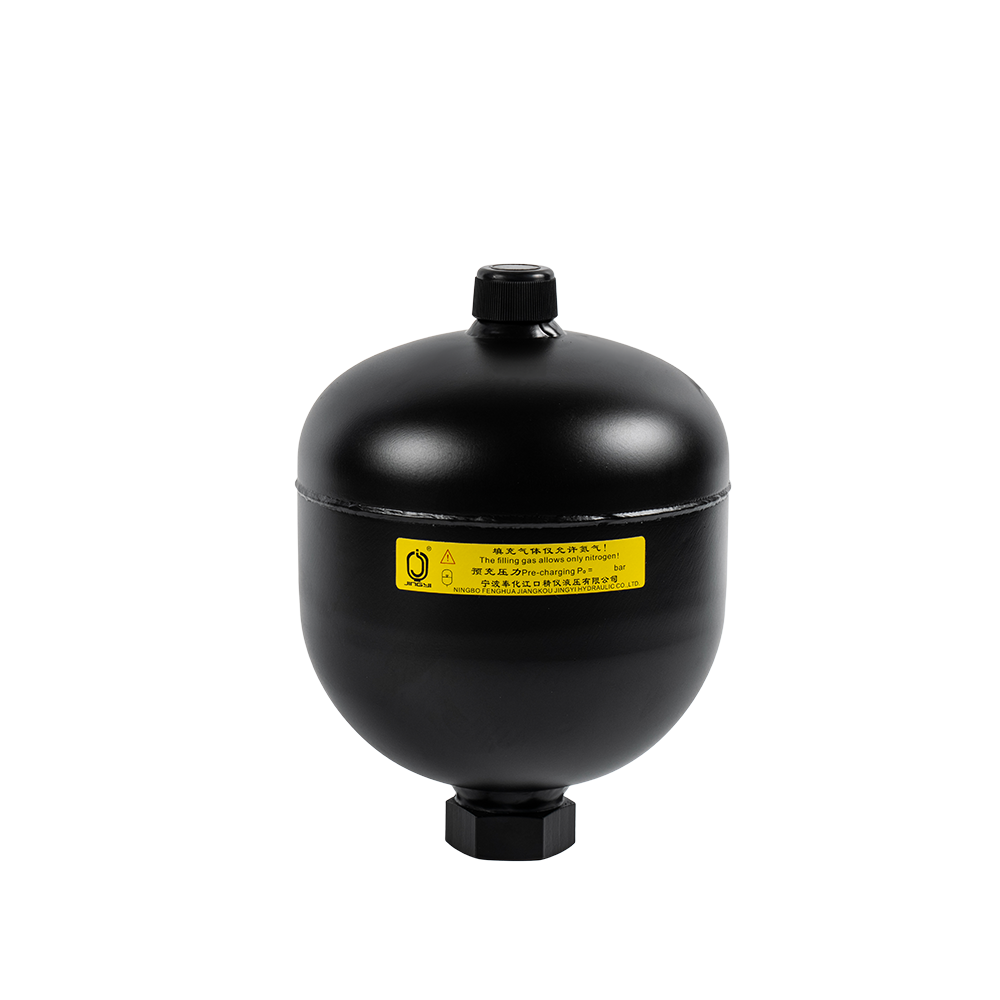
A diaphragm accumulator is a mechanical device that stores and releases energy using Boyle's Law (the compressibility of gases). Its core structure is a diaphragm made of a flexible material (usually ...
See Details
News
-
Quick Answer An Accumulator Nitrogen Charging Kit is a portable set of tools — hose, control valve, gauge, and adapter — used to fill a hydraulic accumulator with dry nitrogen gas and to verify that the pre-cha...
READ MORE -
A hydraulic accumulator is a pressure vessel that stores hydraulic energy by compressing nitrogen gas against incompressible hydraulic fluid, then releases that stored energy back into the circuit whenever th...
READ MORE -
A hydraulic bladder accumulator is a pressure vessel that stores hydraulic energy by using a flexible rubber bladder to separate pressurized nitrogen gas from hydraulic fluid. As an industrial hydraulic accumu...
READ MORE -
A piston accumulator is a hydraulic energy storage vessel that uses a free-moving piston to separate compressed nitrogen gas from hydraulic fluid inside a steel cylinder. When system pressure rises, oil pushe...
READ MORE -
During a typical injection molding cycle, the hydraulic system demands a sudden surge of oil to drive the injection screw forward at high speed. If the pump alone supplies this flow, it must be oversized, wast...
READ MORE -
When a 180-ton mobile crane lowers a fully loaded boom, the inertia can push hydraulic pressure above 400 bar in the luffing cylinder in less than a second. Without a device to absorb that peak, seals fail ear...
READ MORE
contact us

-

-

Mobile: +86-574-88830515
-

Telephone: +86-15968431761
-

No. 12 Xujiabu, Xikou Town, Fenghua District, Ningbo City, Zhejiang Province, P.R.China