What an Accumulator Charging Kit Is Used For
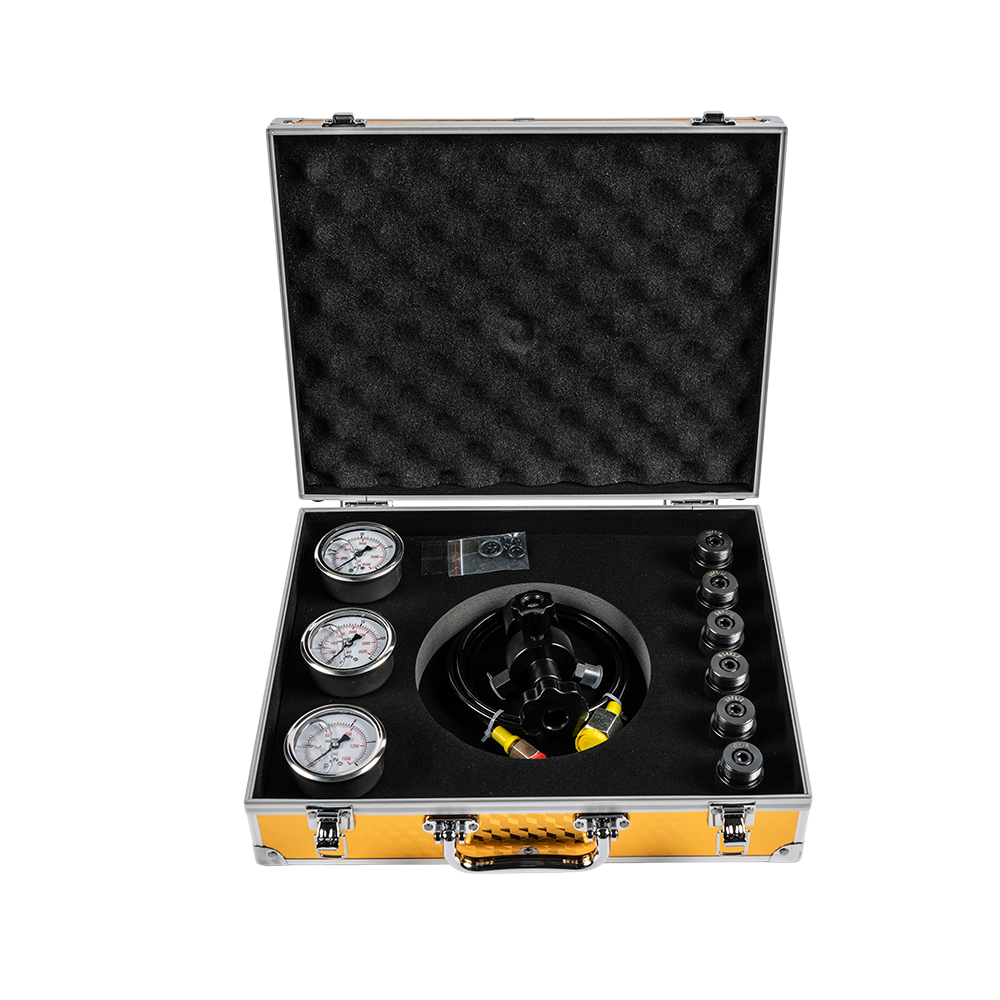
An Accumulator Charging Kit is a portable tool set used to pre-charge hydraulic accumulators with nitrogen gas and to check that the pre-charge pressure stays within the correct range over time. Functioning as a complete Nitrogen Charging Device, it connects a nitrogen cylinder to the accumulator's gas valve, allowing technicians to fill, adjust, or release gas pressure safely without removing the accumulator from the system. Maintenance teams rely on this kind of Nitrogen Charging Kit because incorrect pre-charge pressure is one of the leading causes of accumulator underperformance and premature seal wear.
As a dedicated Gas Filling Tool, the kit is typically used during initial commissioning, scheduled maintenance, and after any accumulator repair or bladder replacement.
How the Charging Process Works
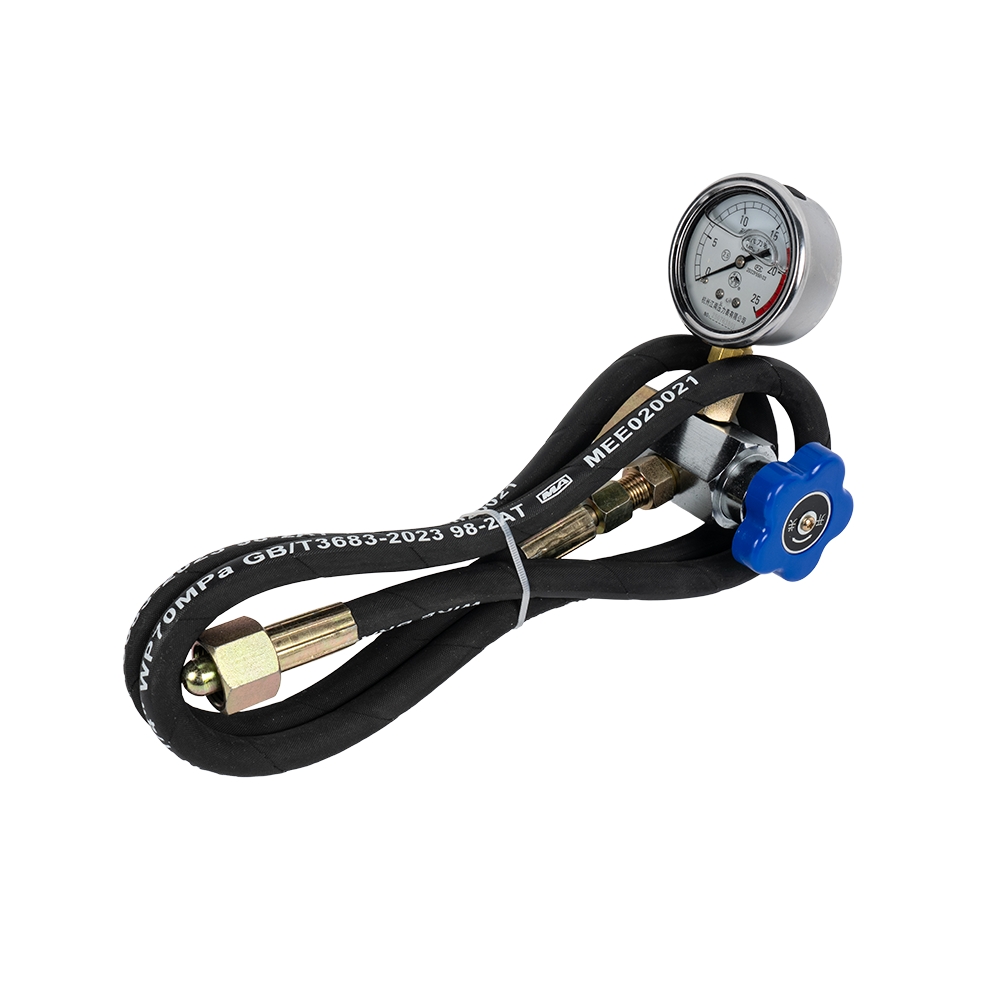
A typical Accumulator Charging Kit includes a charging hose, a pressure gauge, a control valve, and an adapter that fits the accumulator's gas valve stem. The kit connects between the nitrogen cylinder and the accumulator, letting the technician control gas flow precisely while monitoring pressure in real time.
Standard Charging Steps
- Connect the charging hose to the accumulator's gas valve and tighten securely
- Open the control valve slowly and monitor the gauge while nitrogen enters the accumulator
- Stop charging once the target pre-charge pressure is reached, then close the valve
- Disconnect the hose and check for leaks at the valve connection
Why Correct Pre-Charge Pressure Matters
Using nitrogen rather than compressed air is essential because nitrogen is inert and non-flammable, which prevents the risk of internal combustion under high pressure and temperature. Most industrial accumulators require a pre-charge pressure equal to roughly 90% of the minimum system working pressure; deviating from this range by even 10-15% can shorten bladder or diaphragm life significantly and reduce the accumulator's effective storage volume.
Common pre-charge issues and their typical effects
| Condition |
Effect on System |
| Pre-charge too low |
Bladder may contact valve, causing early wear |
| Pre-charge too high |
Reduced usable fluid volume and slower response |
| Pre-charge correct |
Stable pressure compensation and extended service life |
Choosing a Dependable Charging Kit Supplier
Because the charging process involves high-pressure gas, the gauge accuracy, hose pressure rating, and valve sealing quality of a Nitrogen Charging Kit directly affect operator safety. A kit with a poorly calibrated gauge can lead to overcharging, while a worn hose connector increases the risk of sudden gas release.
Ningbo Fenghua Jiangkou Jingyi Hydraulic Co., Ltd., founded in 2012 and located in Xikou Town, Fenghua District, Ningbo City, Zhejiang Province, is a national high-tech enterprise specializing in hydraulic and pneumatic components, with core products covering various accumulators, hydraulic parts, and pneumatic components, including charging and maintenance accessories. The company holds the Special Equipment Manufacturing License (Grade A2 for Pressure Vessels) issued by the Zhejiang Administration for Market Regulation and has obtained EU CE certification, with production strictly following national quality assurance standards from raw materials through to finished products.
What to Check Before Buying a Charging Kit
- Gauge accuracy and pressure range matching your accumulator series
- Hose pressure rating with adequate safety margin
- Valve adapter compatibility with your accumulator's gas valve type
- Sturdy carrying case for field maintenance use
Frequently Asked Questions
Q1: Why must nitrogen be used instead of compressed air in a Gas Filling Tool?
Nitrogen is inert and will not support combustion, while compressed air contains oxygen that can ignite under the high pressure and heat generated inside an accumulator.
Q2: How often should pre-charge pressure be rechecked?
Most maintenance schedules recommend checking every 3 to 6 months, since minor gas permeation through seals occurs naturally over time.
Q3: Can the same Accumulator Charging Kit be used on different accumulator brands?
In most cases yes, as long as the kit's adapter matches the valve stem design and the gauge range covers the required pressure, though some valve types may need a different adapter.
Q4: What safety precaution is most important when using a Nitrogen Charging Device?
Always charge gradually and never exceed the accumulator's rated pre-charge pressure, since overcharging can damage the bladder or diaphragm and create a serious safety hazard.

 Español
 中文简体
中文简体