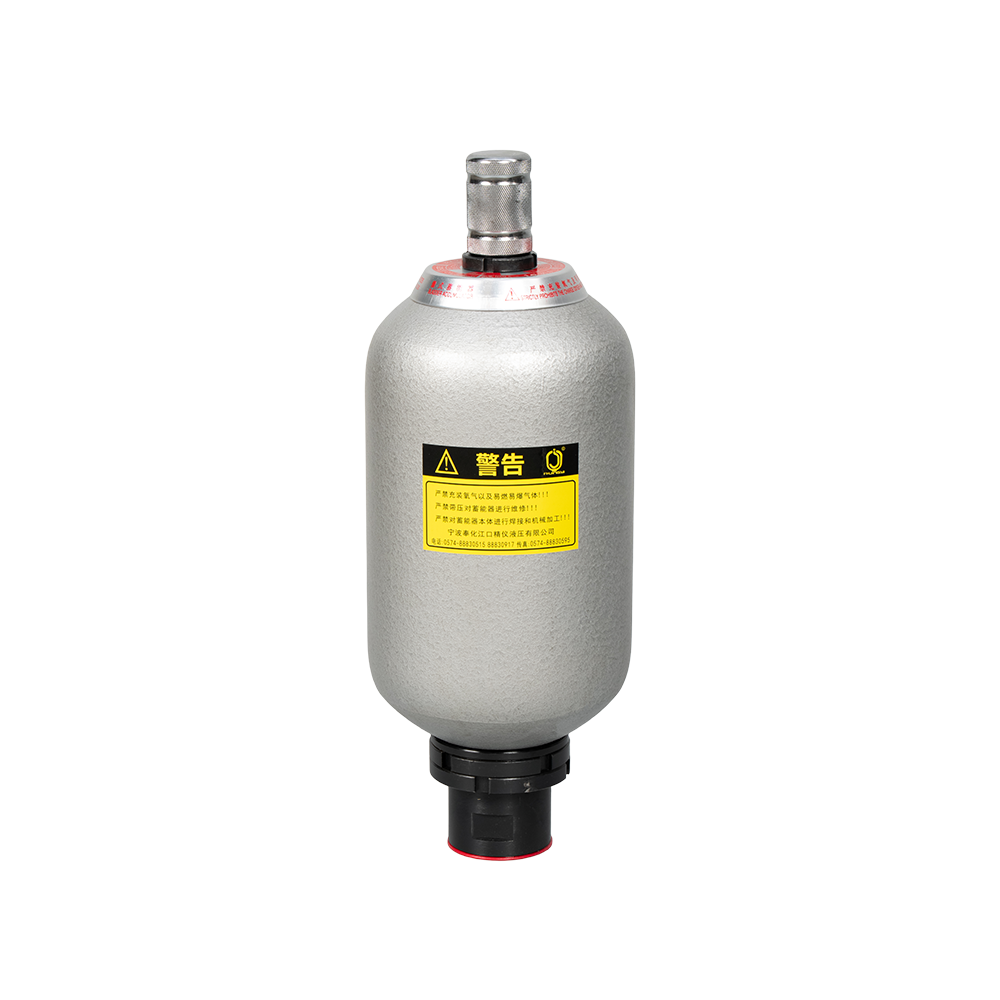
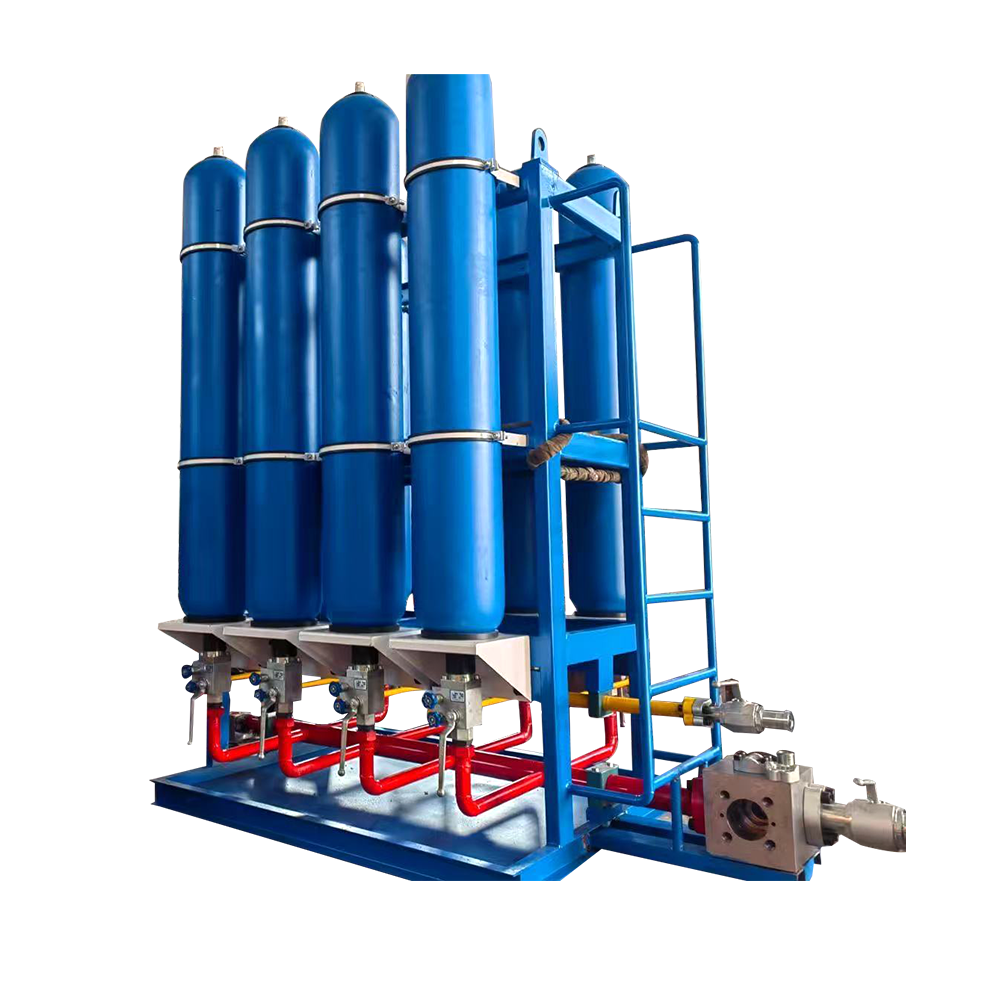
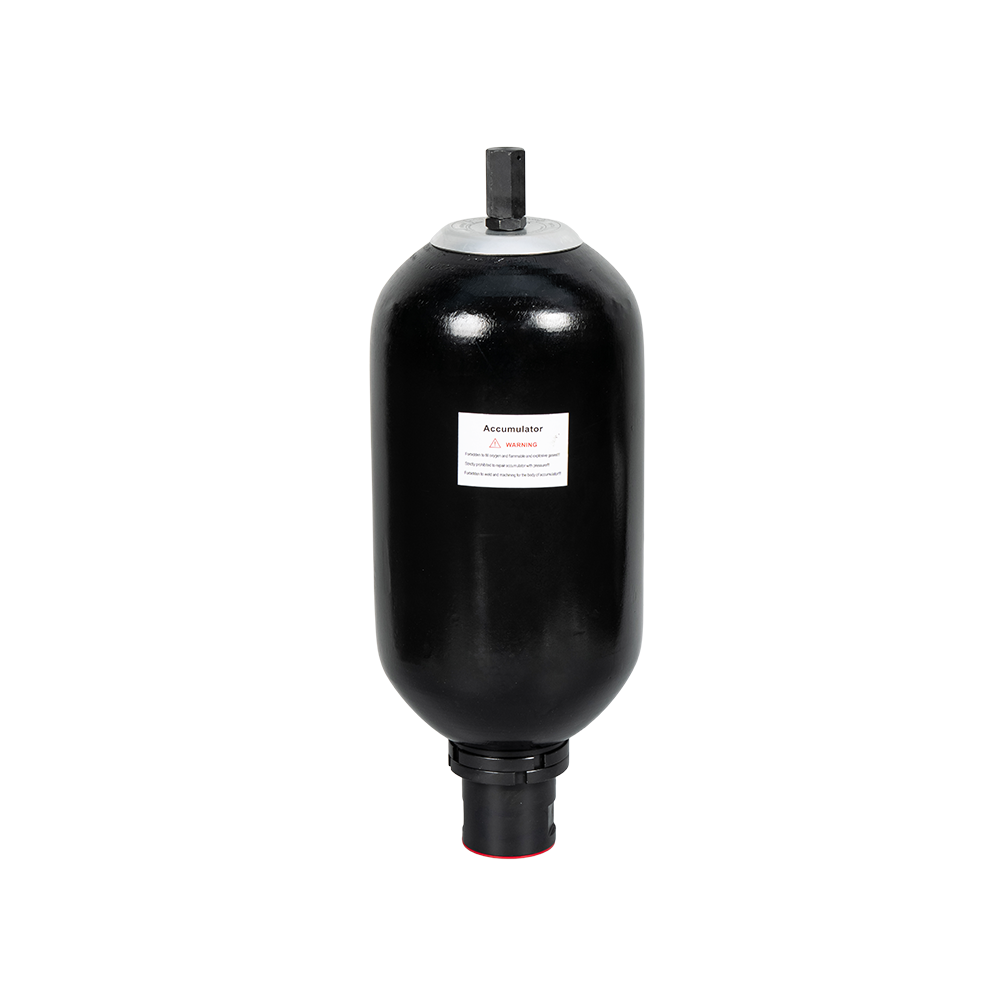
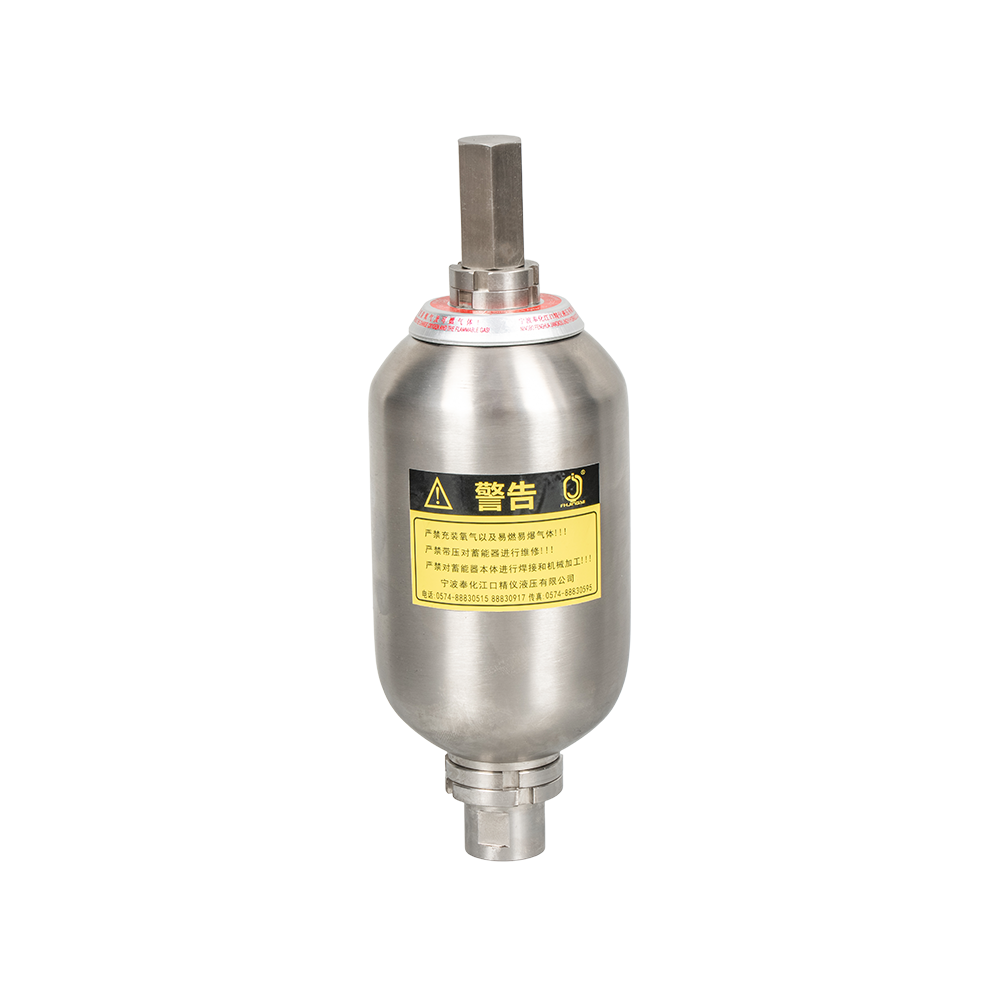
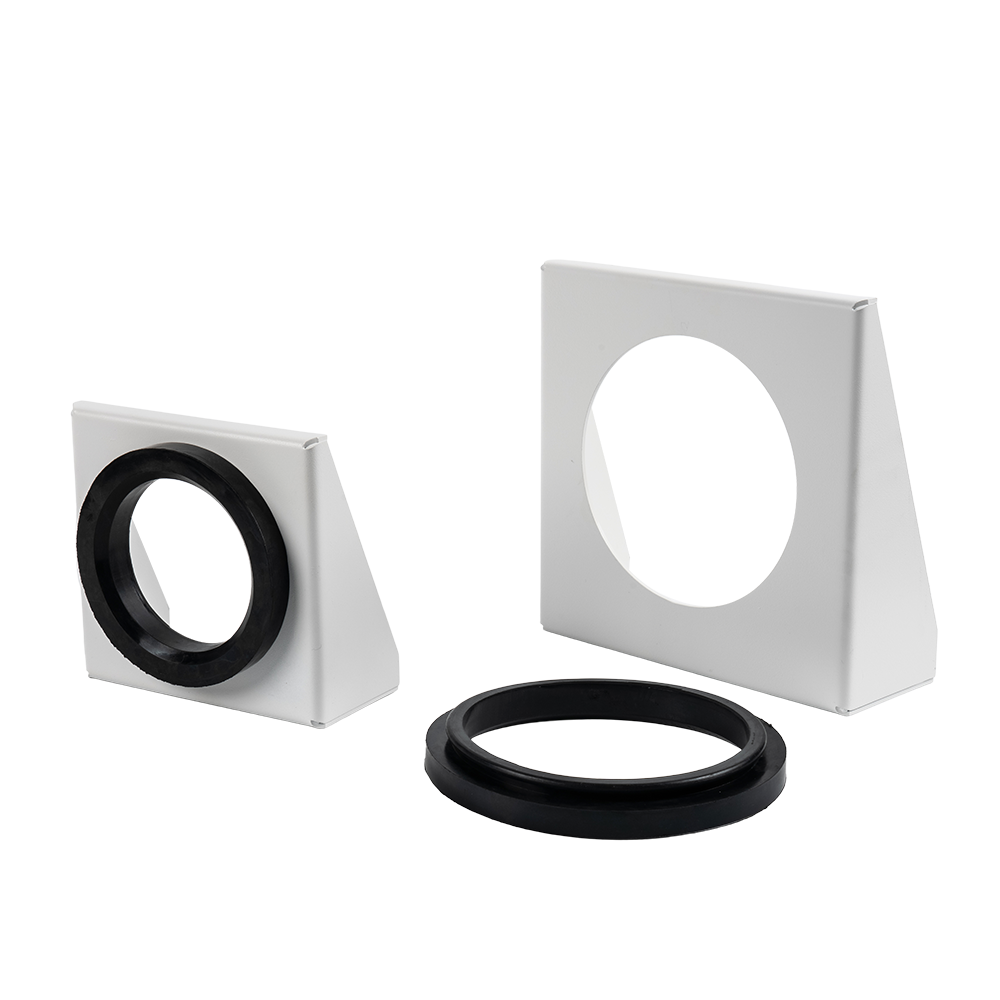
The NXQ Series Accumulator Bladder is a critical energy storage element in hydraulic systems, primarily responsible for absorbing energy fluctuations and releasing energy to smooth system operation.
See Details

The NXQ Series Bladder Accumulator is a bladder-type accumulator conforming to national standards (JB/T 7036-93) or HG2331. Its core component is the "bladder" or "capsule," hence the name. This series is manufactured by several hydraulic component manufacturers and is widely used in scenarios such as leakage compensation, pressure balancing, shock absorption, and pulse absorption.

Core Structure and Working Principle
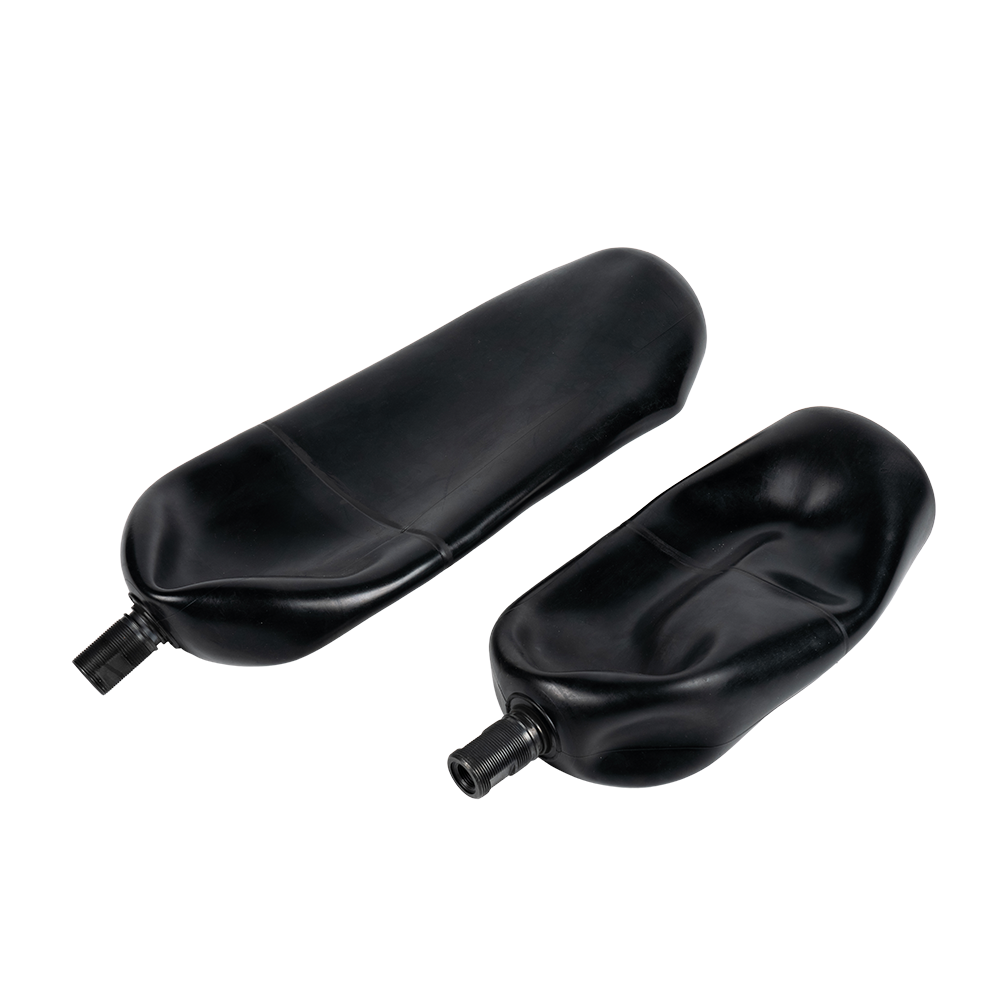
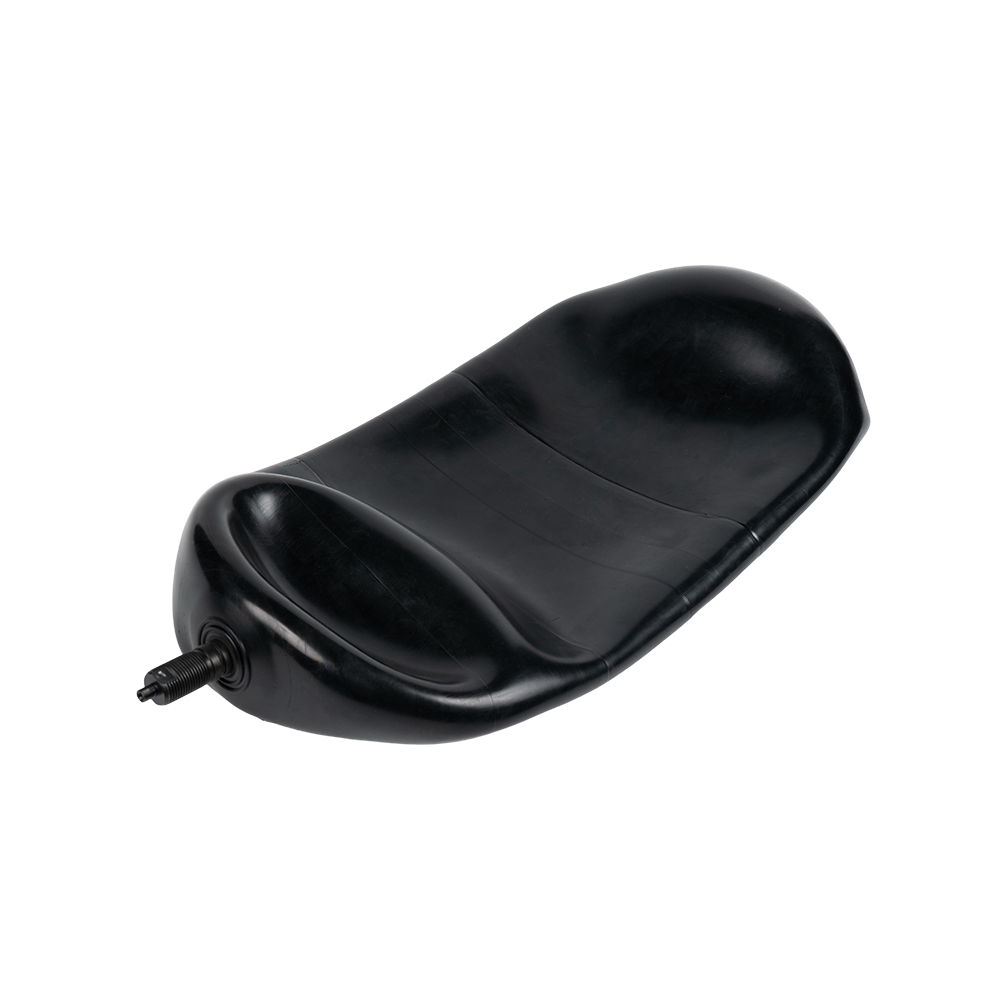
1. Bladder (Capsule): Located inside the shell, it is a key component. It is filled with gas (usually nitrogen) and externally with hydraulic oil. During operation, the bladder is isolated from the external hydraulic oil, storing energy through the compressibility of the gas.
2. Inflation Check Valve: Connects the bladder to the external system. The inflation port contains a check valve and spring to ensure that gas can only be injected into the bladder from the outside, preventing leakage.
3. Shell: Typically made of alloy steel such as 34CrMo4, providing high strength and pressure resistance.
Main Functions and Advantages
Energy Storage: Stores energy when the hydraulic pump has a sufficient oil supply and releases it quickly when needed.
Leakage Compensation: Compensates for oil leakage caused by seal wear.
Pressure Balancing: Maintains the system's minimum operating pressure and prevents oil backflow.
Shock Absorption: Absorbs hydraulic shocks and pulsations, reduces noise and mechanical shock, and protects system components.
Energy Saving and Emission Reduction: Reduces hydraulic pump energy consumption and improves system efficiency through energy recovery and release via the accumulator.
During a typical injection molding cycle, the hydraulic system demands a sudden surge of oil to drive the injection screw forward at high speed. If the pump alone supplies this flow, it must be oversized, wast...
READ MOREWhen a 180-ton mobile crane lowers a fully loaded boom, the inertia can push hydraulic pressure above 400 bar in the luffing cylinder in less than a second. Without a device to absorb that peak, seals fail ear...
READ MOREThe maintenance log on a small clamping circuit shows the same pattern twice a year: a bladder accumulator loses its nitrogen pre-charge, the pump cycles every few seconds, and the standard bladder kit no long...
READ MOREA harvester header that sags a few centimetres every time pump load spikes, or a reel that surges as the engine drops to idle, points to the same root cause: pressure fluctuation that nothing in the circuit is...
READ MORE