Español
 中文简体
中文简体
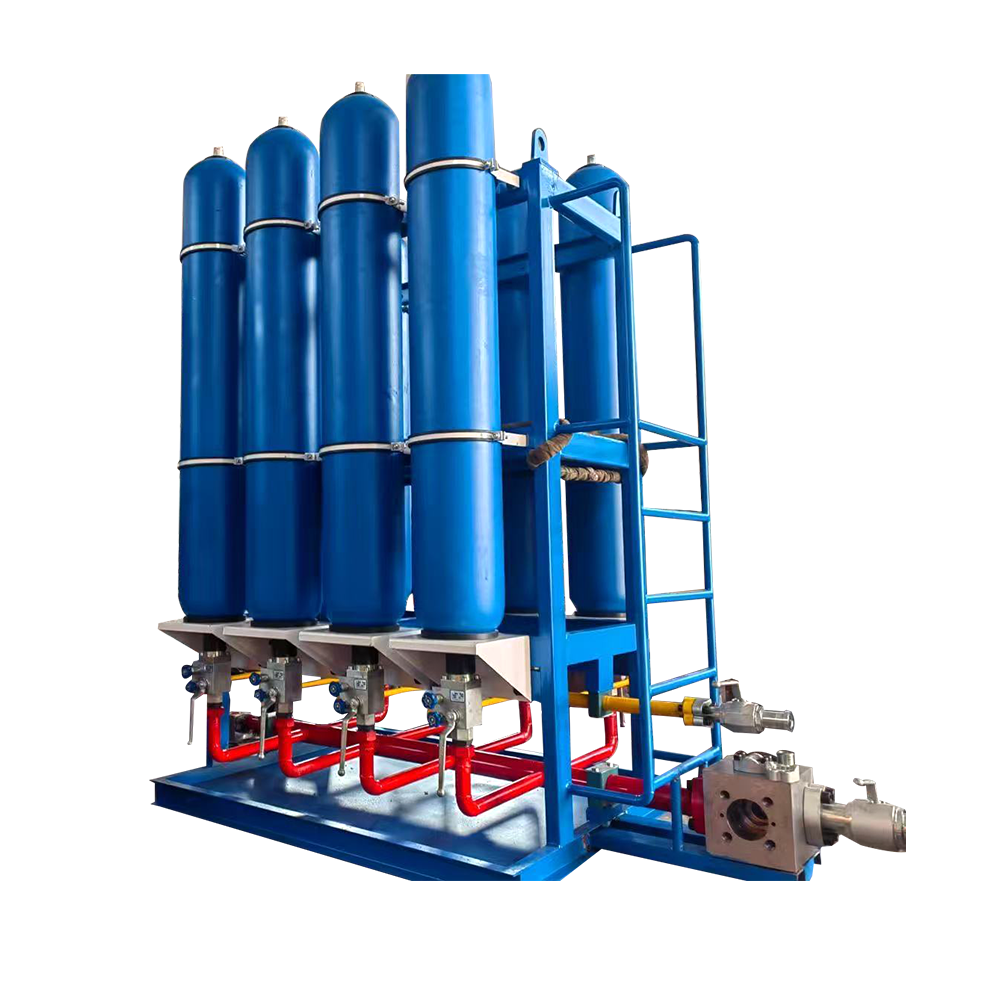
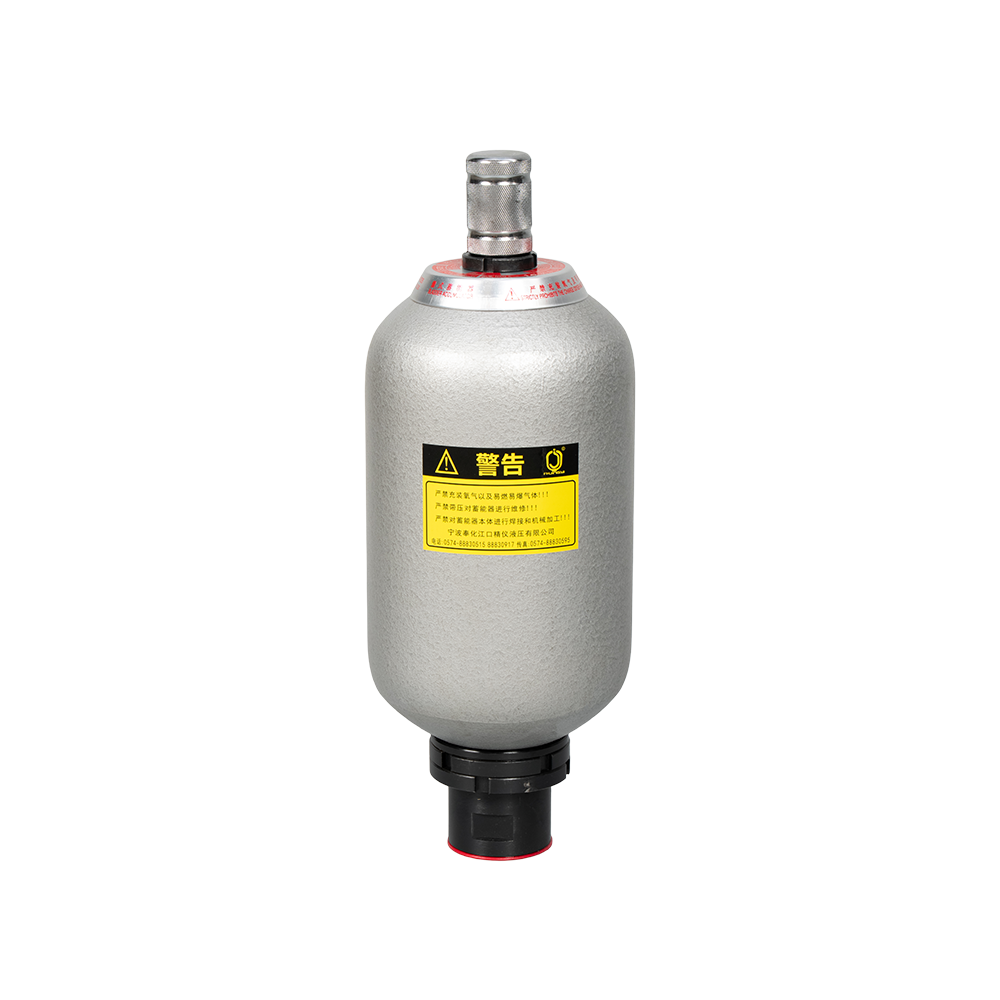
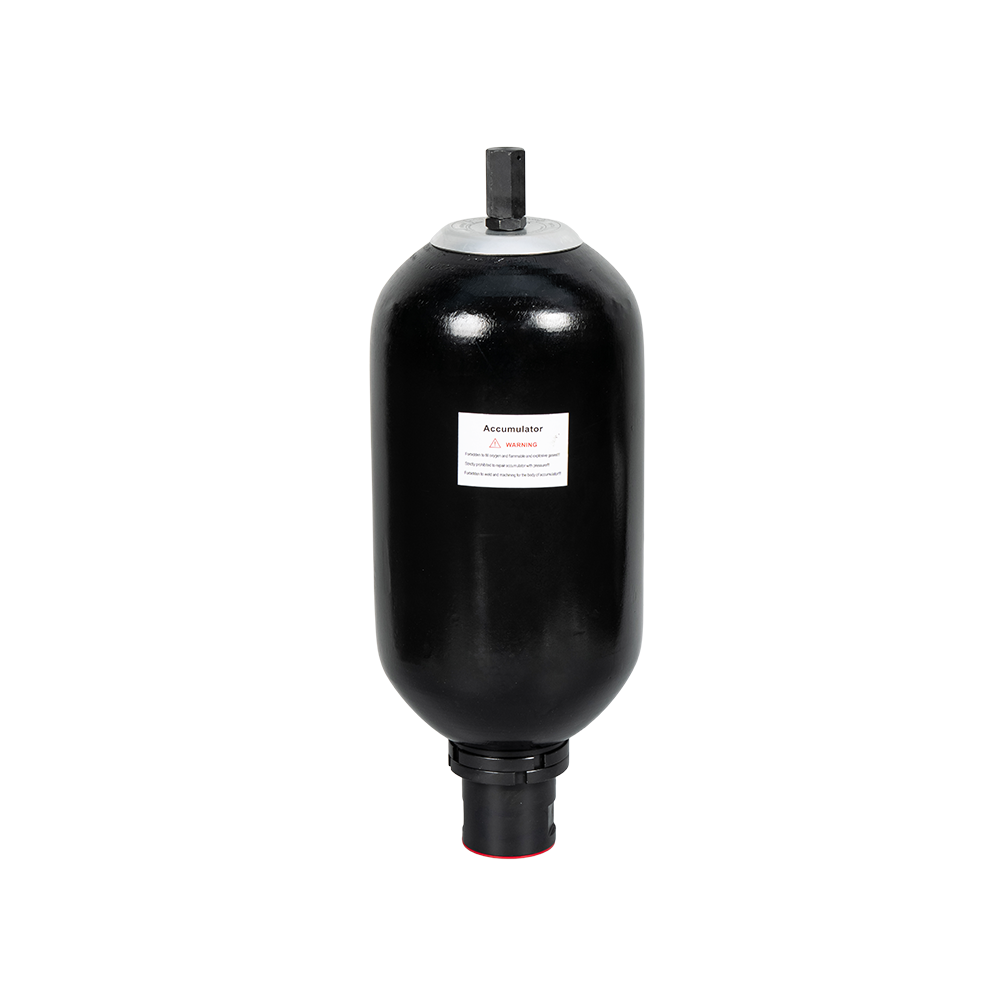
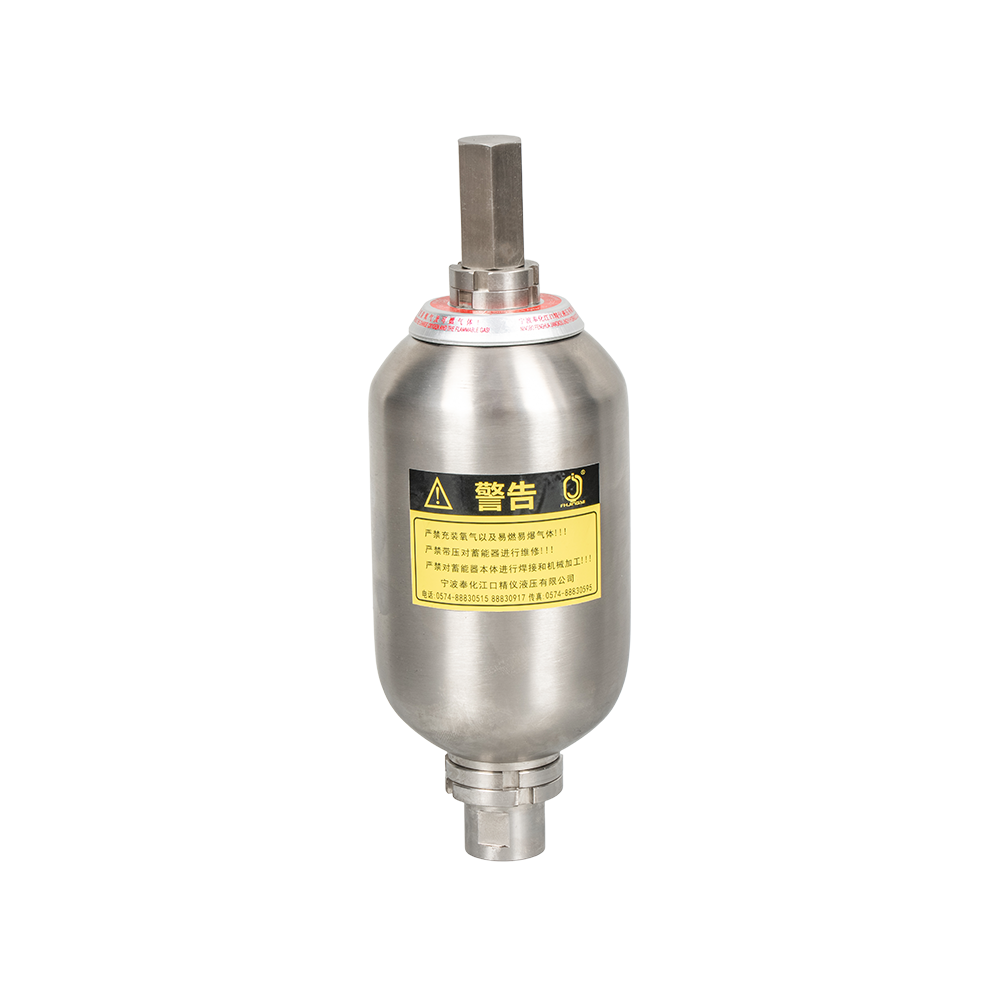
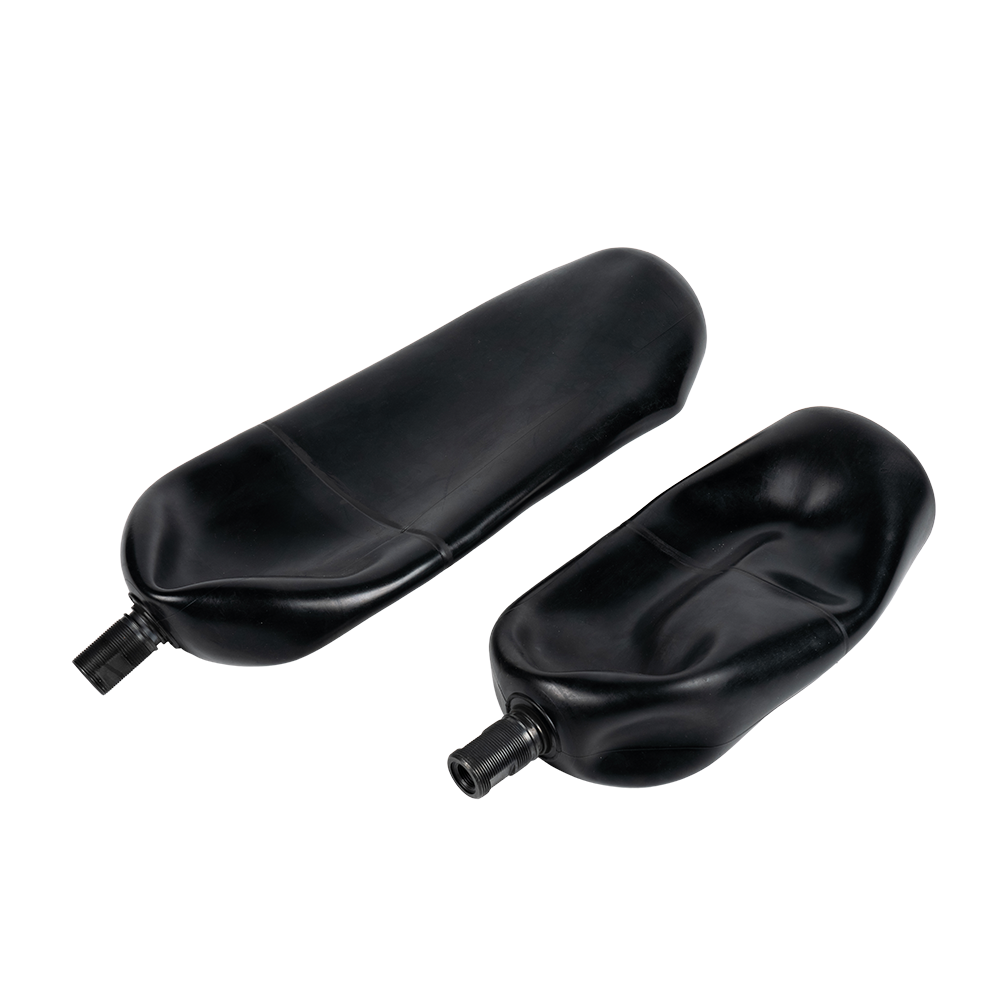
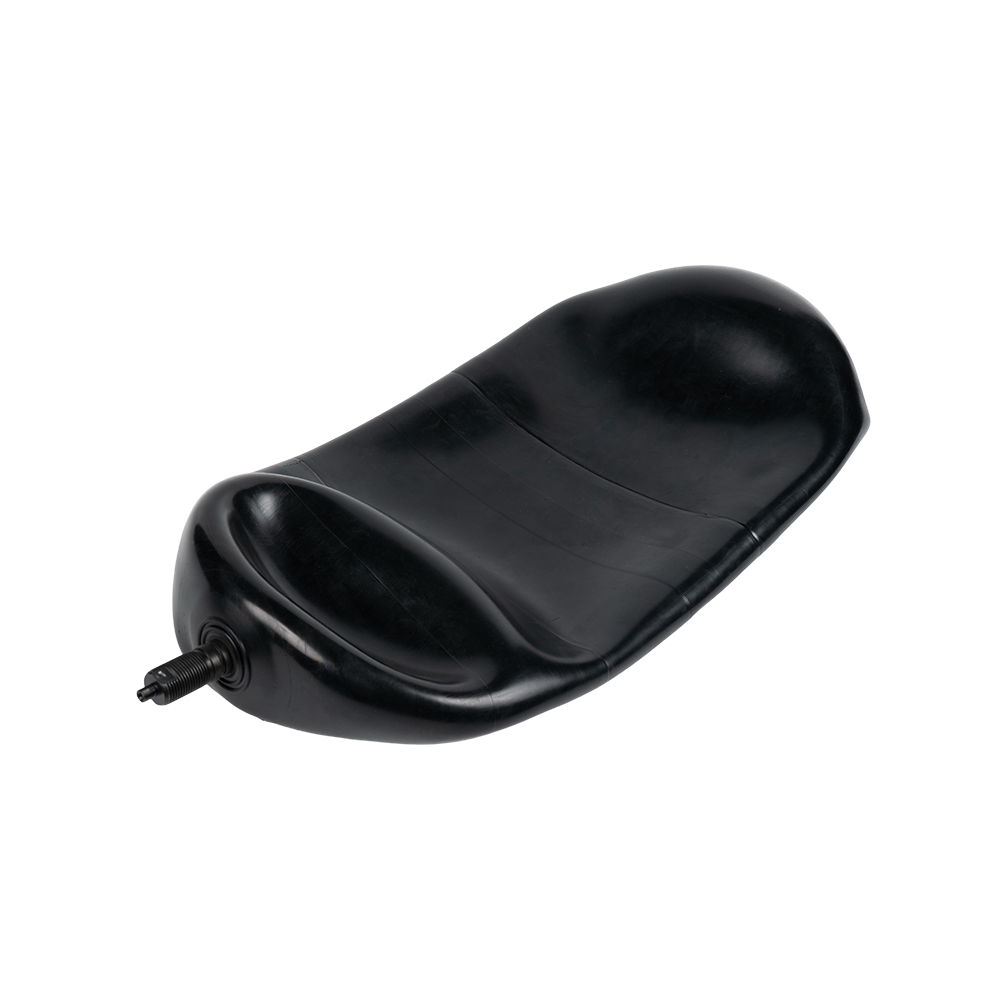
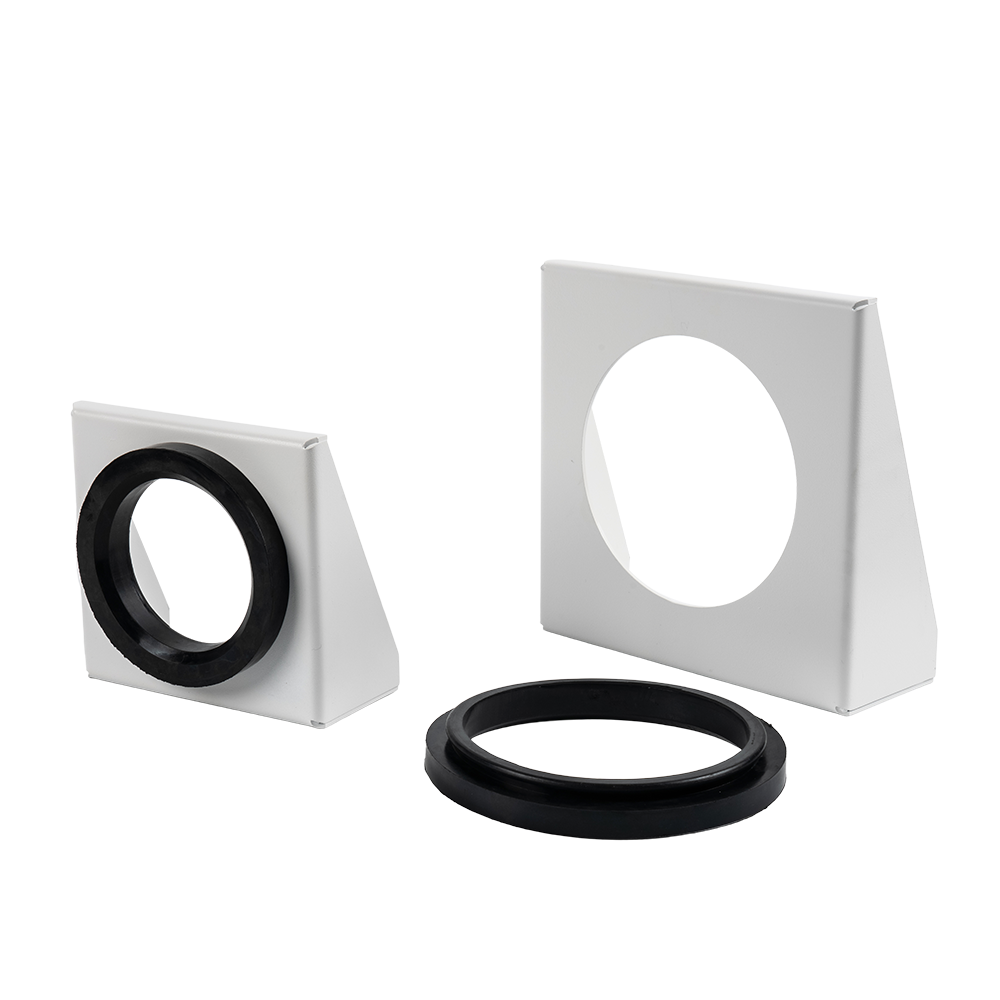
Ningbo Fenghua Jiangkou Jingyi Hydraulic Co., Ltd. is located in Xikou Town, Fenghua District, Ningbo City, Zhejiang Province. We are a national high-tech enterprise specializing in the manufacturing of hydraulic and pneumatic components. Our core products include various types of accumulators, hydraulic parts, and pneumatic components.
Founded in 2012, the company covers a workshop area of more than 5,000 square meters and has a professional team. Jingyi Hydraulic is a China OEM & ODM Bladder Accumulator Station Manufacturer and Bladder Accumulator Station Factory, we hold the Special Equipment Manufacturing License (Grade A2 for Pressure Vessels) issued by the Zhejiang Administration for Market Regulation and have obtained the EU CE certification, possessing professional manufacturing qualifications for high-pressure accumulators and access to the international market. The production system strictly complies with national quality assurance system standards to ensure reliable control of every process from raw materials to finished products.
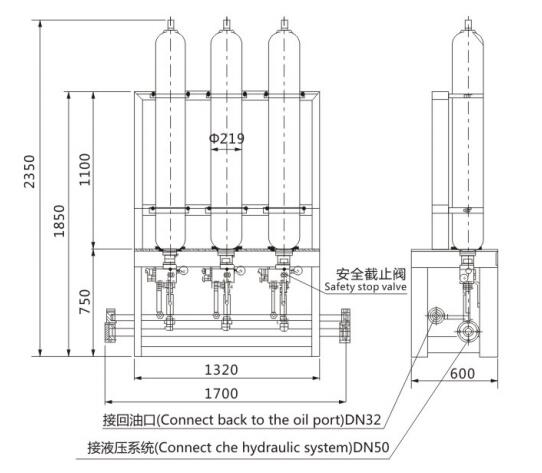
Overall Dimension
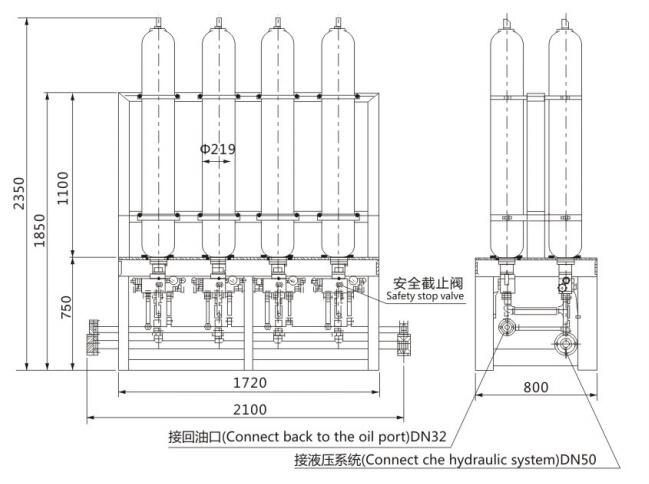
| Bladder Accumulator Station-example 1 Specifications: 3 bladder accumulators, each 40L, with a safety stop valve |
Bladder Accumulator Station-example 2 Specifications: 8 bladder accumulators, each 40L, with a safety stop valve |
 |
 |
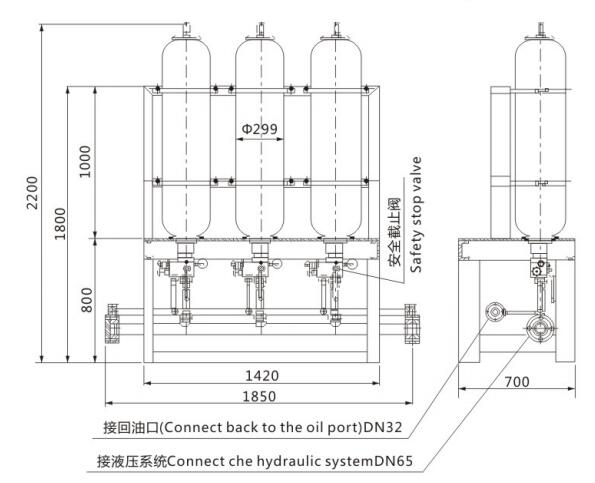
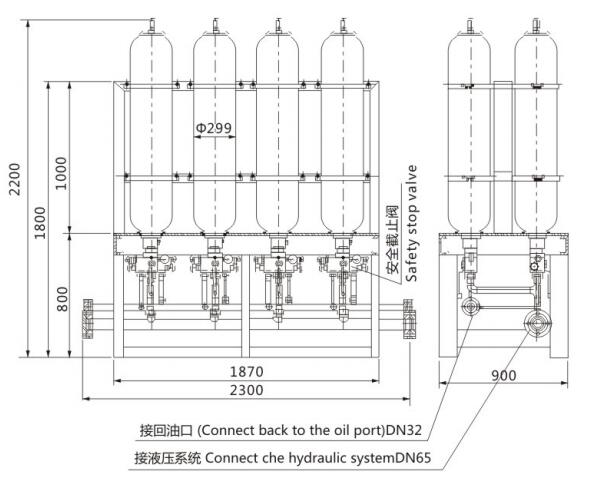
| Bladder Accumulator Station-example 3 Specifications: 3 bladder accumulators, each 63L, with a safety stop valve |
Bladder Accumulator Station-example 4 Specifications: 8 bladder accumulators, each 63L, with a safety stop valve |
 |
 |