
 Español
 中文简体
中文简体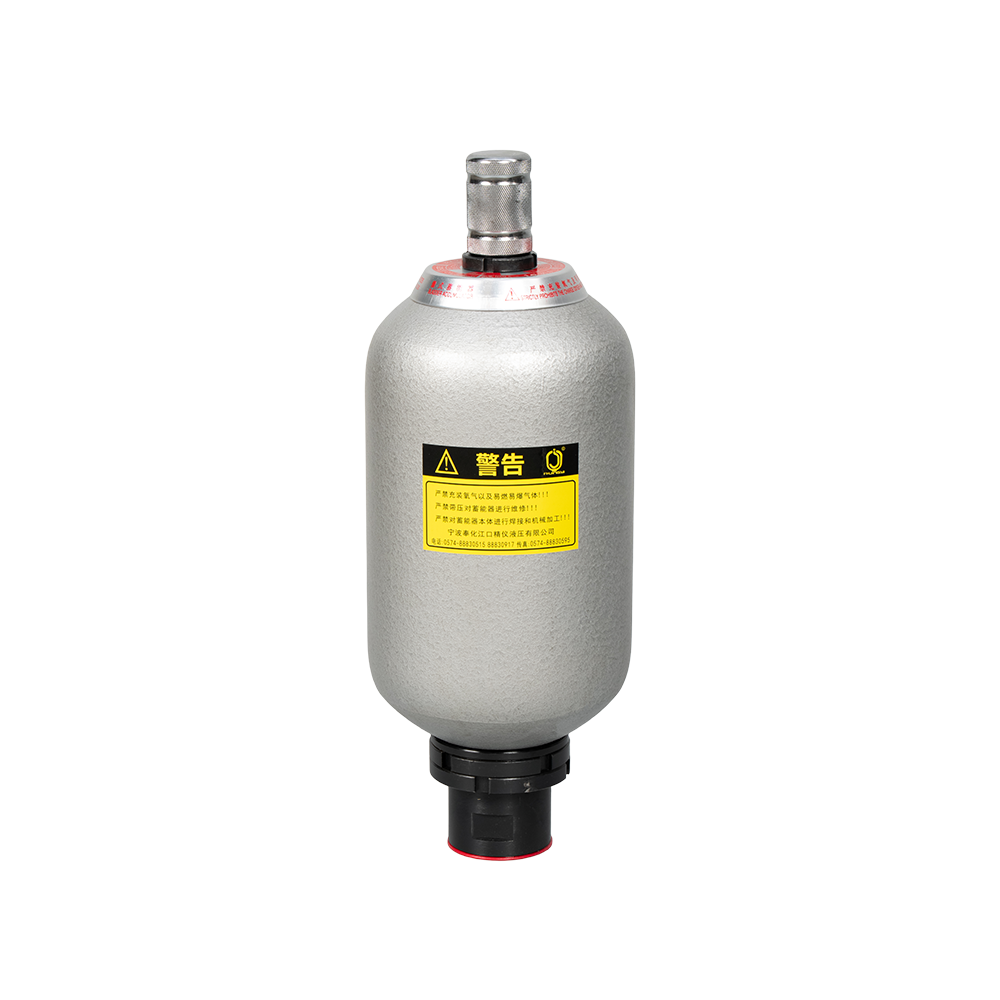
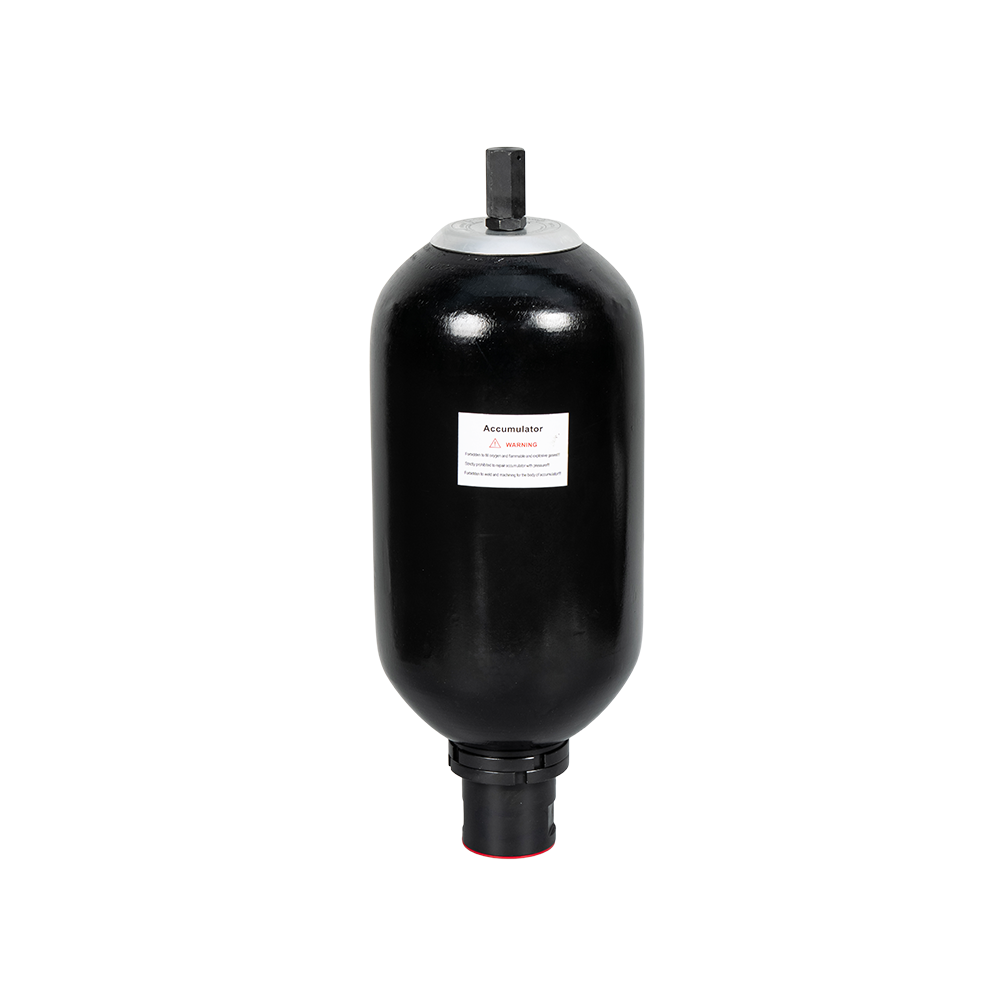
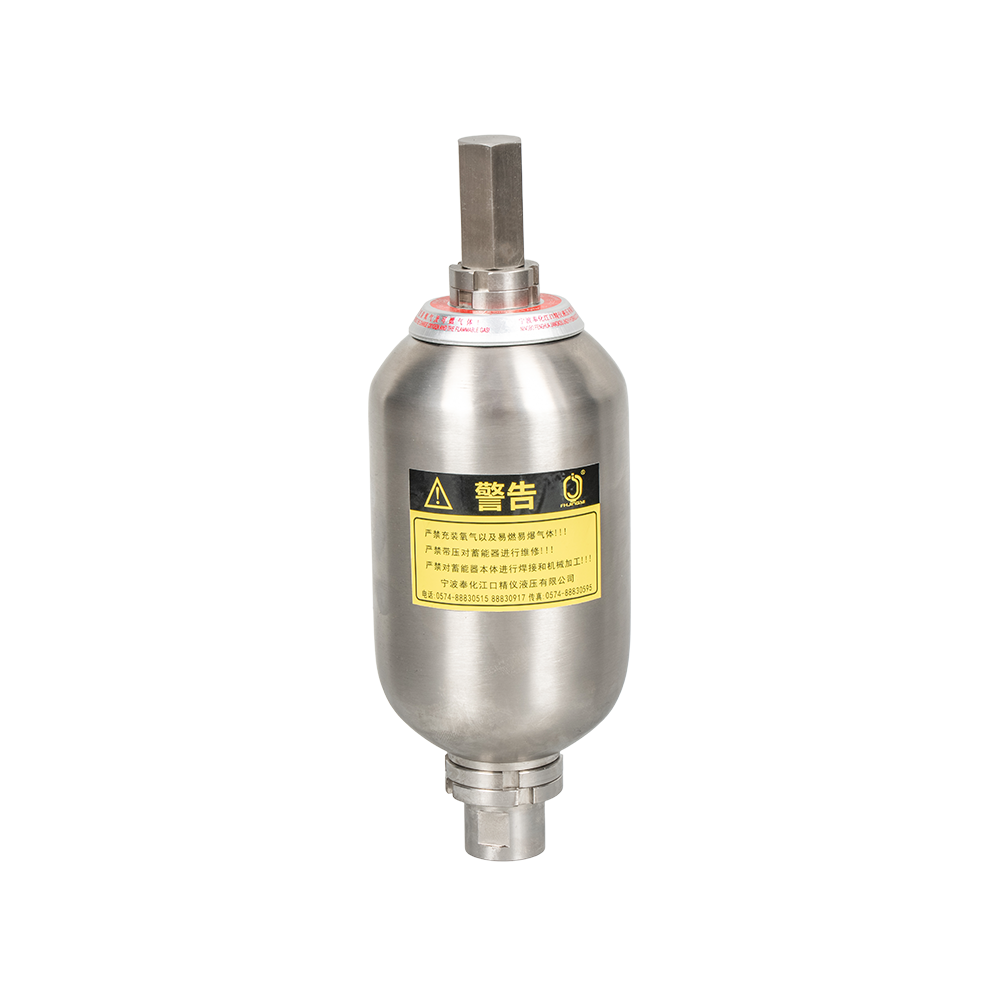
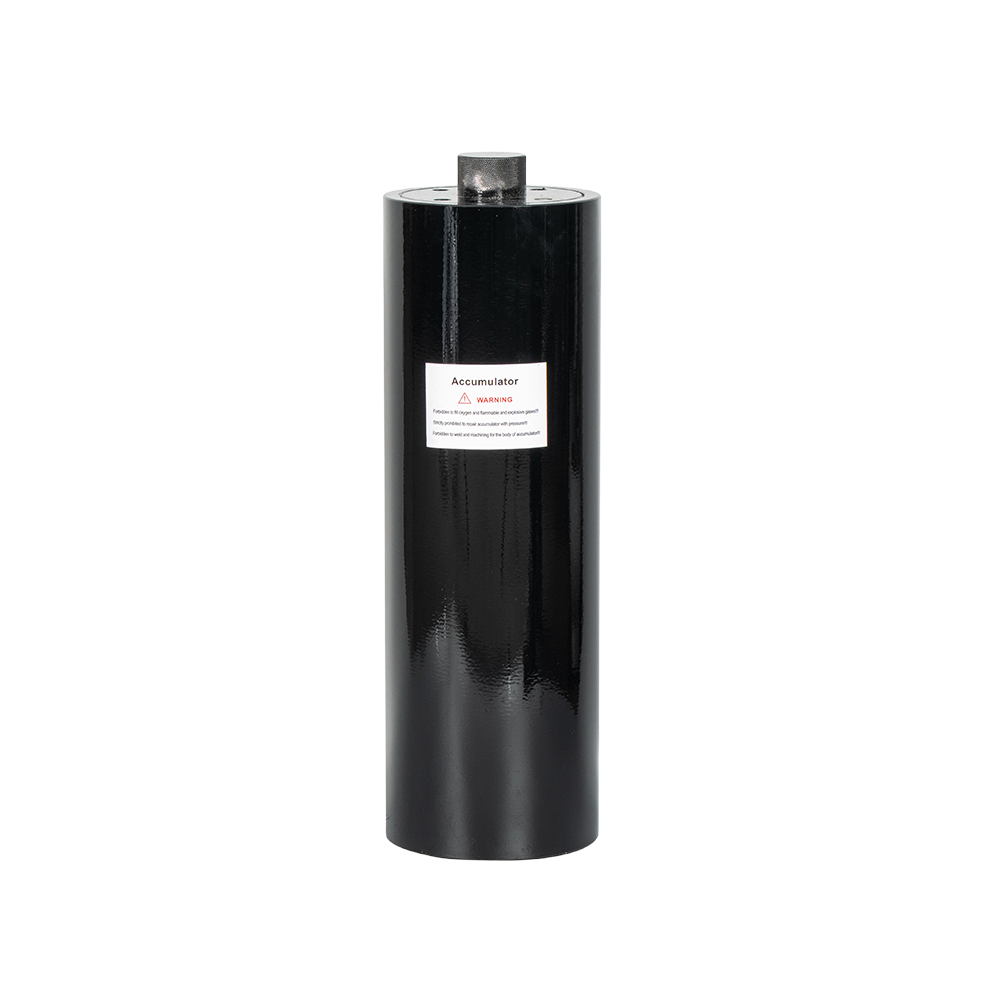
A Piston Accumulator is a mechanical device that uses the compressibility of a gas (usually nitrogen) to store hydraulic energy. It is widely used in hydraulic systems as an energy regulator. It isola...
See Details
What is a bladder accumulator station?
Admin 2026-07-31Content
- 1 How a Bladder Accumulator Station Works
- 2 Core Components Inside the Station
- 3 Typical Station Configurations and Dimensions
- 4 Where Bladder Accumulator Stations Are Used
- 5 Selecting the Right Station Configuration
- 6 Maintenance and Nitrogen Charging
- 7 Why Buy a Pre-Assembled Station
- 8 Sourcing From a Qualified Manufacturer
A bladder accumulator station is a pre-engineered hydraulic energy storage skid that groups several bladder accumulators onto one mounting frame together with a control valve group, ball valves, safety stop valve, and inlet/outlet piping. Instead of buying separate accumulators and building the piping yourself, the station arrives as a single ready-to-install unit that stores hydraulic energy, absorbs pressure spikes, and supplies emergency oil flow when the main pump stops.
How a Bladder Accumulator Station Works
The station works on a simple gas-liquid compression principle. Nitrogen gas is pre-charged inside each bladder, and hydraulic oil is pumped into the shell around it.
1
Charging Process
Hydraulic oil is forced into the accumulator body, compressing the bladder and reducing the gas volume. Oil is effectively "stored" under pressure inside the station.
2
Discharging Process
When the circuit needs extra flow or a pressure top-up, the compressed nitrogen expands and pushes the stored oil back into the system, releasing energy on demand.
Core Components Inside the Station
An Accumulator Group Supplier typically builds a bladder accumulator station from five functional blocks. Each part has a defined job, and skipping any one of them reduces safety or serviceability.
| Component | Function |
| Bladder accumulator body | Core energy storage unit; several accumulators are connected in parallel to reach the required total volume |
| Mounting bracket and frame | Fixes every accumulator bladder in place for safe, vibration-resistant installation on site |
| Control valve group and ball valves | Opens and closes the oil circuit and regulates the working pressure of the group |
| Inlet and outlet oil lines | Connect the station to the main hydraulic circuit for oil input and output |
| Safety valve and shut-off valve | Provides overpressure protection and lets the group be isolated for maintenance |
Typical Station Configurations and Dimensions
Because every hydraulic press, injection molding line, or steel mill circuit needs a different reserve volume, stations are built to order around the bladder count and the size of each accumulator bladder. The table below lists four configurations commonly requested from a Bladder Accumulator Station Manufacturer.
| Configuration | Bladder Count | Unit Volume | Safety Stop Valve |
| Example 1 | 3 accumulators | 40 L each | Included |
| Example 2 | 8 accumulators | 40 L each | Included |
| Example 3 | 3 accumulators | 63 L each | Included |
| Example 4 | 8 accumulators | 63 L each | Included |
These four layouts are reference examples only. An Accumulator Manufacturer can rearrange the bracket length, bladder count, and pipe diameter to fit the footprint and reserve capacity that your equipment actually needs.
Related Accumulator Products
Beyond the pre-assembled station, the same Hydraulic Accumulator Supplier offers individual accumulators, bladders, and mounting parts so a station can be repaired, expanded, or matched to a specific pressure code.
Where Bladder Accumulator Stations Are Used
A grouped station is chosen over a single large accumulator whenever a circuit needs a large reserve volume but limited installation height. Common applications include:
- Hydraulic press lines that need a burst of extra flow during the pressing stroke
- Injection molding machines requiring fast mold clamping without oversizing the pump
- Steel mill and rolling equipment where pressure ripple must be smoothed continuously
- Marine and offshore hydraulic systems needing emergency backup power for critical actuators
- Mobile and construction machinery circuits with tight installation envelopes
Selecting the Right Station Configuration
Ordering a station is not the same as buying a stock item, because the working pressure, oil type, and available space change from one project to the next. Before contacting an Industrial Hydraulic Accumulator supplier, gather the following:
| Item | Why It Matters |
| Volume per accumulator | Sets how much oil each bladder can release in one discharge cycle |
| Number of accumulators | Determines the total reserve capacity and the length of the mounting frame |
| Working pressure | Decides the wall thickness and certification standard of each pressure vessel accumulator |
| Certification needed | CE Certified Accumulator or PED Type Bladder Accumulator status is required for EU-bound machinery |
| Material of construction | Carbon steel suits most oil circuits; a Stainless Steel Bladder Accumulator is preferred for corrosive or food-grade fluids |
Maintenance and Nitrogen Charging
Every bladder loses a small amount of nitrogen pressure over time, so routine checks keep the whole group performing at its rated capacity.
- Check pre-charge pressure with a Nitrogen Charging Kit at the interval recommended by the manufacturer, typically every three to six months
- Top up gas pressure using a Nitrogen Charging Device or Gas Filling Tool rather than compressed air, since air introduces moisture and oxidation risk
- Inspect the accumulator safety valve and shut-off valve for leaks or corrosion during each service visit
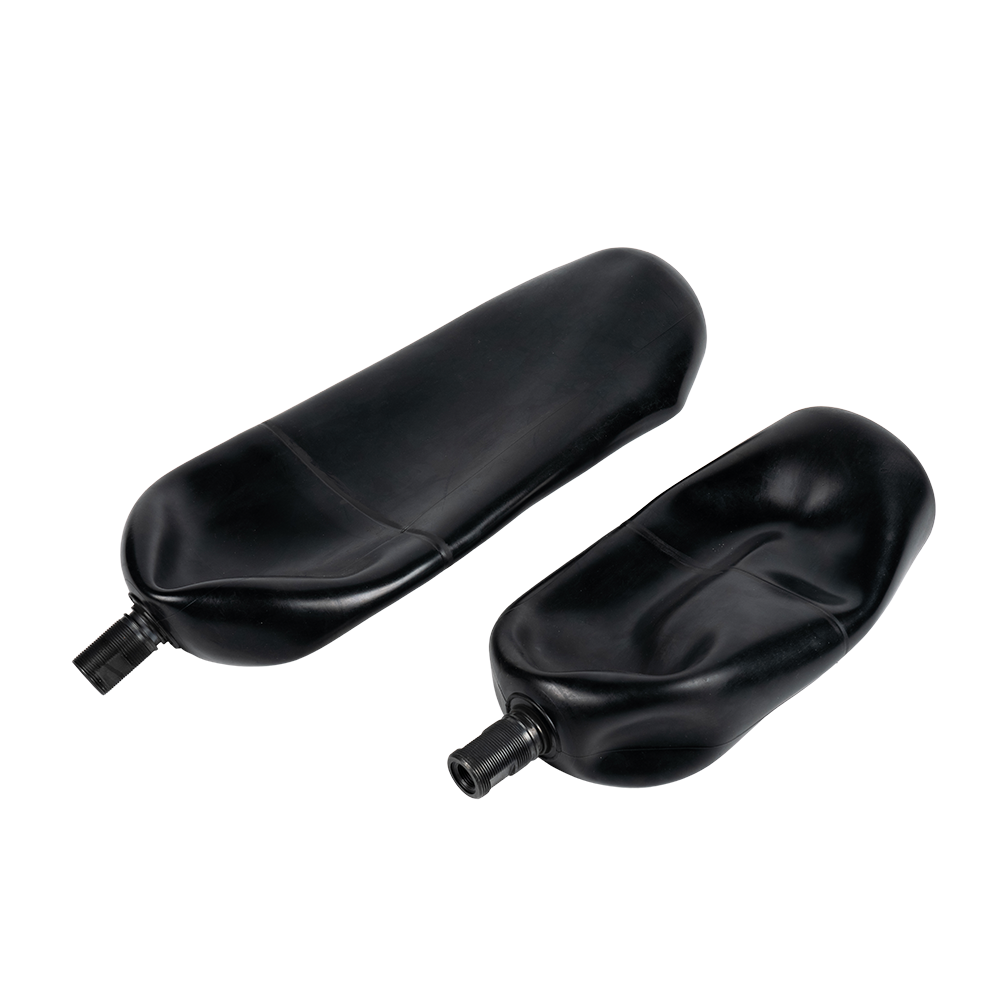
- Replace a worn accumulator bladder with a matching Replacement Accumulator Bladder rather than mixing bladder types within one group
- Keep an Accumulator Repair Kit on site so a single failed bladder does not take the whole station out of service
Why Buy a Pre-Assembled Station
Sourcing accumulators, valves, and piping separately means the buyer carries the design risk. A pre-built station shifts that risk to the Accumulator Group Supplier, who has already pressure-tested the assembly.
Buying Parts Separately
- Bracket geometry must be engineered in-house
- Valve group sourced from a different supplier, complicating warranty claims
- Pressure testing must be arranged after final assembly
Ordering a Bladder Accumulator Station
- Frame, bladders, and valve group arrive matched and tested as one unit
- Single point of responsibility for the whole assembly under one warranty
- Installation time on site is reduced to connecting the inlet and outlet lines
Sourcing From a Qualified Manufacturer
Because the station is a pressure-bearing assembly, the manufacturer's certification matters as much as the price quoted. A Bladder Accumulator Station Manufacturer holding a Pressure Vessel manufacturing license and EU CE certification can supply units for both domestic and export projects, and can document material traceability for each bladder and shell used in the group. When comparing quotes, confirm the working pressure rating, the certification standard applied to the shell, and whether the vendor can support future service parts such as an Accumulator Repair Kit or a matching High Pressure Valves set.
Related Products
-
-

The NXQ Series Bladder Accumulator is a bladder-type accumulator conforming to national standards (JB/T 7036-93) or HG2331. Its core component is the "bladder" or "capsule," hence the name. This serie...
See Details -

PED-type bladder accumulators refer to bladder accumulators that comply with the EU PED Directive (2014/68/EU). These accumulators typically consist of a steel outer shell and an internal elastic blad...
See Details -

A stainless steel bladder accumulator is an energy storage device used in hydraulic systems. It utilizes the compressibility of a gas (usually nitrogen) to store and release energy, primarily for stab...
See Details -
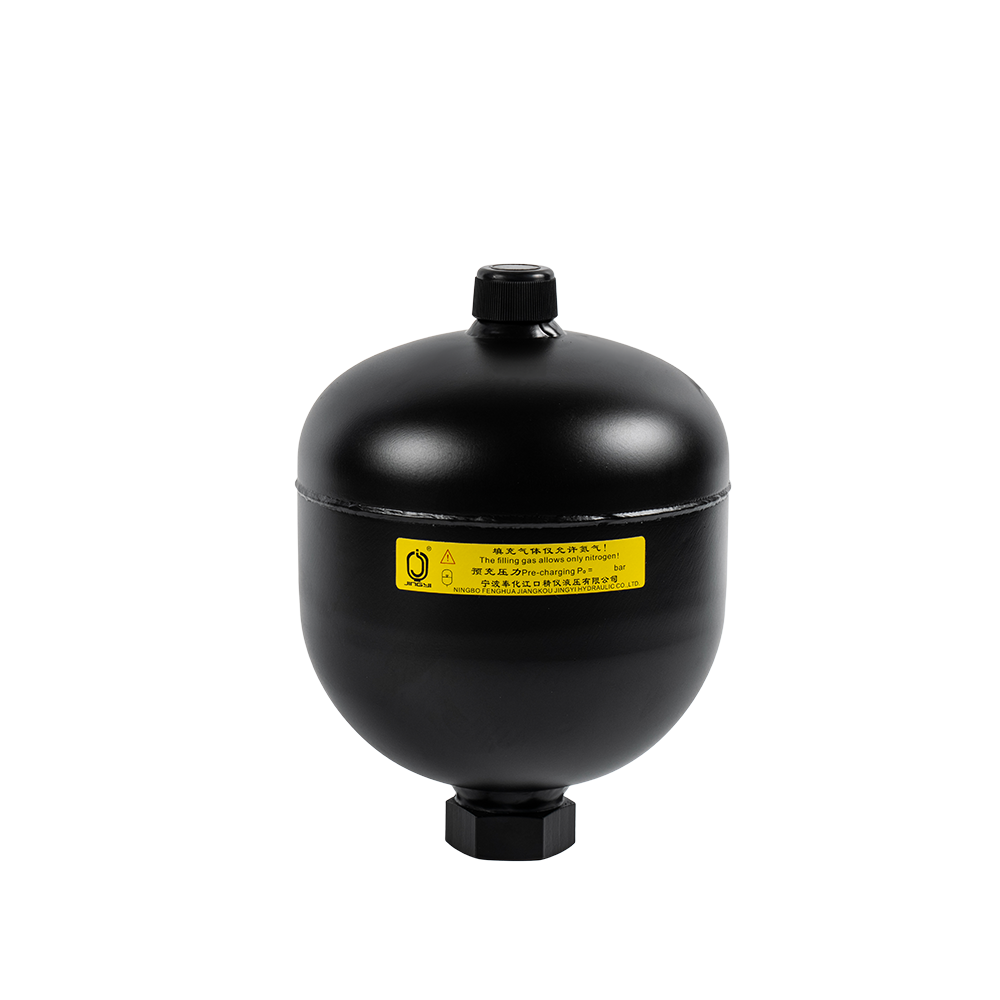
A diaphragm accumulator is a mechanical device that stores and releases energy using Boyle's Law (the compressibility of gases). Its core structure is a diaphragm made of a flexible material (usually ...
See Details -
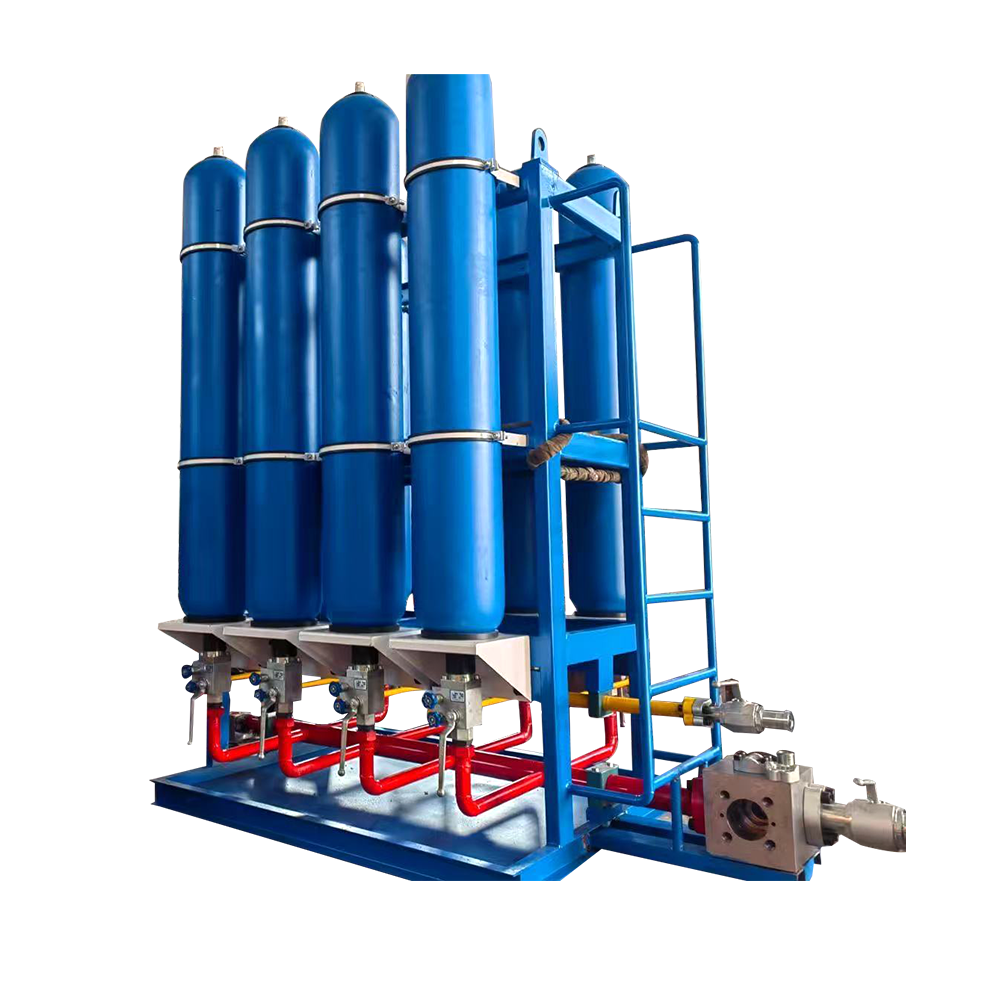
JINGYI Hydraulic Corporation offers a series of full-bladder accumulator stations, which include a fixed bolster, bag-type accumulator, a control valve group, ball valve, pipeline, oil return pipe, et...
See Details
News
-
A diaphragm accumulator is a sealed pressure vessel that stores hydraulic energy by using a flexible diaphragm to separate compressed nitrogen gas from hydraulic fluid. When system pressure rises, fluid pushe...
READ MORE -
A hydraulic accumulator is a pressure vessel that stores hydraulic energy by compressing nitrogen gas against incompressible hydraulic fluid, then releases that stored energy back into the circuit whenever th...
READ MORE -
A piston accumulator is a hydraulic energy storage vessel that uses a free-moving piston to separate compressed nitrogen gas from hydraulic fluid inside a steel cylinder. When system pressure rises, oil pushe...
READ MORE -
A hydraulic bladder accumulator is a pressure vessel that stores hydraulic energy by using a flexible rubber bladder to separate pressurized nitrogen gas from hydraulic fluid. As an industrial hydraulic accumu...
READ MORE -
An accumulator is a pressure storage device used in hydraulic systems to store energy in the form of pressurized fluid and release it on demand. It works by separating a pre-charged nitrogen gas from hydraulic...
READ MORE -
Quick Answer An Accumulator Nitrogen Charging Kit is a portable set of tools — hose, control valve, gauge, and adapter — used to fill a hydraulic accumulator with dry nitrogen gas and to verify that the pre-cha...
READ MORE
contact us

-

-

Mobile: +86-574-88830515
-

Telephone: +86-15968431761
-

No. 12 Xujiabu, Xikou Town, Fenghua District, Ningbo City, Zhejiang Province, P.R.China