
 Español
 中文简体
中文简体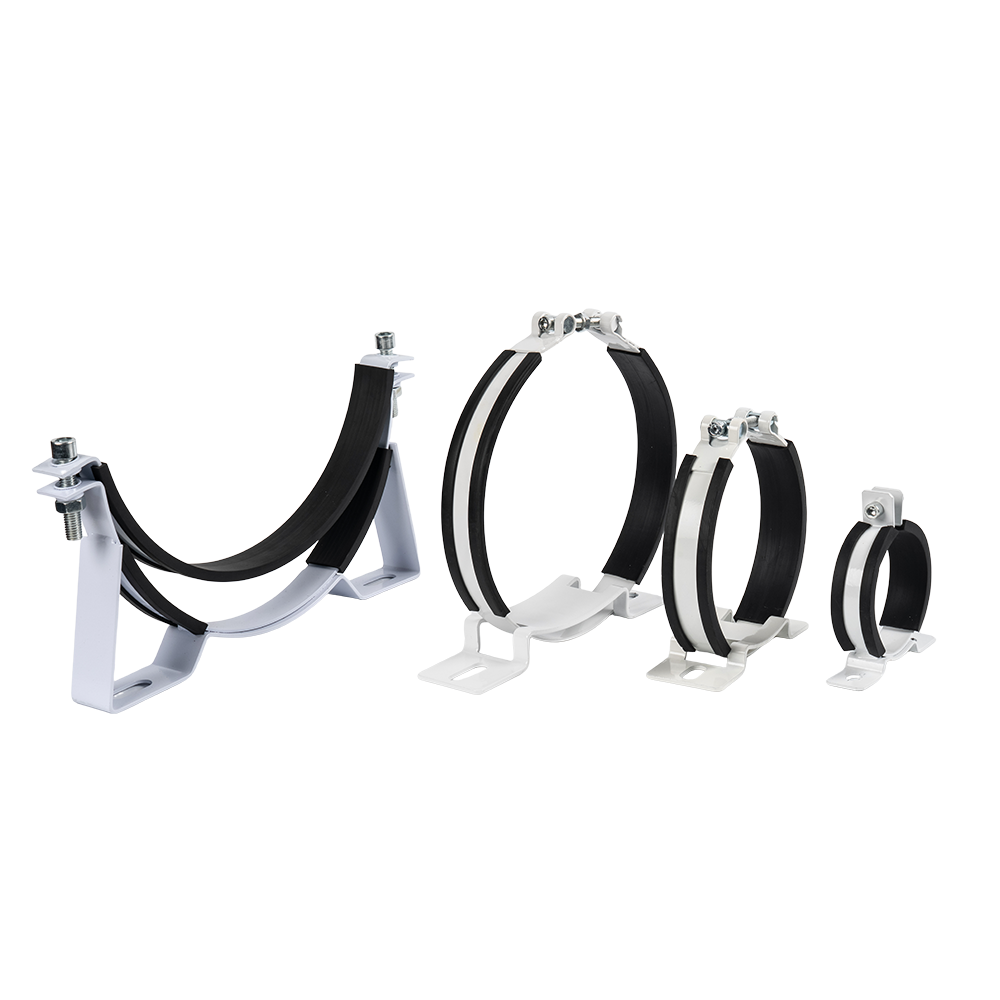
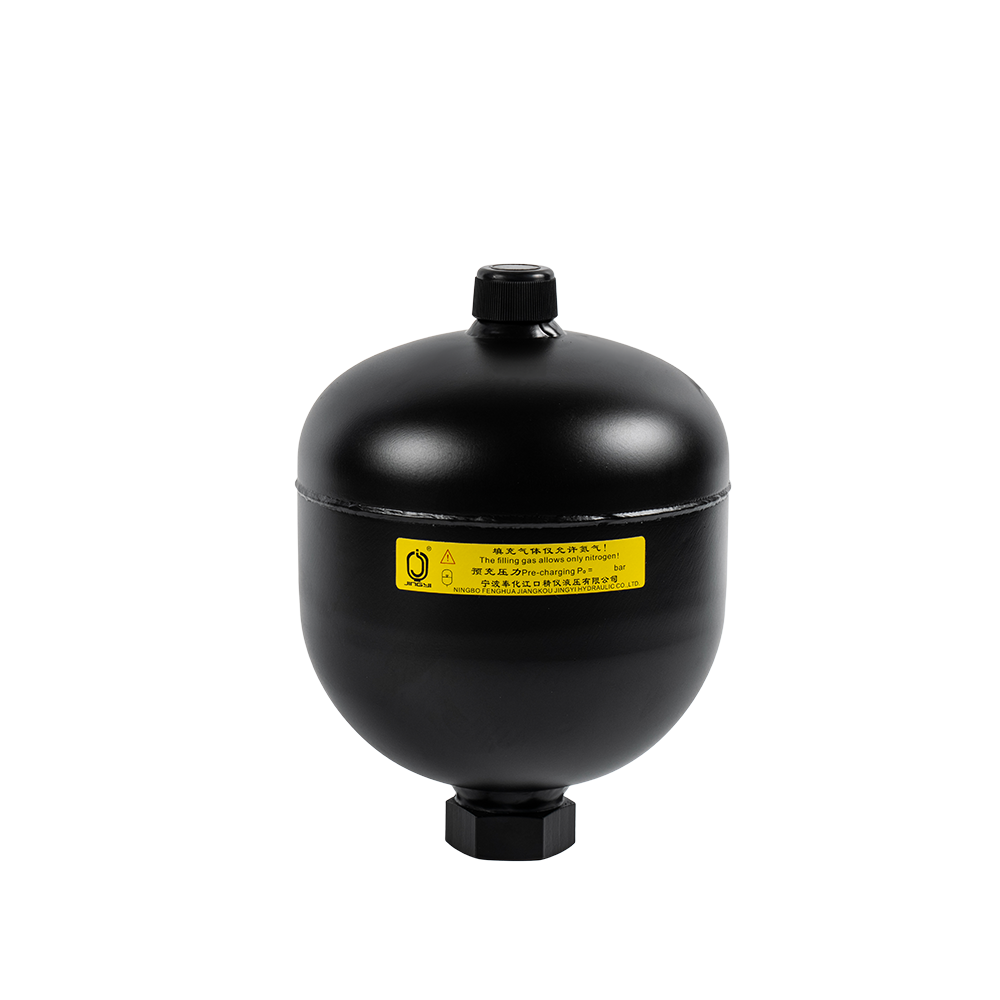
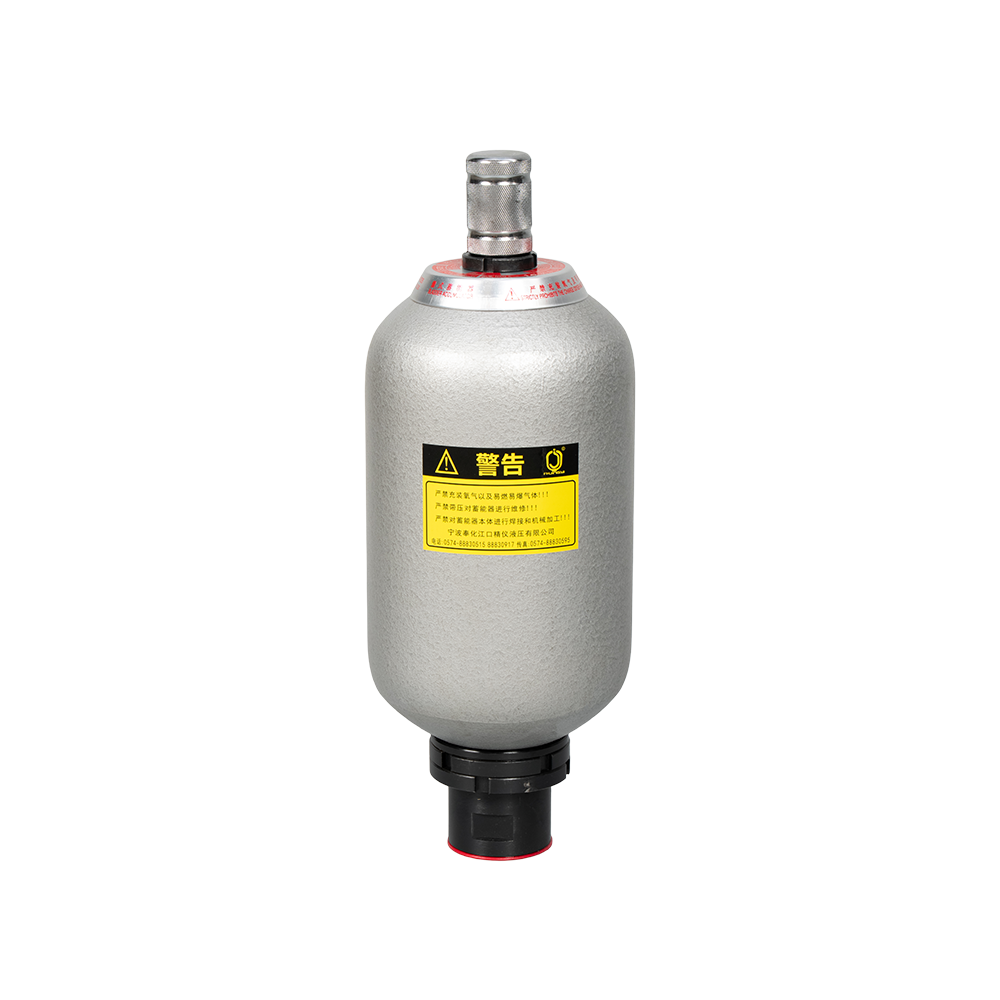
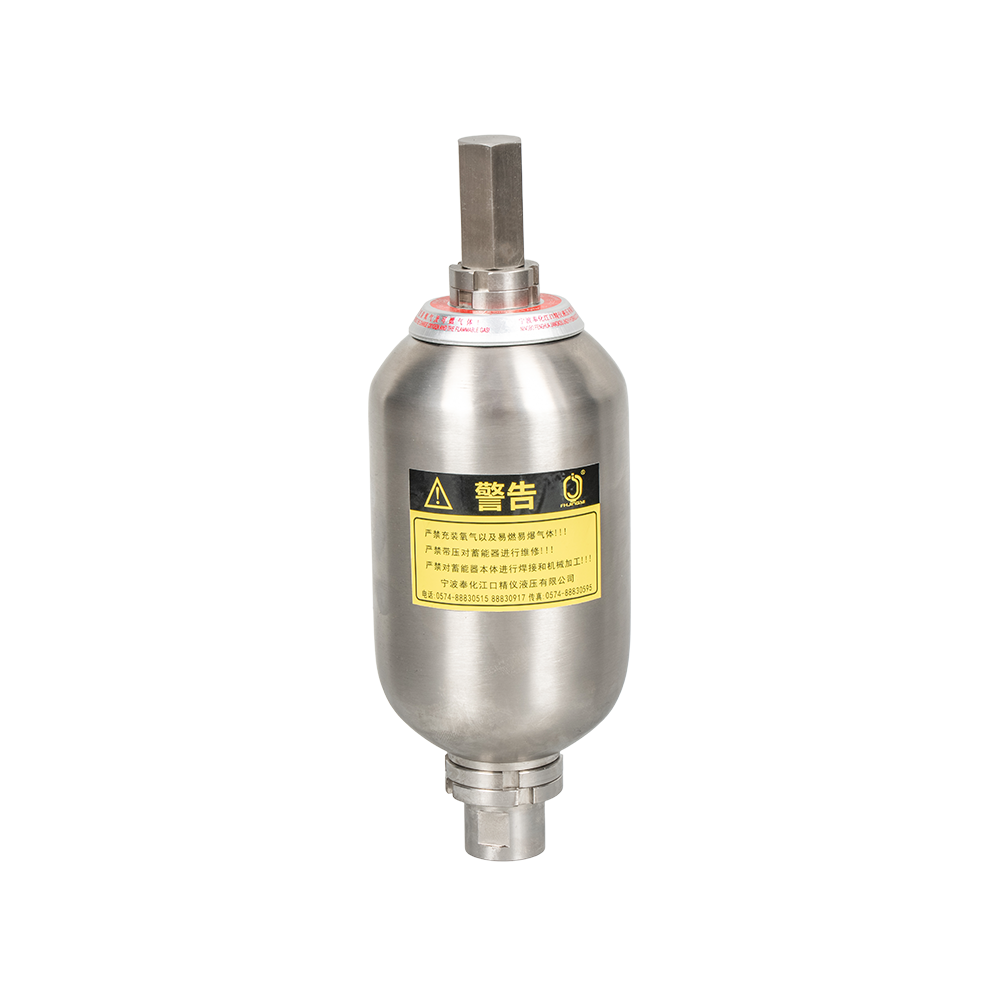
A Piston Accumulator is a mechanical device that uses the compressibility of a gas (usually nitrogen) to store hydraulic energy. It is widely used in hydraulic systems as an energy regulator. It isola...
See Details
What is a Piston Accumulator?
Admin 2026-07-24Content
- 1 Core Structure of a Piston Accumulator
- 2 How a Piston Accumulator Works
- 3 Piston Accumulator vs Bladder and Diaphragm Accumulator
- 4 Model Coding and How to Read Specifications
- 5 Related Products for Complete Accumulator Systems
- 6 Typical Applications
- 7 Selection and Maintenance Tips
- 8 Working With a Piston Accumulator Manufacturer
A piston accumulator is a hydraulic energy storage vessel that uses a free-moving piston to separate compressed nitrogen gas from hydraulic fluid inside a steel cylinder. When system pressure rises, oil pushes the piston upward and compresses the gas; when pressure drops, the gas expands and drives the piston back down, forcing stored oil back into the circuit. This design makes piston accumulators a preferred choice for high pressure, large volume hydraulic energy storage where fast response and long service life are required.
Core Structure of a Piston Accumulator
Unlike a bladder accumulator or a diaphragm accumulator, a piston accumulator uses a rigid moving piston instead of an elastic membrane to divide the gas chamber from the oil chamber. This gives it a simpler internal geometry and makes it well suited for heavy duty industrial hydraulic accumulator applications.
- Cylinder body (oil chamber and gas chamber): a precision-honed steel tube that houses the piston and withstands the working pressure.
- Piston: the moving barrier between gas and oil, typically fitted with wear-resistant guide rings.
- Sealing system: high-precision seals on both sides of the piston prevent gas from migrating into the hydraulic fluid, keeping the oil clean.
- End caps and control valves: a pre-charge valve for nitrogen filling and a check valve to control fluid flow at the oil port.
How a Piston Accumulator Works
The operating cycle of a piston accumulator resembles a large mechanical spring, storing hydraulic energy and releasing it on demand.
| Stage | What Happens |
| Energy storage | System pressure rises above the gas pre-charge pressure; oil flows in through the check valve, pushing the piston up and compressing the gas. |
| Energy release | System pressure drops; the compressed gas expands, pushing the piston down and forcing oil back into the circuit. |
| Result | Pressure pulses are smoothed out and hydraulic energy storage is available instantly when the pump alone cannot keep up with demand. |
Piston Accumulator vs Bladder and Diaphragm Accumulator
Choosing between a piston accumulator, a bladder accumulator, and a diaphragm accumulator depends mainly on volume, pressure class, and response speed.
| Type | Best For | Typical Volume |
| Piston Accumulator | Large volume, high pressure hydraulic energy storage | 0.5L to 250L |
| Bladder Accumulator | Fast pulsation damping, quick response | Small to medium |
| Diaphragm Accumulator | Compact spaces, mobile equipment | Small volume |
Model Coding and How to Read Specifications
A piston accumulator model code tells you the nominal volume, pressure rating, port type, thread configuration, and working medium in one string. For example, a piston accumulator with a nominal pressure of 31.5MPa, a nominal volume of 20L, a threaded hydraulic port, male end cap thread, using hydraulic oil, and a 180mm shell diameter is coded as HXQ-A-20/31.5-L-Y-180.
| Model Code | Volume (L) | Diameter D1 (mm) | Pressure (MPa) | Weight (kg) |
| HXQ-A-2/-L-Y-125 | 2 | 125 | 10 to 31.5 | 34 |
| HXQ-A-20/-L-Y-150 | 20 | 150 | 10 to 31.5 | 100 |
| HXQ-A-50/-L-Y-180 | 50 | 180 | 10 to 31.5 | 231 |
| HXQ-A-80/-L-Y-200 | 80 | 200 | 10 to 31.5 | 316 |
| HXQ-A-250/-L-Y-350 | 250 | 350 | 10 to 31.5 | 900 |
Nominal volumes range from 0.5L up to 250L and nominal pressure spans 10MPa to 31.5MPa, with threaded or flanged hydraulic ports and hydraulic oil or emulsion and water-glycol as the working medium. As a piston accumulator manufacturer, we design and develop units according to customer requirements to meet different site conditions, and welcome custom requests for special working pressures, port types, or shell diameters.
Related Products for Complete Accumulator Systems
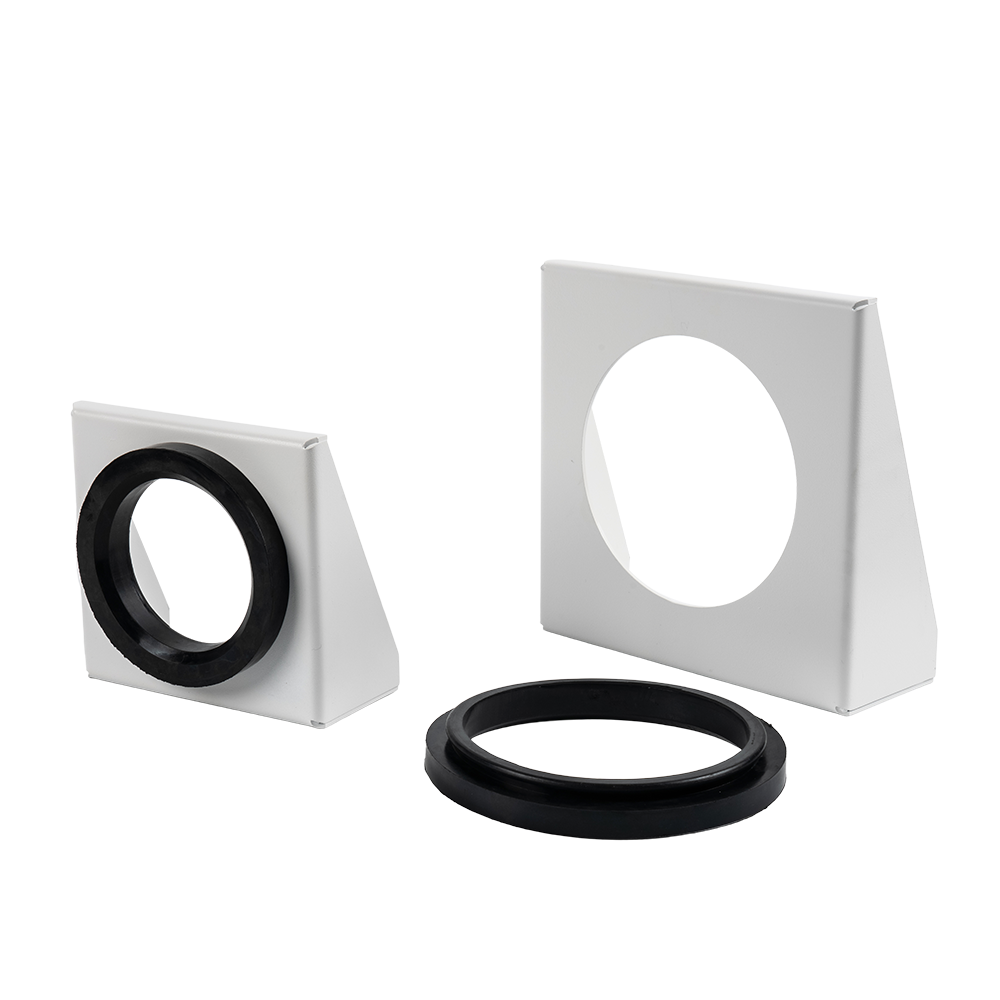
A piston accumulator rarely works alone. Mounting hardware, nitrogen charging tools, and complementary accumulator types are usually needed to build a complete, CE certified accumulator group for an industrial hydraulic energy storage system.
Accumulator Group Products
Explore the mounting accessories and complementary accumulator types that work alongside a piston accumulator in a complete hydraulic energy storage system.
Typical Applications
Because it can be built for large nominal volumes and high pressure ratings, a piston accumulator is common in equipment that needs a strong, steady hydraulic energy storage reserve.
- Metallurgy and forging presses: supplying peak flow during the pressing stroke.
- Injection molding machines: supporting fast clamping and injection cycles.
- Marine and offshore hydraulics: buffering pressure shocks in large fluid volumes.
- Mobile and construction machinery: absorbing shock loads and stabilizing pressure.
Selection and Maintenance Tips
Getting the sizing and upkeep right keeps a piston accumulator working safely over its full service life.
- Match nominal volume and pressure rating to the actual system demand rather than oversizing, which wastes cost and space.
- Choose the correct working medium option, hydraulic oil or emulsion and water-glycol, based on the fluid used in the circuit.
- Pre-charge nitrogen with a proper nitrogen charging device or nitrogen charging kit rather than shop air, and always use a dedicated gas filling tool.
- Check the accumulator safety valve and seals on a scheduled basis, and keep an accumulator repair kit on hand for seal replacement.
- Confirm pressure vessel certification, such as CE certification, when the unit will be used across international markets.
Working With a Piston Accumulator Manufacturer
A qualified piston accumulator manufacturer should hold recognized pressure vessel manufacturing qualifications and be able to support OEM and ODM requests. Beyond piston accumulators, a full-line hydraulic accumulator supplier typically also offers bladder accumulators, diaphragm accumulators, accumulator charging kits, accumulator accessories, and hydraulic valves manufacturer capabilities such as high pressure valves, so a project can source a complete accumulator group and matching hydraulic energy storage components from a single, reliable partner.
Related Products
-
-

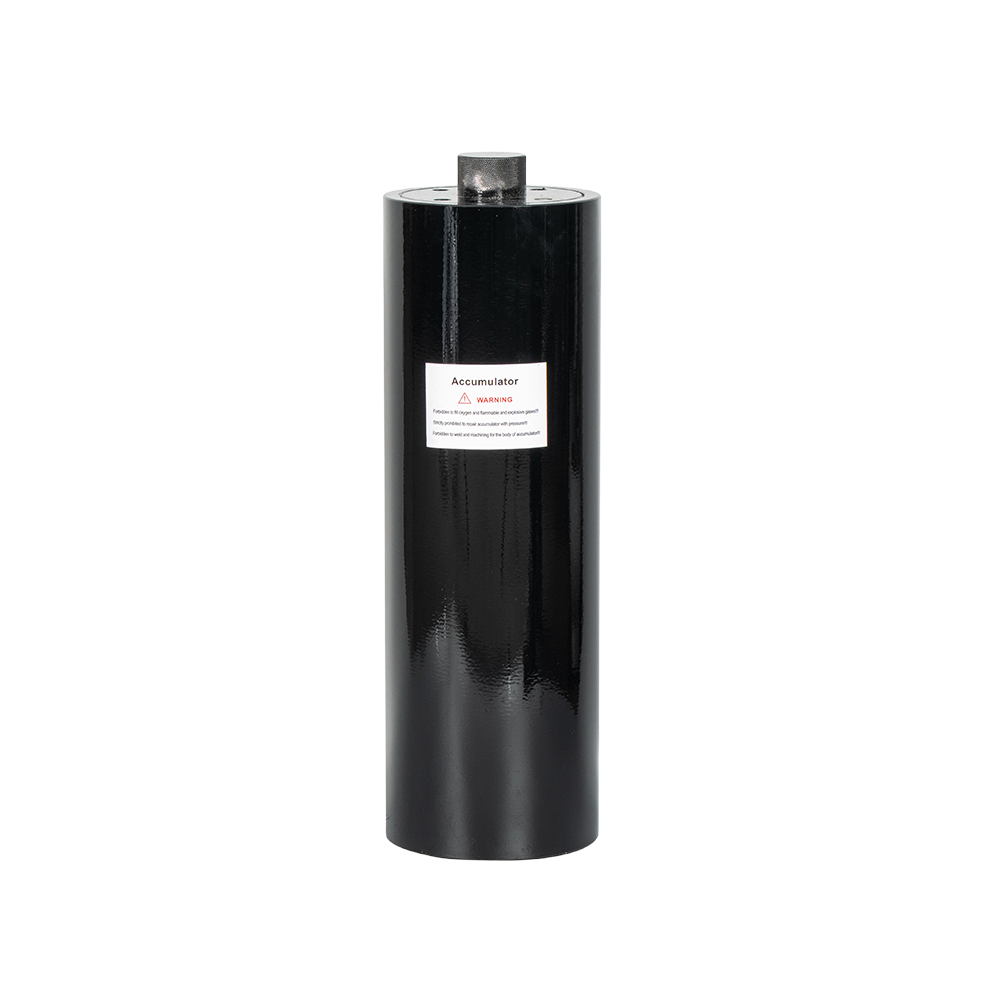
An accumulator bracket is a mechanical device used to fix and support a hydraulic accumulator.
See Details -

An accumulator clamp is a metal fastener specifically designed for securing and supporting hydraulic or pneumatic accumulators. Its primary function is to prevent the accumulator from swaying, deformi...
See Details -

The NXQ Series Bladder Accumulator is a bladder-type accumulator conforming to national standards (JB/T 7036-93) or HG2331. Its core component is the "bladder" or "capsule," hence the name. This serie...
See Details -
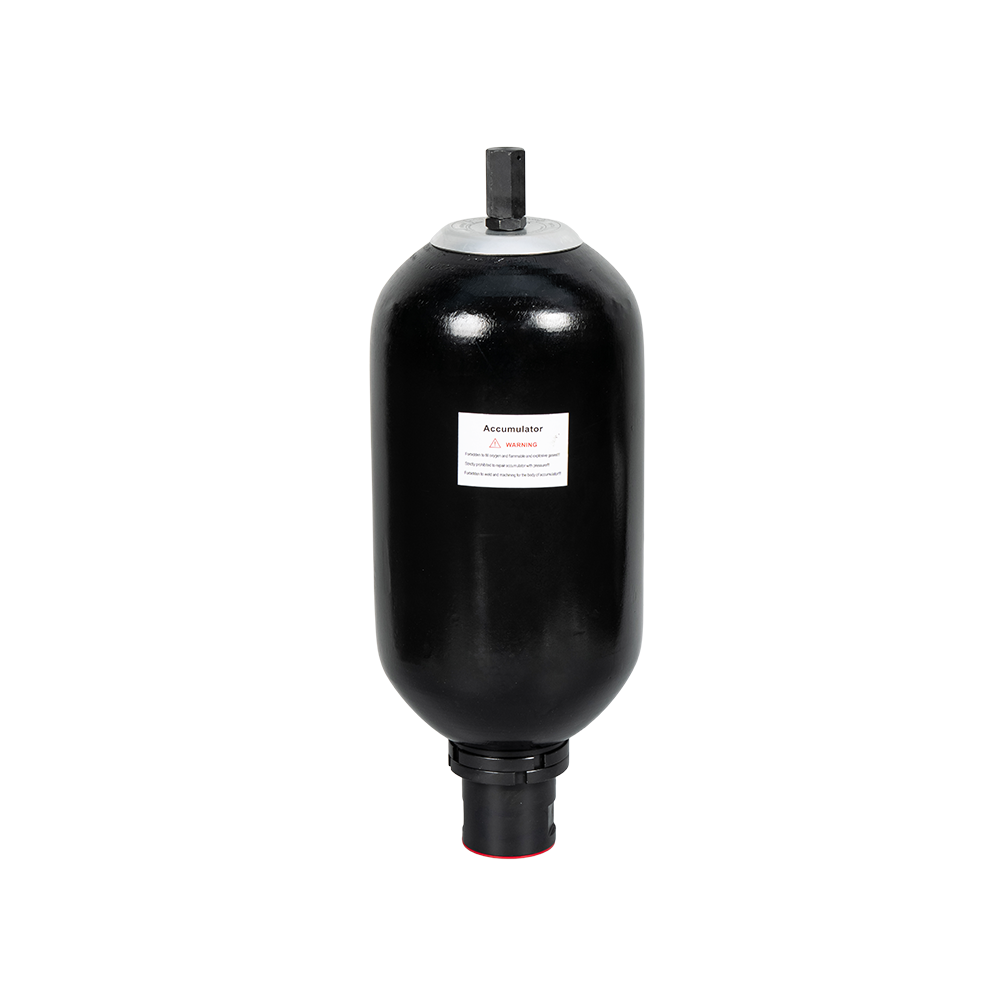
PED-type bladder accumulators refer to bladder accumulators that comply with the EU PED Directive (2014/68/EU). These accumulators typically consist of a steel outer shell and an internal elastic blad...
See Details -

A stainless steel bladder accumulator is an energy storage device used in hydraulic systems. It utilizes the compressibility of a gas (usually nitrogen) to store and release energy, primarily for stab...
See Details
News
-
A hydraulic accumulator is a pressure vessel that stores hydraulic energy by compressing nitrogen gas against incompressible hydraulic fluid, then releases that stored energy back into the circuit whenever th...
READ MORE -
Piston accumulators separate gas and fluid with metal pistons. They feature strong pressure resistance and a wide range of volume options, enabling high-pressure energy storage and long-term pressure maintenanc...
READ MORE -
A hydraulic bladder accumulator is a pressure vessel that stores hydraulic energy by using a flexible rubber bladder to separate pressurized nitrogen gas from hydraulic fluid. As an industrial hydraulic accumu...
READ MORE -
A bladder accumulator station is a pre-engineered hydraulic energy storage skid that groups several bladder accumulators onto one mounting frame together with a control valve group, ball valves, safety stop v...
READ MORE -
An accumulator is a pressure storage device used in hydraulic systems to store energy in the form of pressurized fluid and release it on demand. It works by separating a pre-charged nitrogen gas from hydraulic...
READ MORE -
A diaphragm accumulator is a sealed pressure vessel that stores hydraulic energy by using a flexible diaphragm to separate compressed nitrogen gas from hydraulic fluid. When system pressure rises, fluid pushe...
READ MORE
contact us

-

-

Mobile: +86-574-88830515
-

Telephone: +86-15968431761
-

No. 12 Xujiabu, Xikou Town, Fenghua District, Ningbo City, Zhejiang Province, P.R.China