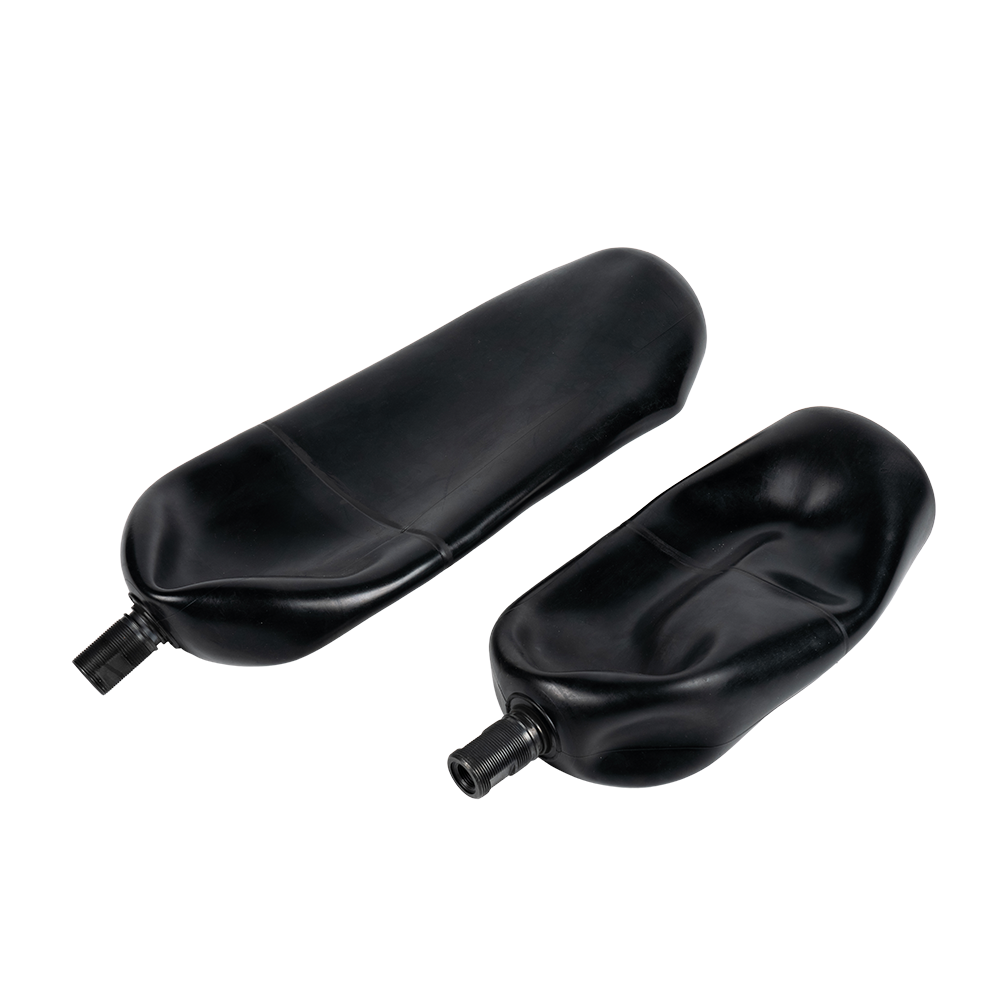
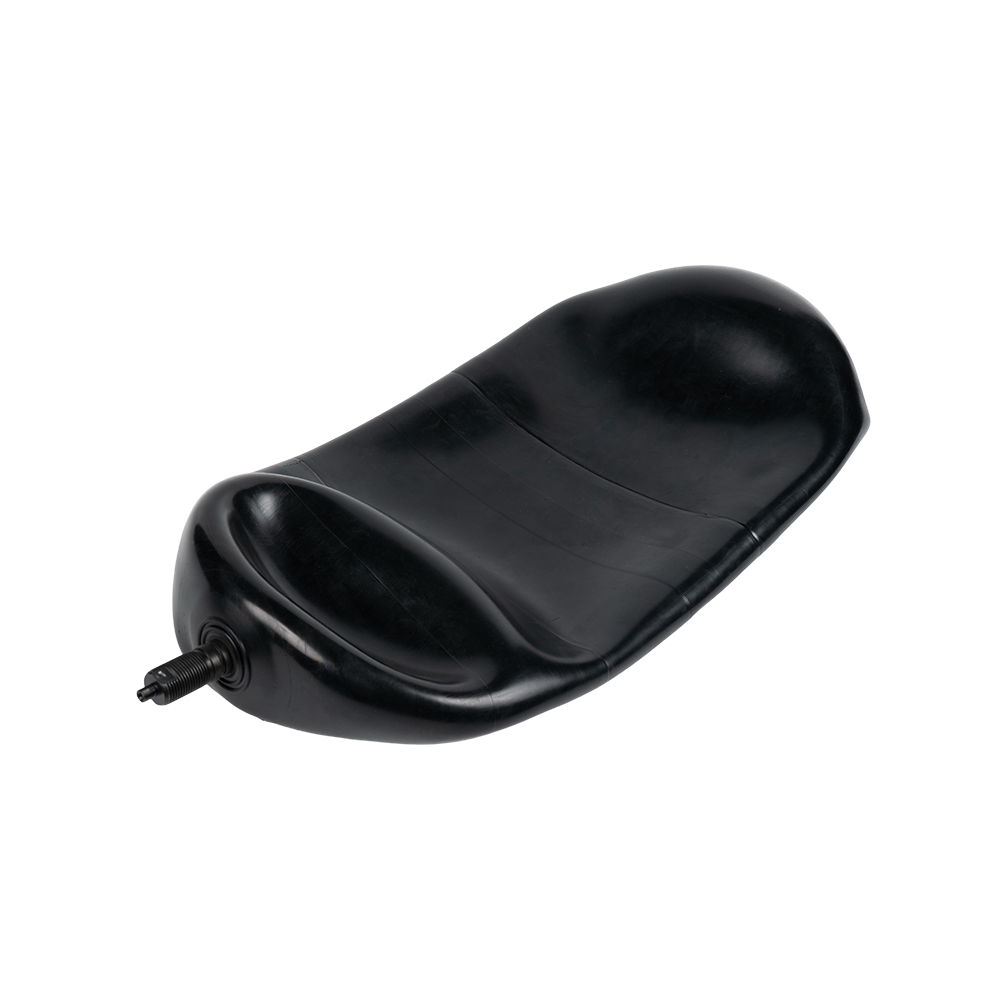
What an Accumulator Bladder Does Inside the System
An Accumulator Bladder is the flexible rubber element inside a bladder-type accumulator that separates the pre-charged nitrogen gas from the hydraulic fluid. As the system pressure rises and falls, the bladder expands and contracts, allowing the gas to compress or expand while keeping it physically isolated from the oil. Over time, repeated flexing, fluid contamination, and temperature cycling cause natural wear, which is why a Replacement Accumulator Bladder eventually becomes necessary to restore the accumulator's original storage capacity and sealing performance.
Because the bladder is a wear part rather than a permanent fixture, most accumulators are designed with a removable end cap specifically to allow bladder inspection and replacement without scrapping the entire pressure vessel.
How an Accumulator Bladder Works During Operation
During the charging phase, hydraulic fluid entering the accumulator pushes against the bladder, compressing the nitrogen gas sealed inside it. During the discharge phase, the compressed gas expands and pushes the bladder outward, forcing fluid back into the circuit. This cycle repeats continuously, and a typical bladder in a high-cycle application may flex thousands of times per day, which is why elastomer quality and wall thickness directly determine service life.
Bladder Operating Cycle
- Fluid enters and compresses the bladder against the stored gas
- Gas pressure rises as the bladder volume decreases
- Gas expands and pushes the bladder back, releasing fluid into the circuit
Signs That Indicate a Replacement Accumulator Bladder Is Needed
A failing bladder rarely gives a single obvious warning; instead, it usually shows up as a gradual loss of system performance. Recognizing the early signs can prevent unplanned downtime and protect other hydraulic components from contamination caused by gas mixing with the fluid.
Common bladder failure symptoms and likely causes
| Symptom |
Likely Cause |
| Rapid pre-charge pressure loss |
Bladder puncture or seal leak |
| Gas bubbles in hydraulic fluid |
Bladder rupture allowing gas to mix with oil |
| Reduced system responsiveness |
Bladder hardening or loss of elasticity |
Choosing the Right Bladder Material and Supplier
Bladder material must be compatible with both the hydraulic fluid type and the operating temperature range. Nitrile rubber (NBR) is common for mineral oil systems, while fluorocarbon (FKM) compounds handle higher temperatures and more aggressive fluids. Selecting the wrong material can cause swelling, cracking, or rapid degradation well before the expected service interval.
Ningbo Fenghua Jiangkou Jingyi Hydraulic Co., Ltd., founded in 2012 and located in Xikou Town, Fenghua District, Ningbo City, Zhejiang Province, is a national high-tech enterprise specializing in hydraulic and pneumatic components, with core products covering various accumulators, accumulator accessories, hydraulic parts, and pneumatic components. The company holds the Special Equipment Manufacturing License (Grade A2 for Pressure Vessels) issued by the Zhejiang Administration for Market Regulation and has obtained EU CE certification, with production strictly following national quality assurance standards from raw materials through to finished products, ensuring consistent bladder quality for customers worldwide.
Replacement Checklist
- Confirm bladder size and shape match the accumulator model exactly
- Verify elastomer compatibility with the hydraulic fluid in use
- Fully discharge gas pressure before opening the accumulator
- Re-charge with nitrogen to the correct pre-charge pressure after installation
Frequently Asked Questions
Service life varies by application, but many bladders last 3 to 5 years under normal operating conditions before replacement becomes necessary.
Q2: Can a Replacement Accumulator Bladder be installed without removing the accumulator from the line?
In most cases the accumulator must be isolated from the system and fully depressurized first, though it does not always need to be removed entirely if the end cap is accessible in place.
Q3: What happens if a damaged bladder is left unreplaced?
Continued use with a damaged bladder can allow nitrogen to mix with the hydraulic fluid, leading to spongy system response, fluid contamination, and potential damage to pumps and valves downstream.
Q4: Is it safe to reuse an old bladder after minor repair?
It is not recommended, since elastomer fatigue is generally not visible to the naked eye and a patched bladder is far more likely to fail again under pressure cycling.

 Español
 中文简体
中文简体