
 Español
 中文简体
中文简体An accumulator bracket is a mechanical device used to fix and support a hydraulic accumulator.
See Details
What is an Accumulator?
Admin 2026-07-03Content
- 1 How a Hydraulic Accumulator Stores and Releases Energy
- 2 Main Types of Industrial Hydraulic Accumulators
- 3 Why Hydraulic Energy Storage Matters for Industrial Equipment
- 4 Featured Accumulator Product Range
- 5 Which Accumulator Type Fits Your Application
- 6 Accumulator Charging Kit and Nitrogen Charging Device Basics
- 7 Maintenance With Accumulator Accessories and Repair Kits
- 8 What to Look for in an Accumulator Group Supplier
A hydraulic accumulator is a pressure vessel that stores hydraulic energy by compressing nitrogen gas against incompressible hydraulic fluid, then releases that stored energy back into the circuit whenever the system needs extra flow, pressure stability, or emergency backup power. In practical terms, it works like a rechargeable battery for a hydraulic system: the gas side gets pre-charged to roughly 90 percent of the system's minimum working pressure, and the fluid side absorbs or discharges oil as demand rises and falls.
How a Hydraulic Accumulator Stores and Releases Energy
Inside the shell, a flexible bladder, piston, or diaphragm physically separates the nitrogen gas chamber from the hydraulic oil chamber. When pump output exceeds system demand, oil pushes into the vessel and compresses the gas. When demand exceeds pump output, the compressed gas expands and pushes oil back into the circuit. This cycle repeats continuously in normal operation, so the accumulator effectively smooths out the mismatch between what the pump produces and what the machine actually needs at any given moment.
The gas pre-charge pressure is the single most important setting. If it is too low, the bladder or diaphragm can be crushed against the fluid port during rapid discharge, which is one of the leading causes of premature seal failure. If it is too high, usable fluid volume drops and the vessel loses part of its intended storage capacity. Most manufacturers recommend checking pre-charge every three to six months and after any major temperature swing, since nitrogen pressure shifts with ambient temperature at roughly 0.35 percent per degree Celsius.
Main Types of Industrial Hydraulic Accumulators
Three accumulator designs cover the large majority of industrial applications, and each one trades off response speed, volume capacity, and contamination tolerance differently.
| Type | Typical Volume | Typical Pressure | Best Suited For |
|---|---|---|---|
| Bladder Accumulator | 0.5 to 50 liters | up to 350 bar | Fast response, shock absorption, general energy storage |
| Piston Accumulator | up to 450 liters | up to 700 bar | Large volume storage, high pressure presses, heavy machinery |
| Diaphragm Accumulator | 0.1 to 4 liters | up to 350 bar | Pulsation damping, mobile equipment, compact installations |
Bladder accumulators respond fastest because the elastomeric bladder has very low mass, which makes them the default choice for shock absorption and leakage compensation. Piston accumulators handle far larger volumes and higher pressures but respond more slowly due to piston seal friction, so they suit steady energy storage such as hydraulic presses and accumulator stations. Diaphragm accumulators are compact and tolerate small flow, high-cycle applications like pump pulsation damping on mobile and construction equipment.
Why Hydraulic Energy Storage Matters for Industrial Equipment
Adding hydraulic energy storage to a circuit is rarely optional in demanding applications, because it directly affects pump sizing, energy cost, and equipment lifespan.
- Peak demand support: an accumulator supplies short bursts of high flow, allowing a smaller, lower-cost pump to handle average load instead of peak load.
- Pressure stability: it dampens pressure spikes and pulsations that would otherwise stress hoses, fittings, and cylinder seals.
- Emergency backup: on power or pump failure, stored energy can complete a safety-critical stroke, such as closing a clamp or retracting a mold.
- Leakage and thermal compensation: it maintains system pressure between pump cycles, reducing pump run time and energy consumption by as much as 20 to 40 percent in intermittent-duty circuits.
- Vibration and noise reduction: it absorbs pressure ripple from piston pumps, extending the service life of downstream components.
Featured Accumulator Product Range
A complete hydraulic energy storage line typically covers the three core accumulator types plus the charging and maintenance tools needed to keep them running safely.
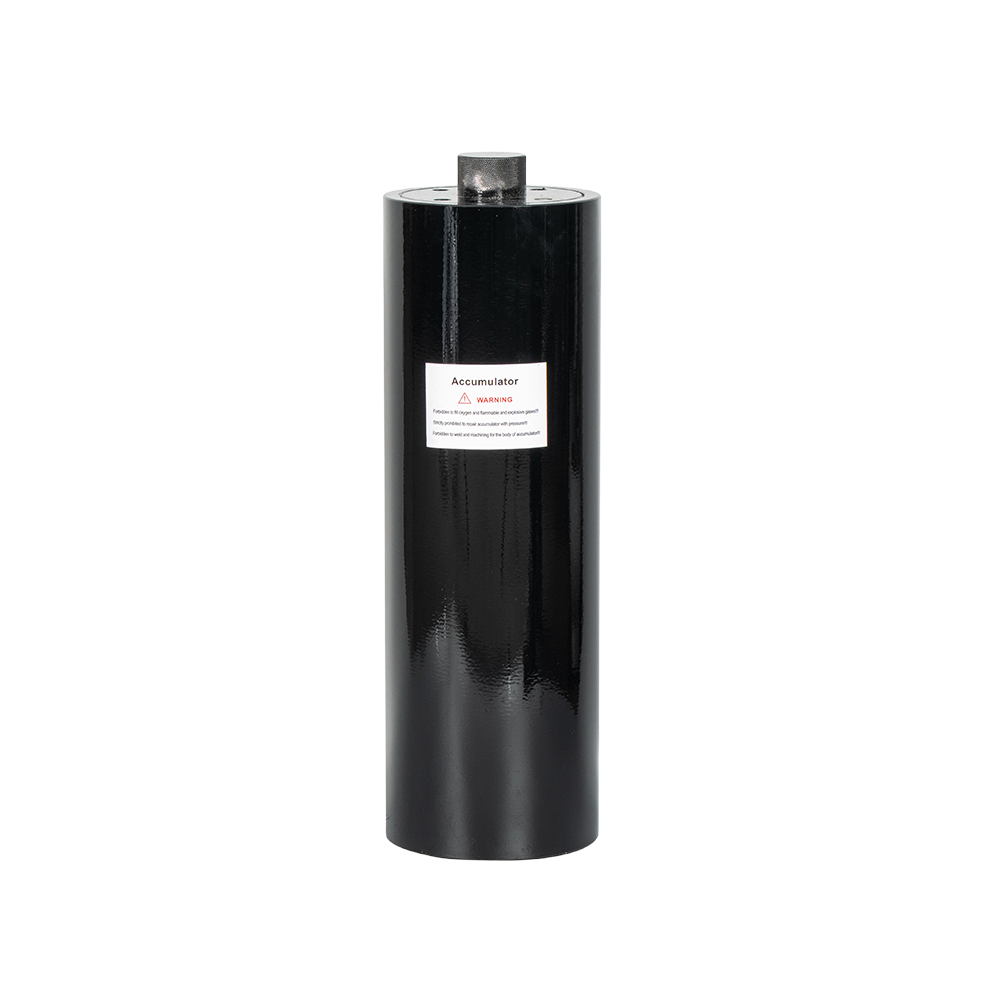
Piston Accumulator
High Pressure
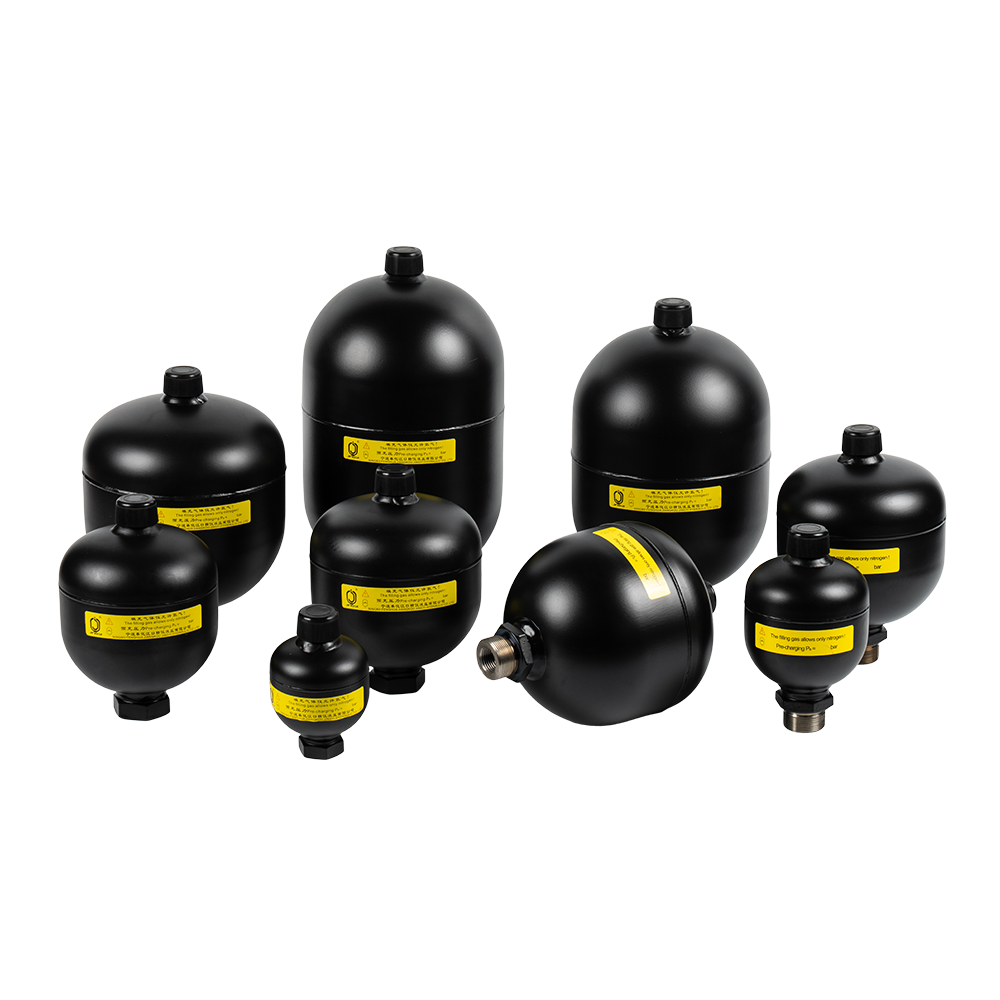
Diaphragm Accumulator
Pulsation Damping
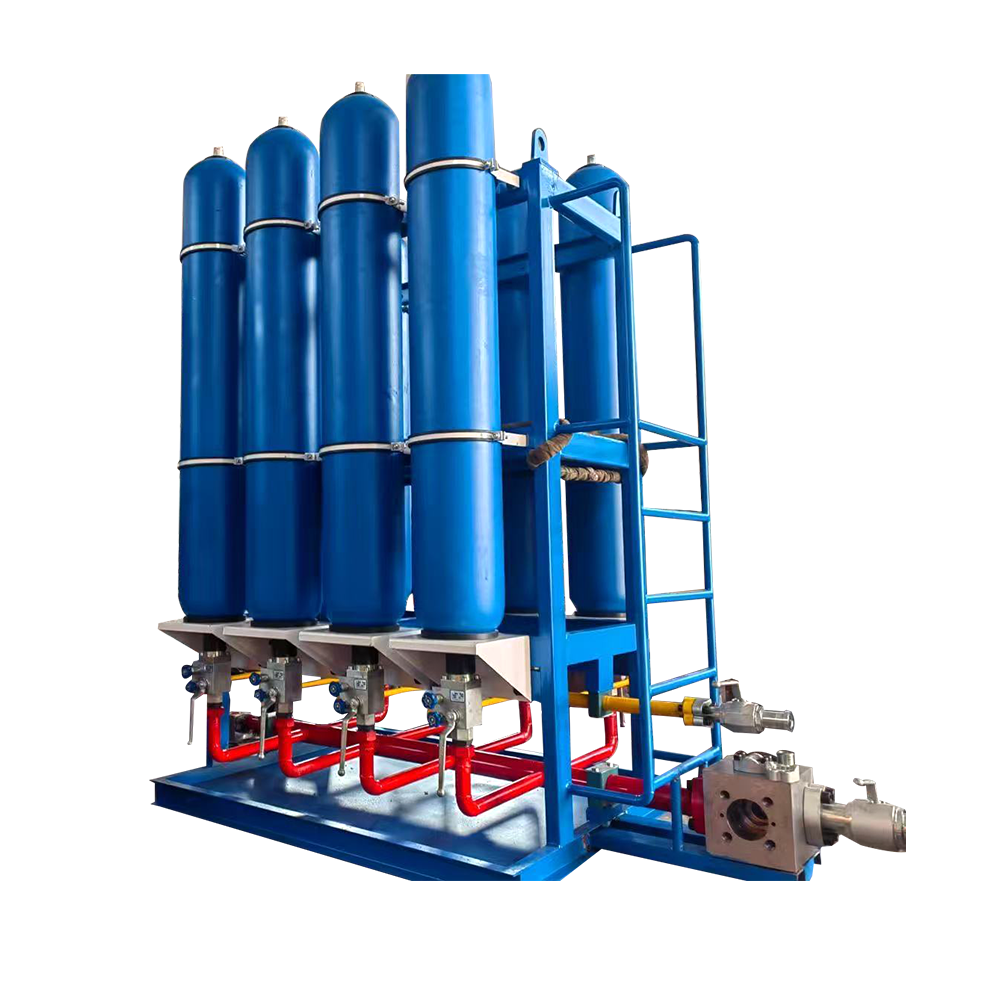
Bladder Accumulator
Storing Energy
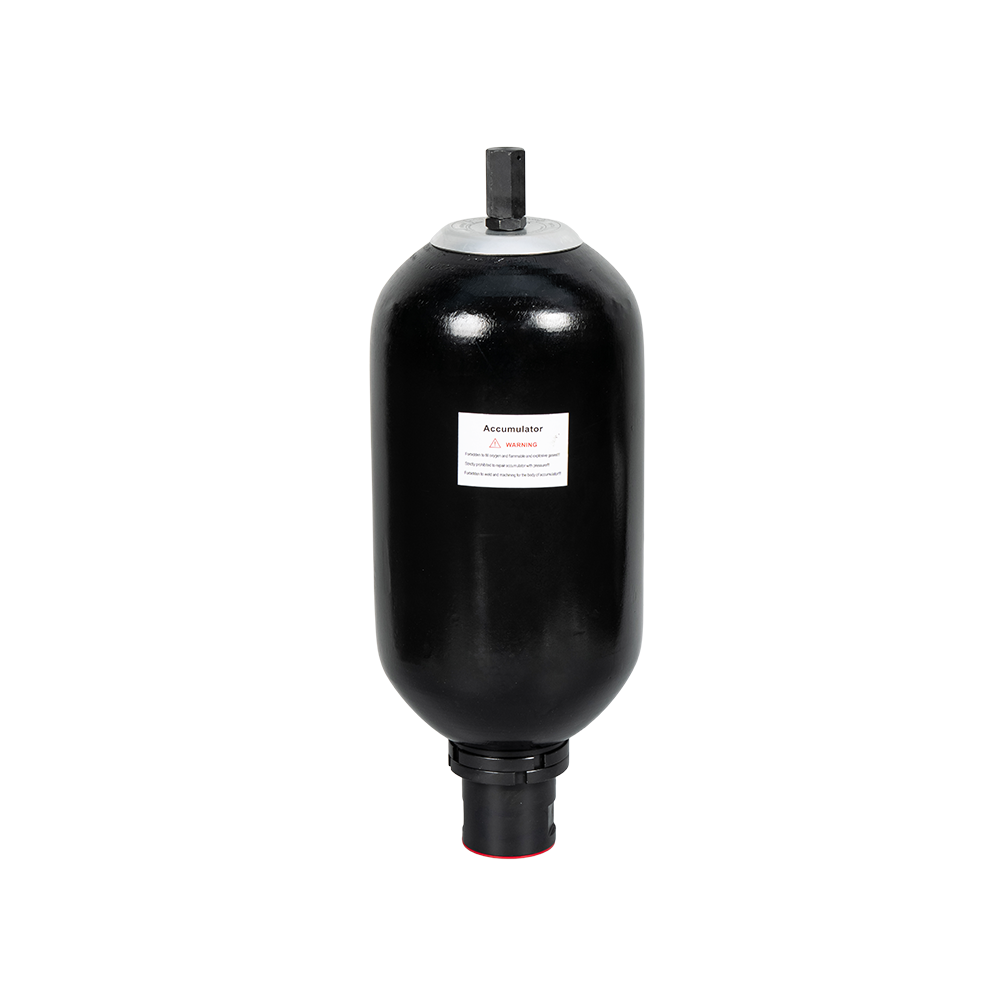
PED Type Bladder Accumulator
EU PED Directive
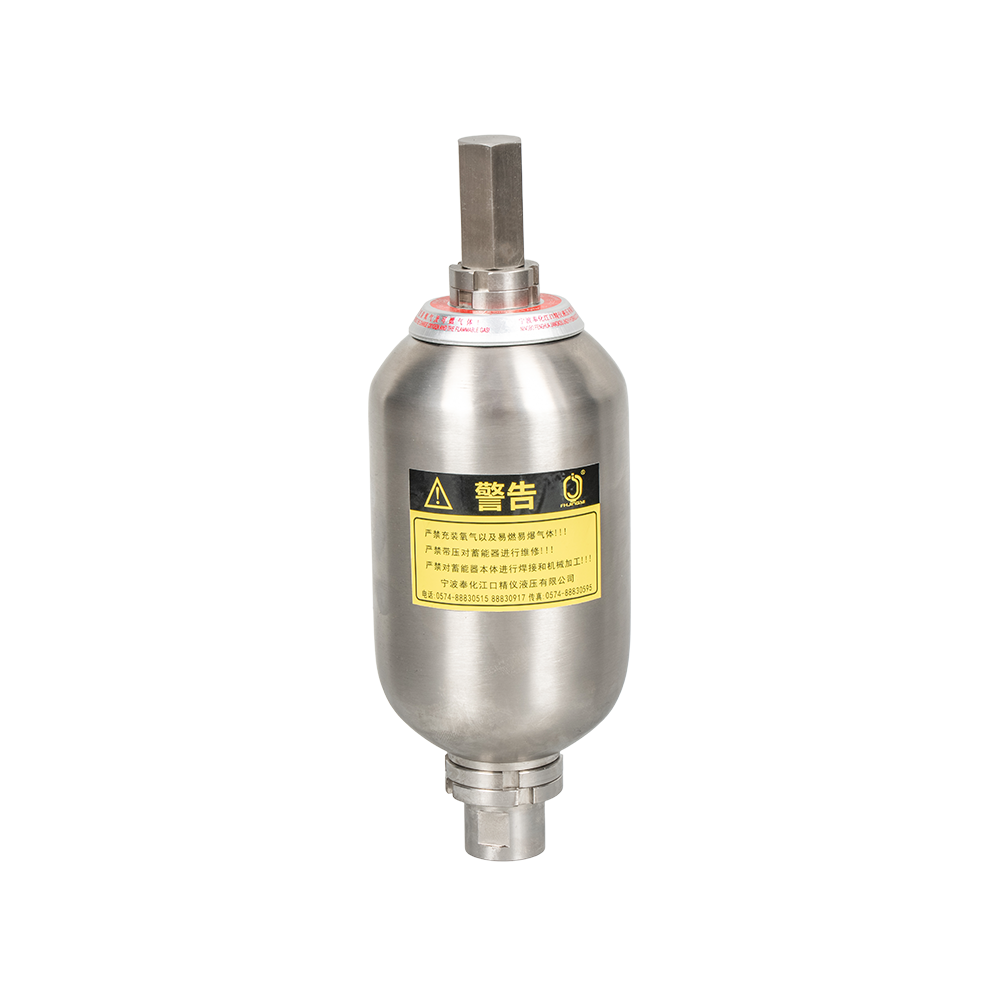
Stainless Steel Bladder Accumulator
Hydraulic Systems
Which Accumulator Type Fits Your Application
Selecting the right accumulator comes down to matching volume, pressure, response speed, and mounting space to the actual duty cycle, not just picking the largest available unit. As an industrial hydraulic accumulator supplier would typically recommend, it helps to run through the following checklist before ordering.
| Selection Factor | Question to Ask | Impact on Choice |
|---|---|---|
| Working pressure | What is the maximum system pressure in bar or MPa | Sets the pressure rating and wall thickness required |
| Required volume | How much fluid must be delivered per cycle | Determines shell size or number of units in a station |
| Cycle frequency | How many charge and discharge cycles per minute | High-cycle duty favors bladder or diaphragm types |
| Fluid compatibility | Mineral oil, water glycol, or fire-resistant fluid | Affects bladder and seal material selection |
| Ambient temperature | Indoor stable temperature or outdoor field equipment | Influences pre-charge pressure and seal grade |
Accumulator Charging Kit and Nitrogen Charging Device Basics
Every accumulator needs periodic nitrogen pre-charging, and the tool used for this job is generally called an accumulator charging kit or nitrogen charging device. A standard nitrogen charging kit connects a dry nitrogen bottle to the accumulator's gas valve through a regulator, hose, and gauge assembly, allowing the technician to add or bleed gas while monitoring pressure in real time.
- Confirm the hydraulic side of the circuit is fully depressurized before touching the gas valve.
- Attach the charging and gauging assembly to the accumulator's gas valve using the correct thread adapter, since valve threads vary by brand and series.
- Connect the nitrogen bottle through a pressure regulator, never charge directly from an unregulated cylinder.
- Open the bottle valve slowly and add gas in small increments, since rapid charging can overheat and damage the bladder or diaphragm.
- Let the pressure stabilize for 10 to 15 minutes, then fine-tune with the bleed valve until the target pre-charge is reached.
- Disconnect, cap the gas valve, and record the pre-charge value and date for the maintenance log.
Only dry nitrogen should ever be used for this process. Compressed air or oxygen must never substitute for nitrogen, because oxygen becomes highly reactive when compressed against hydraulic oil and creates a genuine fire or explosion risk. A reliable gas filling tool with a built-in regulator removes most of the guesswork and protects both the operator and the accumulator during charging.
Maintenance With Accumulator Accessories and Repair Kits
Accumulator accessories extend well beyond charging equipment. Safety shut-off blocks, mounting brackets, gauge adapters, and one-way check valves all support safe, code-compliant installation. On the maintenance side, an accumulator repair kit usually bundles the replacement bladder or diaphragm, seal set, valve core, and O-rings needed for a single service event.
- Bladder and diaphragm elements typically need replacement every three to five years, or sooner in high-cycle, high-temperature service.
- Gas valve cores should be inspected annually for slow leaks, which are a common cause of gradual pre-charge loss.
- Mounting brackets and shut-off blocks should be checked for corrosion and fastener torque during routine hydraulic system inspections.
- Keeping a repair kit in stock for critical accumulators reduces unplanned downtime, since bladder replacement on a properly drained unit usually takes under two hours.
What to Look for in an Accumulator Group Supplier
Because accumulators are pressure vessels, sourcing decisions carry more weight than with ordinary fittings. A dependable accumulator group supplier should be evaluated on a few concrete points rather than price alone.
| Evaluation Point | What to Verify |
|---|---|
| Certification | ASME, PED, or GB pressure vessel compliance for the target market |
| Product range | Bladder, piston, and diaphragm types plus matching charging kits under one roof |
| Testing capability | Factory pressure testing records and third-party witness inspection |
| After-sales support | Availability of repair kits, seals, and technical guidance post-purchase |
| Lead time and stock | Ability to supply standard sizes quickly versus custom build timelines |
Working with a single hydraulic energy storage manufacturer that also produces charging and repair accessories simplifies long-term maintenance, since gauge threads, adapter fittings, and seal specifications stay consistent across the entire product line instead of being pieced together from multiple sources.
PREV: What is Hydraulic Bladder Accumulator?NEXT: Accumulator Charging Kit: Components, Usage & Selection Guide
Related Products
-
-

A Piston Accumulator is a mechanical device that uses the compressibility of a gas (usually nitrogen) to store hydraulic energy. It is widely used in hydraulic systems as an energy regulator. It isola...
See Details -
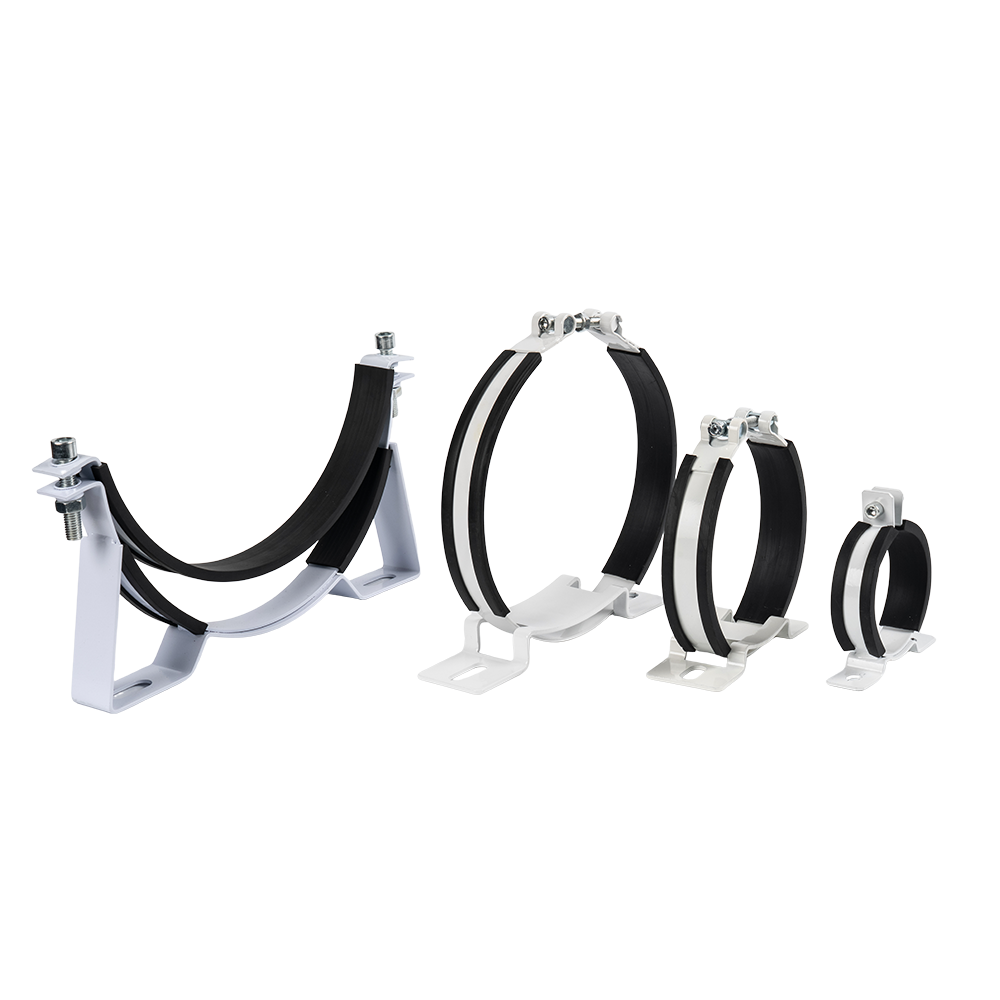
An accumulator clamp is a metal fastener specifically designed for securing and supporting hydraulic or pneumatic accumulators. Its primary function is to prevent the accumulator from swaying, deformi...
See Details -
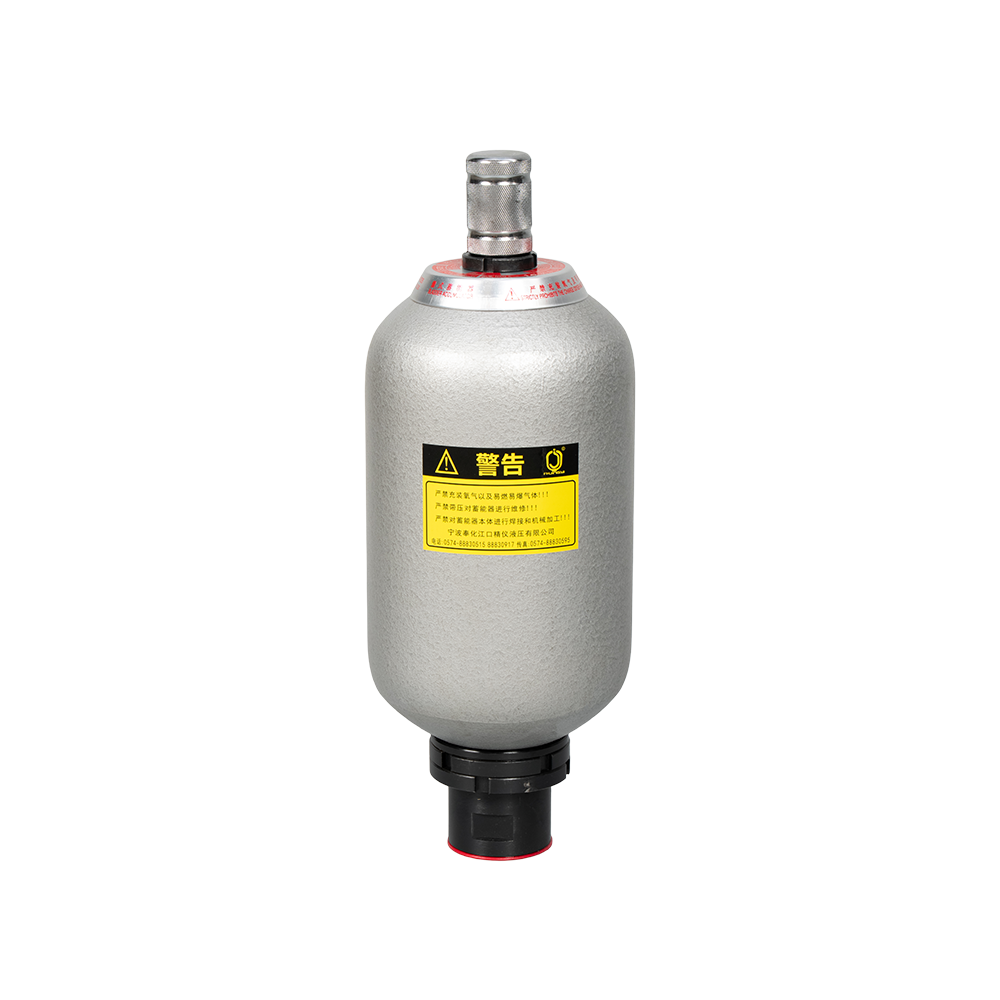
The NXQ Series Bladder Accumulator is a bladder-type accumulator conforming to national standards (JB/T 7036-93) or HG2331. Its core component is the "bladder" or "capsule," hence the name. This serie...
See Details -

PED-type bladder accumulators refer to bladder accumulators that comply with the EU PED Directive (2014/68/EU). These accumulators typically consist of a steel outer shell and an internal elastic blad...
See Details -

A stainless steel bladder accumulator is an energy storage device used in hydraulic systems. It utilizes the compressibility of a gas (usually nitrogen) to store and release energy, primarily for stab...
See Details
News
-
A hydraulic bladder accumulator is a pressure vessel that stores hydraulic energy by using a flexible rubber bladder to separate pressurized nitrogen gas from hydraulic fluid. As an industrial hydraulic accumu...
READ MORE -
An accumulator is a pressure storage device used in hydraulic systems to store energy in the form of pressurized fluid and release it on demand. It works by separating a pre-charged nitrogen gas from hydraulic...
READ MORE -
A piston accumulator is a hydraulic energy storage vessel that uses a free-moving piston to separate compressed nitrogen gas from hydraulic fluid inside a steel cylinder. When system pressure rises, oil pushe...
READ MORE -
Quick Answer An Accumulator Nitrogen Charging Kit is a portable set of tools — hose, control valve, gauge, and adapter — used to fill a hydraulic accumulator with dry nitrogen gas and to verify that the pre-cha...
READ MORE -
A bladder accumulator station is a pre-engineered hydraulic energy storage skid that groups several bladder accumulators onto one mounting frame together with a control valve group, ball valves, safety stop v...
READ MORE -
Piston accumulators separate gas and fluid with metal pistons. They feature strong pressure resistance and a wide range of volume options, enabling high-pressure energy storage and long-term pressure maintenanc...
READ MORE
contact us

-

-

Mobile: +86-574-88830515
-

Telephone: +86-15968431761
-

No. 12 Xujiabu, Xikou Town, Fenghua District, Ningbo City, Zhejiang Province, P.R.China