
 Español
 中文简体
中文简体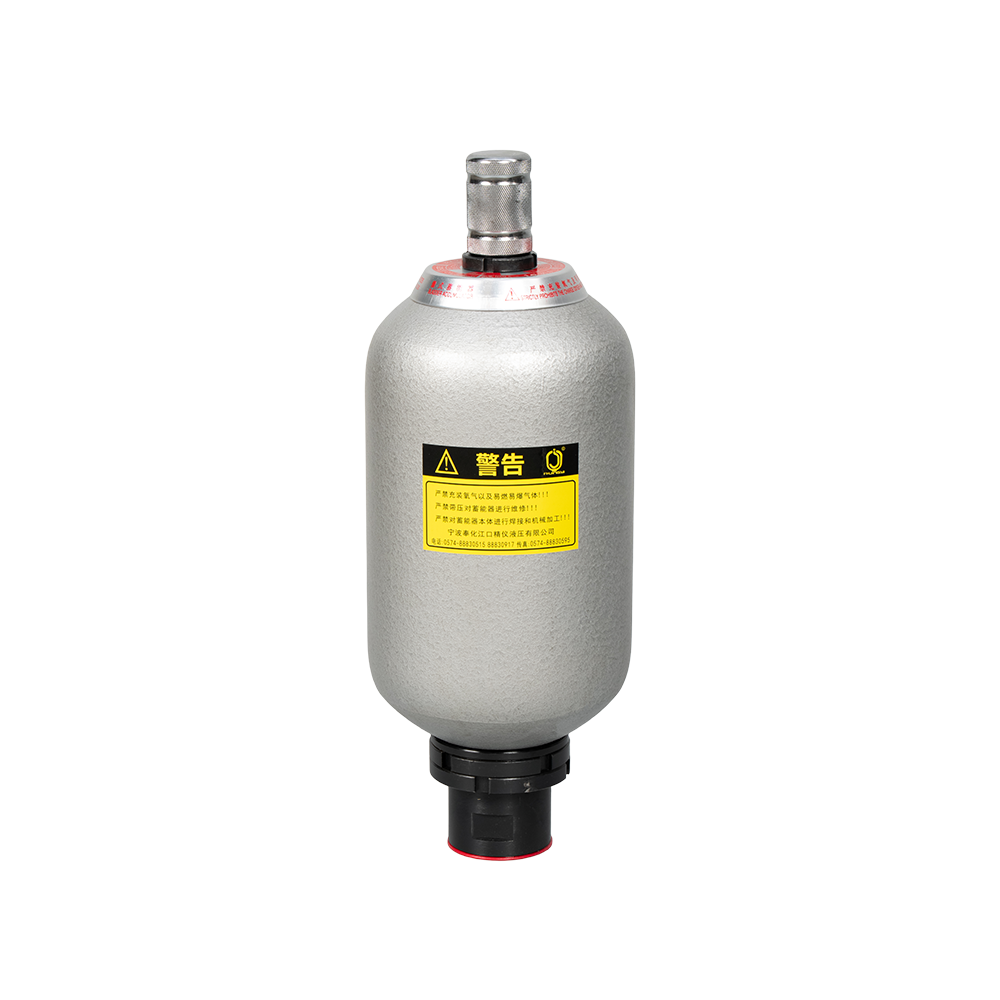
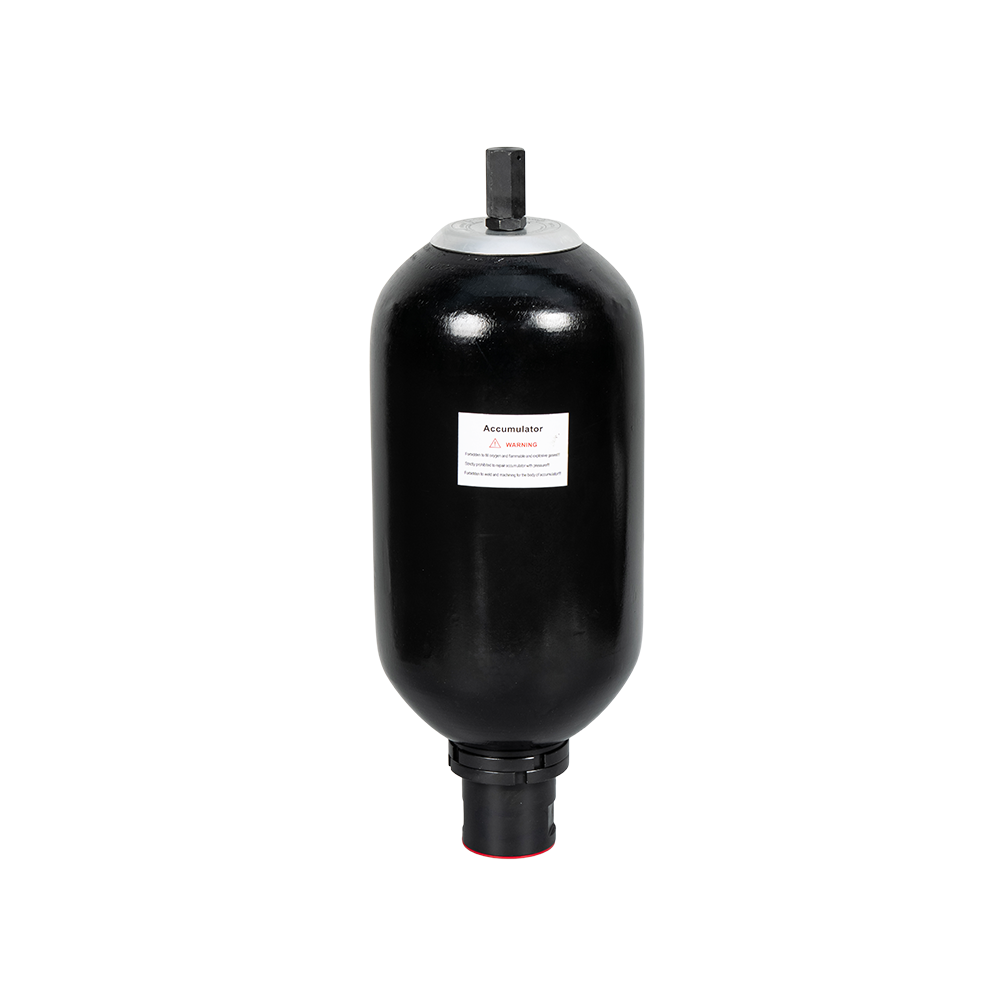
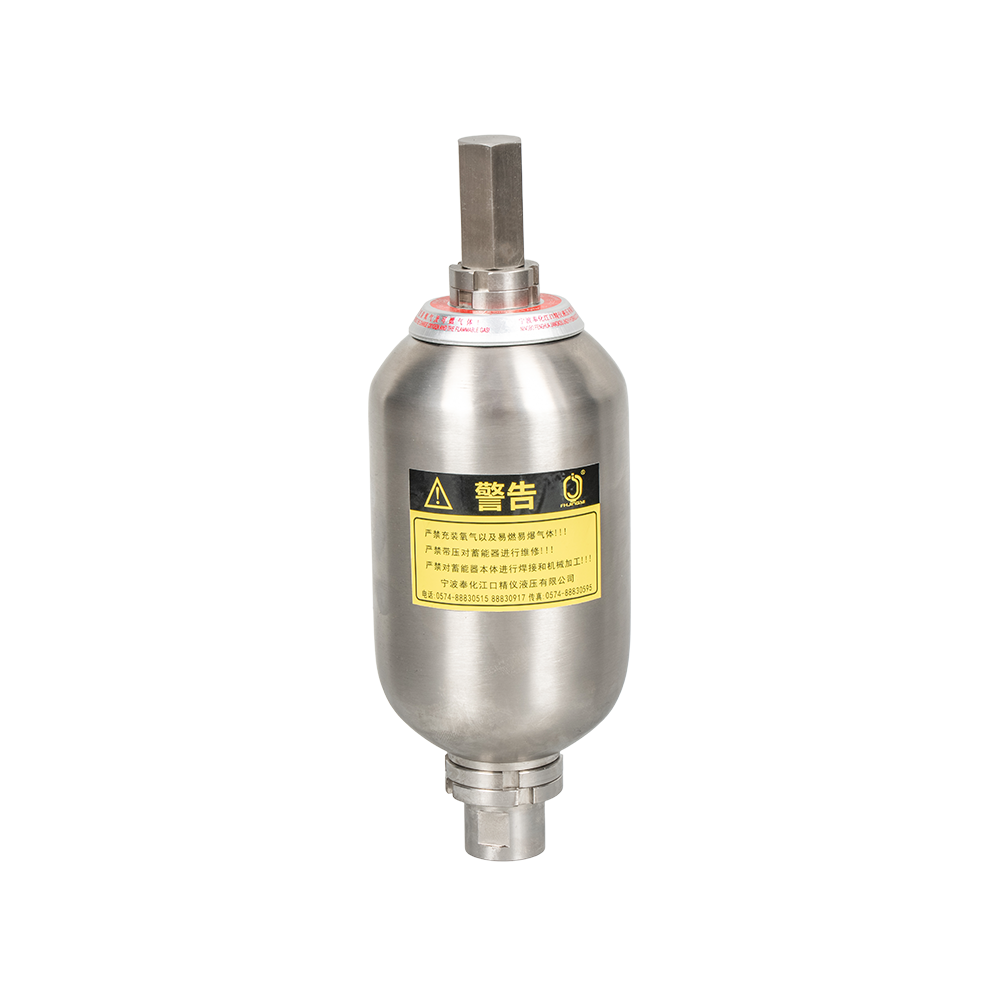
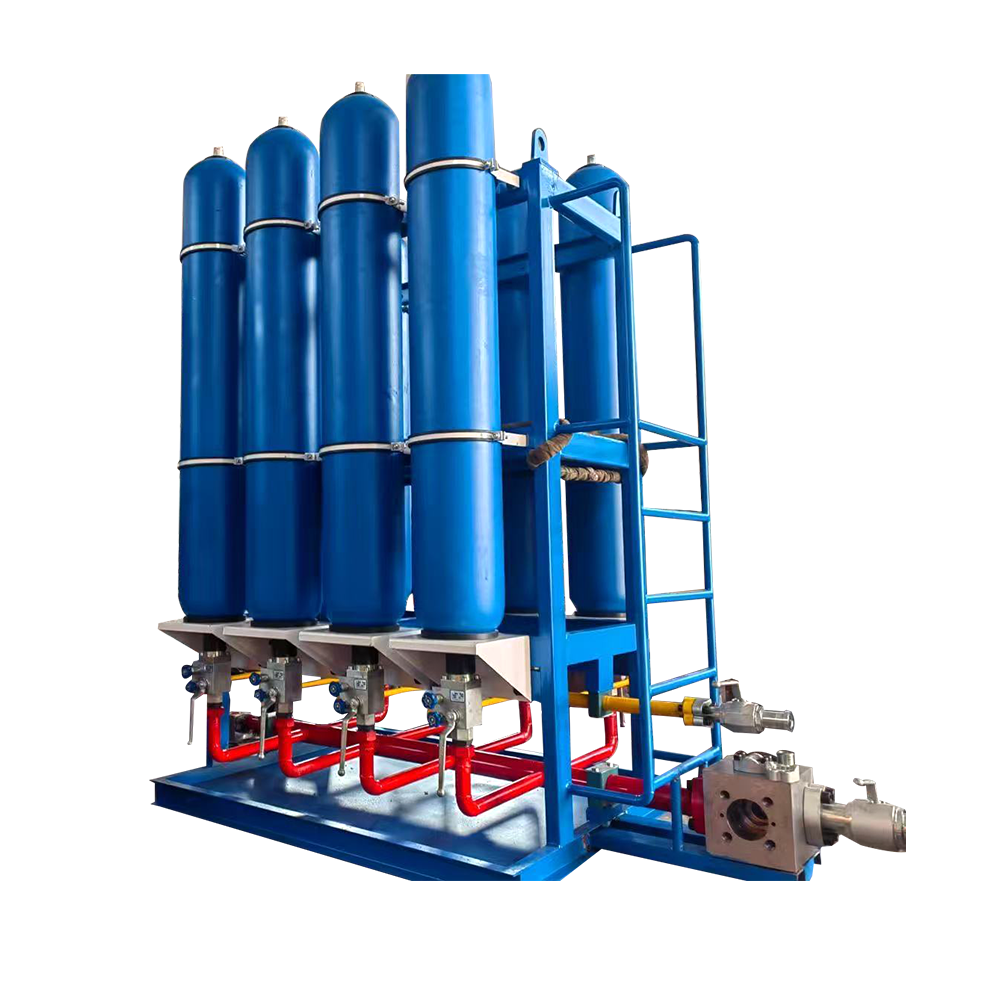
JINGYI Hydraulic Corporation offers a series of full-bladder accumulator stations, which include a fixed bolster, bag-type accumulator, a control valve group, ball valve, pipeline, oil return pipe, et...
See Details
What is Hydraulic Bladder Accumulator?
Admin 2026-07-10Content
- 1 What a Bladder Accumulator Does in a Hydraulic Circuit
- 2 Charging and Discharge Cycle Explained
- 3 Common Applications for Energy Storage Accumulators
- 4 Featured Bladder Accumulator and Bladder Product Range
- 5 Standard Bladder Accumulator Specifications
- 6 How to Size an Accumulator for Your System
- 7 Installation, Nitrogen Charging, and Maintenance
- 8 Choosing a Bladder Accumulator Manufacturer
- 9 Frequently Asked Questions
A hydraulic bladder accumulator is a pressure vessel that stores hydraulic energy by using a flexible rubber bladder to separate pressurized nitrogen gas from hydraulic fluid. As an industrial hydraulic accumulator, it absorbs pressure spikes, dampens pump pulsation, and releases stored fluid on demand to keep a hydraulic circuit stable. Below, this guide breaks down how the standard bladder accumulator works, where it fits in a hydraulic energy storage system, how to size and maintain one, and what to check when comparing a bladder accumulator manufacturer or accumulator group supplier.
What a Bladder Accumulator Does in a Hydraulic Circuit
Inside the shell, dry nitrogen fills the bladder at a pre-set charge pressure. When hydraulic fluid enters through the bottom port, it compresses the bladder and the gas inside it, converting pump energy into stored potential energy. When system pressure drops, the compressed nitrogen expands and pushes the stored fluid back into the circuit. This gas-to-fluid exchange happens with very low mechanical inertia, which is why the bladder accumulator reacts almost instantly to pressure changes compared with a piston accumulator or diaphragm accumulator of similar volume.
An anti-extrusion poppet valve sits at the fluid port and closes automatically once the bladder is fully discharged, preventing the bladder material from being pushed into the opening and torn. This single design detail is the main reason bladder-type pressure vessel accumulators need less maintenance than older accumulator designs.
Charging and Discharge Cycle Explained
| Charging phase | Hydraulic fluid pushes into the accumulator, the bladder shrinks, and nitrogen is compressed. Stored energy rises as circuit pressure rises. |
| Discharge phase | When pump output falls behind demand, the compressed gas expands and forces fluid back into the line, maintaining pressure without pump assistance. |
| Pre-charge pressure | Set between 60 percent and 90 percent of the system minimum working pressure; this window defines the accumulator usable capacity. |
| Anti-extrusion poppet | Closes the fluid port once the bladder is fully expanded, protecting the bladder from the port edge during rapid discharge. |
Common Applications for Energy Storage Accumulators
- Pulsation damping — smooths pressure ripples from piston and diaphragm pumps, protecting downstream valves and gauges.
- Emergency power reserve — supplies enough stored fluid to close a safety valve, retract an actuator, or complete a cycle after a sudden pump or power failure.
- Thermal expansion compensation — absorbs pressure rises caused by heat build-up in a closed hydraulic loop, common in pipelines and refineries.
- Constant pressure holding — offsets slow leakage through seals and joints in clamping systems, curing presses, and machine tools.
- Shock and water hammer suppression — cushions the pressure spike created by rapid valve closure in fluid distribution lines.
- Mechanical shock absorption — softens jolts in mobile hydraulics such as forklifts, cranes, and agricultural machinery suspension circuits.
- Fluid separation barrier — keeps two incompatible fluids apart while still transferring pressure between them.
Featured Bladder Accumulator and Bladder Product Range
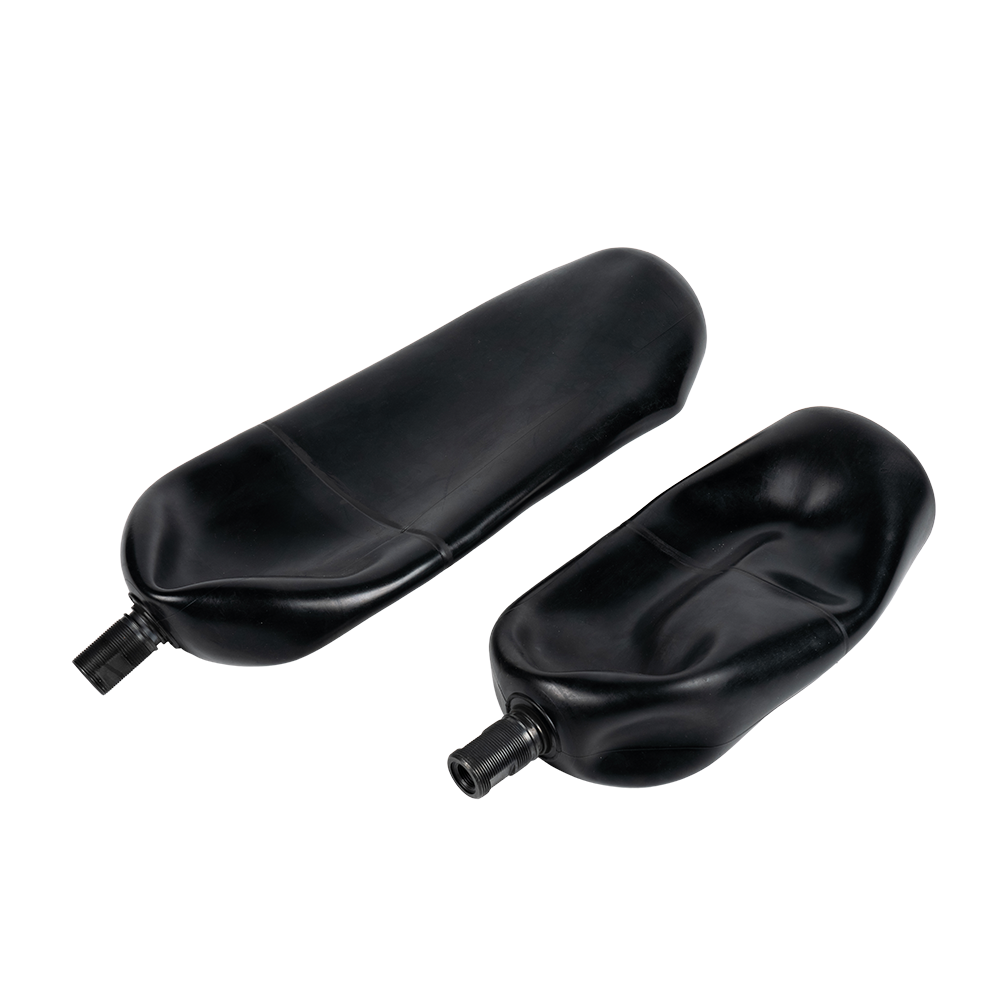
A closer look at standard bladder accumulator models and matching accumulator bladder replacement parts, built to different pressure codes and shell materials.
Standard Bladder Accumulator Specifications
| Nominal volume | 0.16 L up to 200 L, larger custom volumes available on request |
| Max working pressure | Up to 350 bar; shell in carbon steel or 316L stainless steel accumulator construction |
| Bladder material | NBR, ECO, IIR, or FKM, matched to the hydraulic fluid in use |
| Operating temperature | Minus 10 Celsius to plus 80 Celsius with standard NBR; wider range with FKM bladder |
| Gas charge | Dry nitrogen at 99.8 percent purity or higher; oxygen and compressed air are never used |
| Certification | CE certified accumulator options available under the EU Pressure Equipment Directive, PED type |
A stainless steel bladder accumulator is typically specified for food, marine, or offshore hydraulic systems where corrosion resistance matters more than raw pressure rating, while a carbon-steel PED type bladder accumulator covers most industrial hydraulic accumulator applications at lower cost.
How to Size an Accumulator for Your System
Correct sizing depends on six working parameters that any hydraulic accumulator supplier should ask about before recommending a model.
- Working pressure range — minimum and maximum system pressure, always kept below the accumulator's rated working pressure.
- Working volume — the fluid volume that must be stored or delivered during each cycle.
- Working medium — nitrogen paired with mineral oil or emulsion in most cases; special media should be discussed with the manufacturer first.
- Working temperature — determines bladder elastomer choice and pre-charge adjustment.
- Maximum flow rate — influences the size of the accumulator connection port.
- Installation location — affects design code and test requirements for the finished pressure vessel accumulator.
| Fluid power storage | Pre-charge pressure set between 25 percent of max pressure and 90 percent of min pressure |
| Pulsation damping | Pre-charge pressure around 60 percent of average operating pressure |
| Emergency energy reserve | Pre-charge pressure around 90 percent of minimum working pressure |
| Thermal compensation | Pre-charge pressure close to, or slightly below, the closed circuit's minimum pressure |
Installation, Nitrogen Charging, and Maintenance
Mount the accumulator vertically with the gas valve upright, and leave clear access for inspection. Fix it firmly to a bracket or wall using an accumulator mounting bracket rather than welding, which is never permitted on the pressure shell. Place a check valve between the pump and the accumulator to stop reverse flow when the motor stops, and add a shut-off valve so the unit can be isolated for gas charging or long-term storage.
Only a dedicated nitrogen charging device or accumulator charging kit should be used to fill the bladder, and the gas must always be dry nitrogen, never oxygen or compressed air. Charge slowly to avoid stressing the bladder. A basic gas filling tool doubles as a pressure checker, letting technicians verify pre-charge without fully venting the accumulator.
Inspection schedule: check pre-charge weekly during the first month, monthly for the following five months, then every six months once the system is proven stable. If the accumulator stops responding, check the bladder condition before assuming the shell has failed — most field failures trace back to a worn bladder that a standard accumulator repair kit can replace without removing the whole unit.
| Before debugging | Purge trapped air from the pipeline before the accumulator is put into service |
| Above 10 L capacity | Fit an accumulator safety valve on the oil inlet line |
| Before every start-up | Confirm nitrogen pressure is within the specified pre-charge range |
| Gas type | Oxygen and any flammable gas are strictly prohibited due to explosion risk |
Choosing a Bladder Accumulator Manufacturer
Not every accumulator group supplier carries the same manufacturing qualifications. Look for a bladder accumulator manufacturer holding a Special Equipment Manufacturing License for pressure vessels and EU CE certification, since these confirm the shells are built and tested under a recognized quality system rather than assembled without traceable inspection records. A supplier producing the full range — standard bladder accumulator, diaphragm accumulator, piston accumulator, bladder accumulator station, plus accumulator charging kit and accumulator accessories such as replacement bladders and brackets — also simplifies sourcing spare parts later, since the accumulator bladder, seals, and gas valve core all come from a single accumulator repair kit compatible with the original unit. The same manufacturer group typically produces high pressure valves and other hydraulic valves, useful when a project needs matched check valves and safety valves alongside the accumulator itself.
Frequently Asked Questions
Bladder accumulator versus piston accumulator: which responds faster?
A standard bladder accumulator responds faster because the bladder has far less mass to move than a piston, making it the better choice for pulsation damping. Its trade-off is a narrower usable pressure ratio, typically around 4 to 1 between maximum and minimum pressure, while a piston accumulator tolerates wider ratios and higher flow rates at the cost of slower response.
How often should the nitrogen pre-charge be checked?
Under normal duty, check every six to twelve months. High-cycle or high-temperature systems should be checked quarterly, always using a dedicated nitrogen charging device rather than shop air.
Can the bladder be replaced without buying a new accumulator?
Yes. Provided the shell and fluid port are undamaged, the bladder, seals, and valve core can be swapped in the field with a matching accumulator repair kit, which costs a fraction of a full replacement unit.
Related Products
-
-

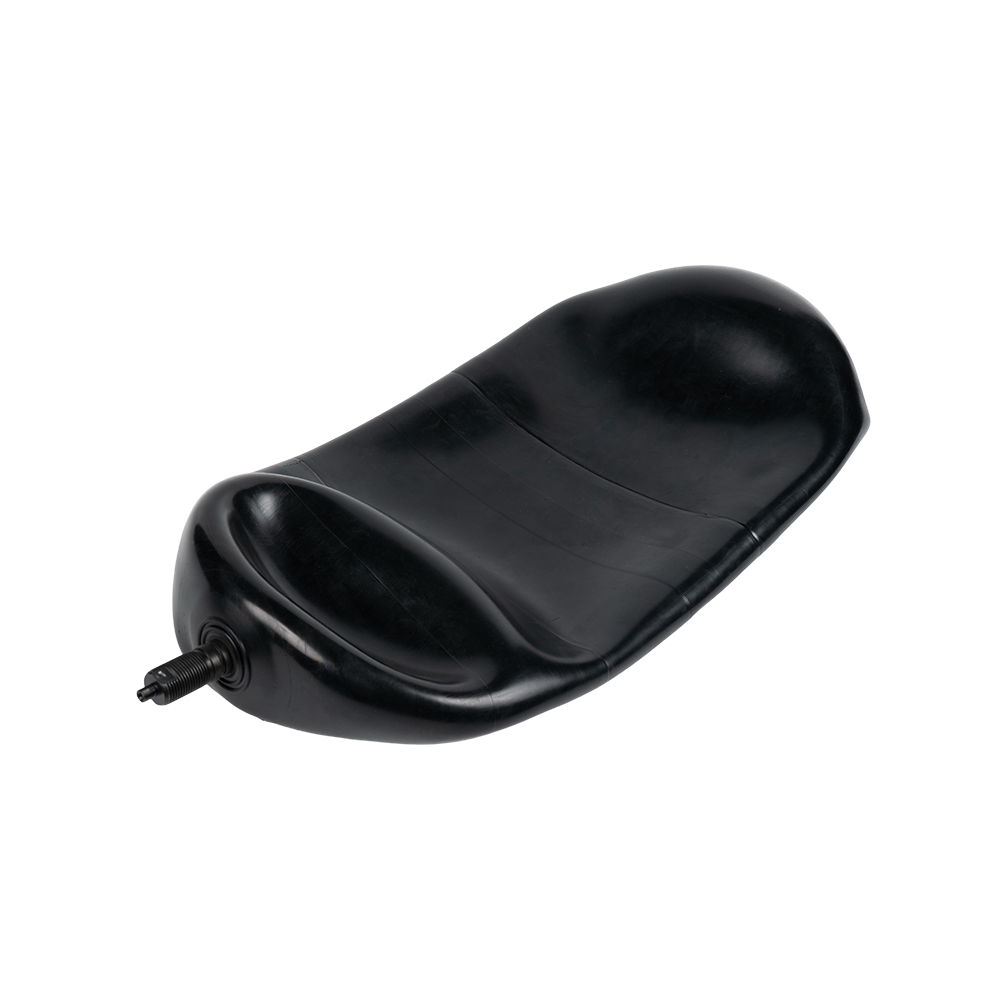
The NXQ Series Bladder Accumulator is a bladder-type accumulator conforming to national standards (JB/T 7036-93) or HG2331. Its core component is the "bladder" or "capsule," hence the name. This serie...
See Details -

PED-type bladder accumulators refer to bladder accumulators that comply with the EU PED Directive (2014/68/EU). These accumulators typically consist of a steel outer shell and an internal elastic blad...
See Details -

A stainless steel bladder accumulator is an energy storage device used in hydraulic systems. It utilizes the compressibility of a gas (usually nitrogen) to store and release energy, primarily for stab...
See Details -
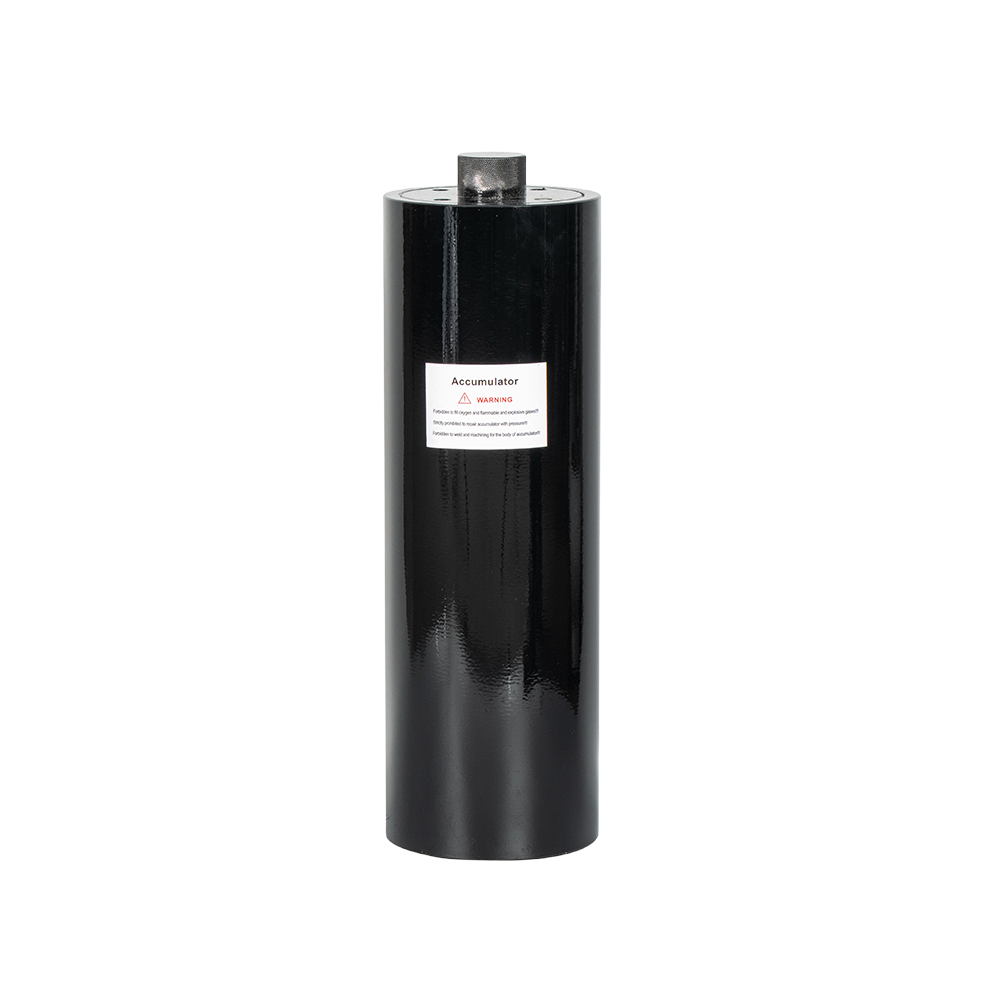
A Piston Accumulator is a mechanical device that uses the compressibility of a gas (usually nitrogen) to store hydraulic energy. It is widely used in hydraulic systems as an energy regulator. It isola...
See Details -

The NXQ Series Accumulator Bladder is a critical energy storage element in hydraulic systems, primarily responsible for absorbing energy fluctuations and releasing energy to smooth system operation.
See Details
News
-
Bladder accumulators use rubber bladders to separate gas and fluid. They feature fast response and good sealing performance, effectively absorbing pressure pulsations and compensating flow. Suitable for medium ...
READ MORE -
A piston accumulator is a hydraulic energy storage vessel that uses a free-moving piston to separate compressed nitrogen gas from hydraulic fluid inside a steel cylinder. When system pressure rises, oil pushe...
READ MORE -
A hydraulic accumulator is a pressure vessel that stores hydraulic energy by compressing nitrogen gas against incompressible hydraulic fluid, then releases that stored energy back into the circuit whenever th...
READ MORE -
The maintenance log on a small clamping circuit shows the same pattern twice a year: a bladder accumulator loses its nitrogen pre-charge, the pump cycles every few seconds, and the standard bladder kit no long...
READ MORE -
Every hydraulic system has a moment when demand exceeds supply. A molding press calls for a sudden surge of fluid; a wind turbine pitch drive needs a short burst of power; a hydraulic rig requires emergency pr...
READ MORE -
Imagine a machine that needs a short burst of high flow for only five seconds out of every forty-second cycle. If the pump is sized for that peak, the rest of the time it runs oversized, generates unnecessary ...
READ MORE
contact us

-

-

Mobile: +86-574-88830515
-

Telephone: +86-15968431761
-

No. 12 Xujiabu, Xikou Town, Fenghua District, Ningbo City, Zhejiang Province, P.R.China