Understanding the Role of an Accumulator in Industrial Systems
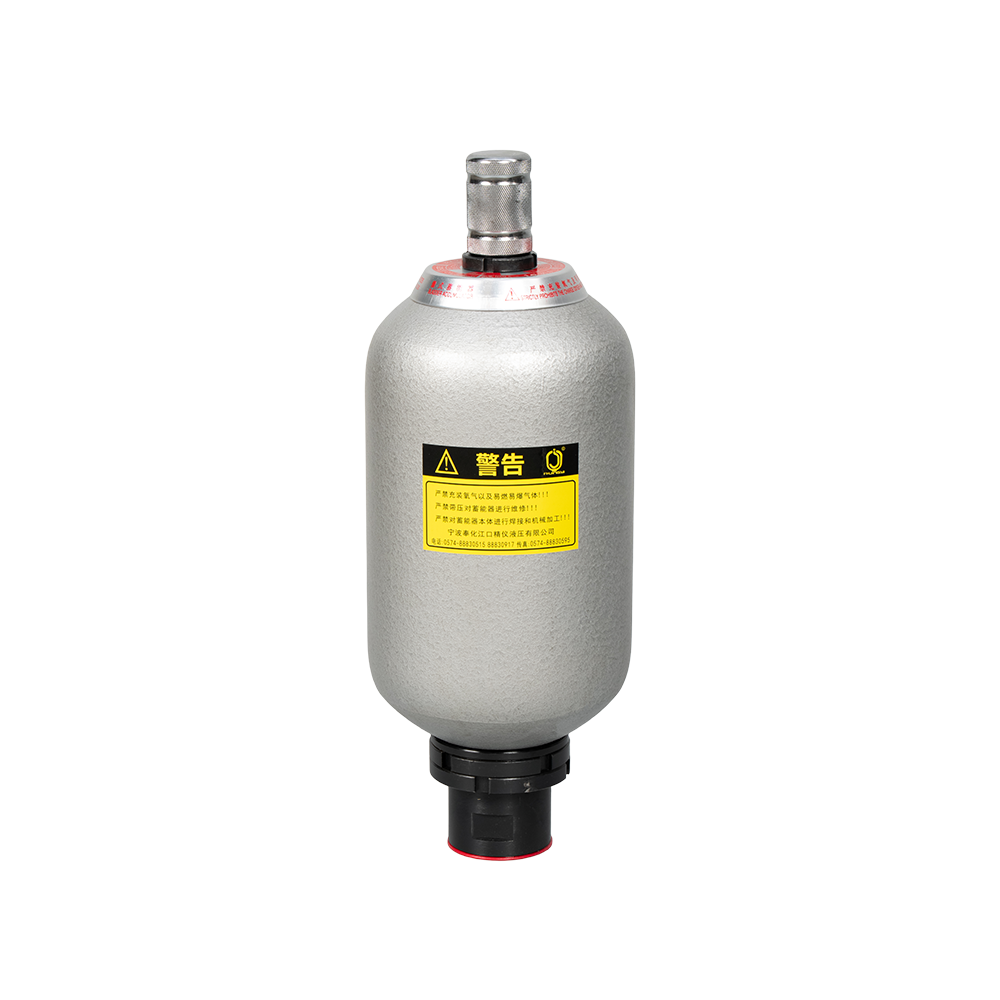
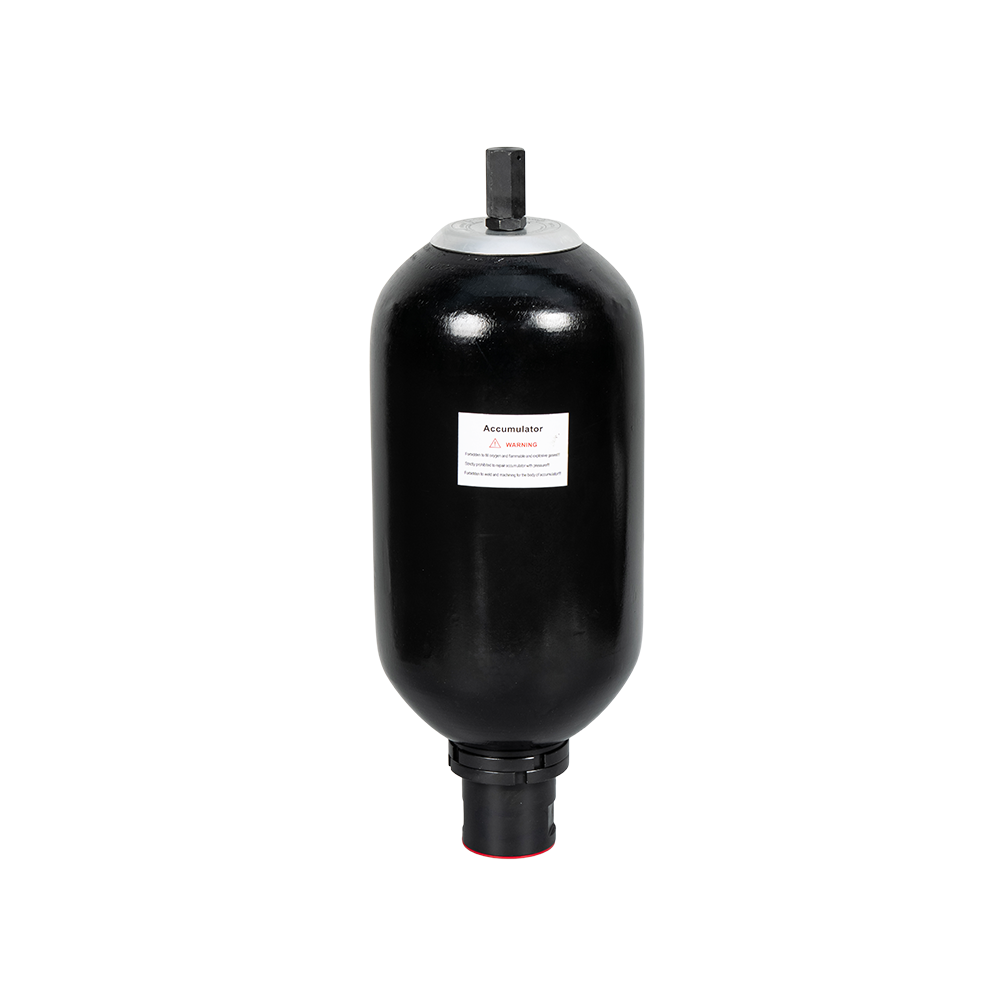
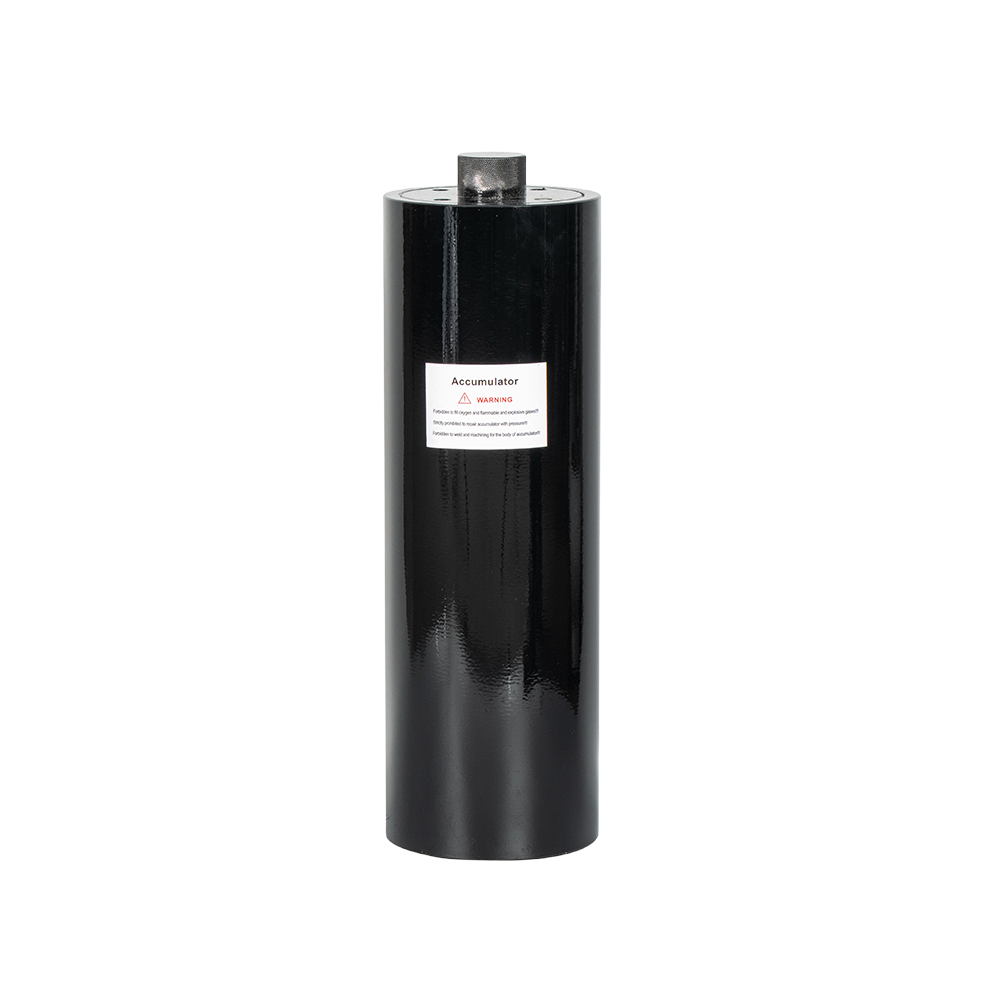
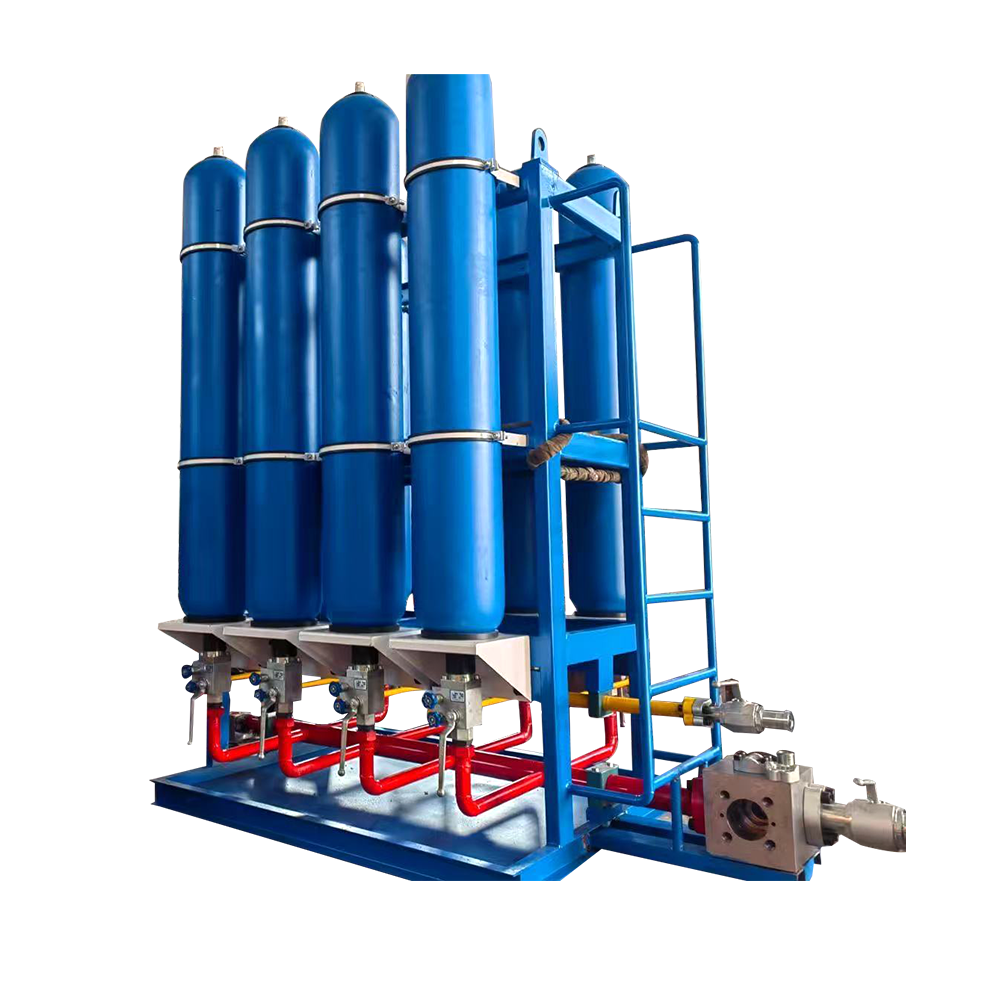
An accumulator is a sealed pressure vessel that stores hydraulic fluid under pressure and releases it when the system needs extra flow or pressure support. As a core piece of Hydraulic Energy Storage equipment, it bridges the gap between what a pump can continuously supply and what the actual load momentarily demands. In factories and heavy machinery, an Industrial Hydraulic Accumulator is rarely a standalone device; it works in tandem with pumps, valves, and cylinders to keep pressure steady, absorb shocks, and reduce energy waste.
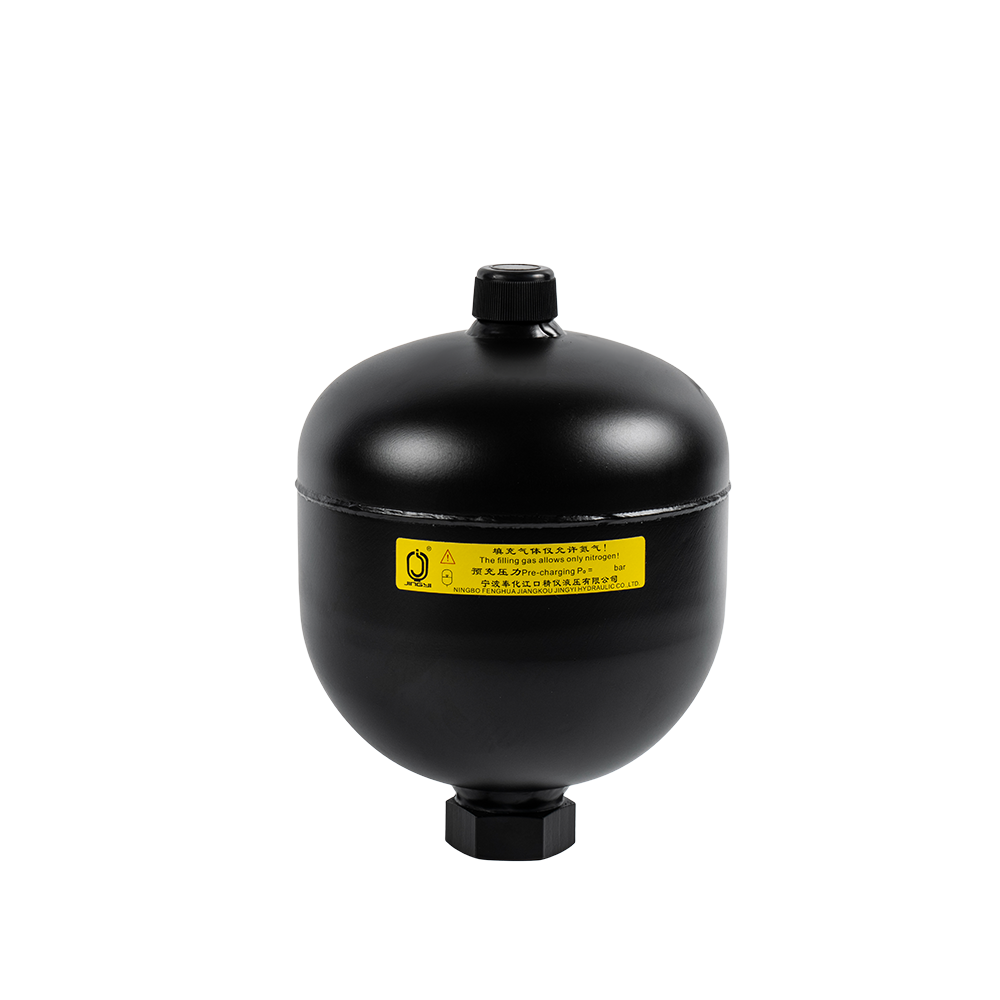
Depending on the application, an accumulator can be configured as bladder-type, piston-type, or diaphragm-type, each suited to different pressure ranges, response speeds, and installation spaces.
How an Accumulator Stores and Releases Energy
Most industrial accumulators are pre-charged with nitrogen gas, separated from the hydraulic fluid by a piston, bladder, or diaphragm. When the pump output exceeds the system's immediate demand, fluid flows into the accumulator and compresses the gas, storing energy as gas pressure. When the load suddenly increases or the pump output drops momentarily, the compressed gas expands and pushes the stored fluid back into the circuit.
Three Operating Phases
- Charging: fluid enters the accumulator and compresses the gas
- Holding: pressure stabilizes and energy remains stored
- Discharging: gas expansion pushes fluid out during a pressure drop or peak demand
Why Industrial Hydraulic Accumulators Improve System Efficiency
Adding an accumulator to a hydraulic circuit allows the pump to be sized for average demand rather than peak demand, which can lower installed pump power by 20% to 30% in cyclic applications such as presses and injection molding machines. It also smooths out pressure spikes that would otherwise stress seals, hoses, and valves, extending component service life.
Common accumulator types and their typical industrial roles
| Type |
Response Speed |
Best Suited For |
| Bladder-type |
Fast |
Pulsation damping, shock absorption |
| Piston-type |
Moderate |
Large-volume energy storage, high pressure |
| Diaphragm-type |
Fast |
Compact systems, low-volume stabilization |
Choosing a Reliable Accumulator Supplier
Because an accumulator is classified as a pressure vessel, its manufacturing quality directly affects operator safety and equipment uptime. Buyers should verify rated working pressure, certified manufacturing licenses, and consistent quality control from raw materials to finished products before specifying a supplier.
Ningbo Fenghua Jiangkou Jingyi Hydraulic Co., Ltd., founded in 2012 and located in Xikou Town, Fenghua District, Ningbo City, Zhejiang Province, is a national high-tech enterprise specializing in hydraulic and pneumatic components, with core products covering various accumulators, hydraulic parts, and pneumatic components. The company covers a workshop area of more than 5,000 square meters and holds the Special Equipment Manufacturing License (Grade A2 for Pressure Vessels) issued by the Zhejiang Administration for Market Regulation, along with EU CE certification, giving it the qualifications needed to manufacture high-pressure accumulators for both domestic and overseas markets.
Key Specifications to Confirm Before Purchase
- Rated working pressure and burst pressure margin
- Effective gas volume relative to peak flow demand
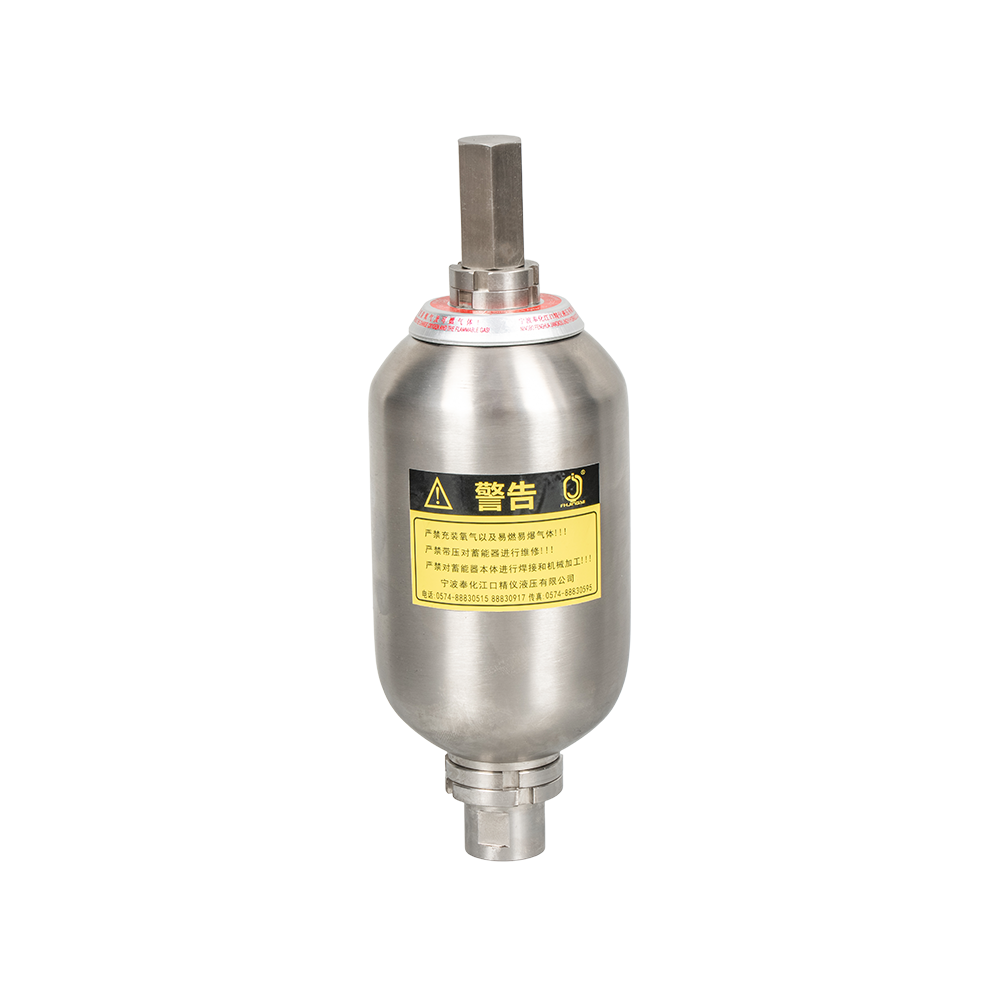
- Shell material and corrosion resistance for the operating environment
- Valid pressure vessel manufacturing certification
Frequently Asked Questions
Q1: What is the main purpose of an accumulator in a hydraulic system?
Its main purpose is to store hydraulic energy during low-demand periods and release it during peak demand, while also damping pressure pulses and absorbing shocks.
Q2: How often should an Industrial Hydraulic Accumulator be inspected?
Pre-charge pressure should typically be checked every 3 to 6 months, with more frequent checks for high-cycle or high-temperature applications.
Q3: Can Hydraulic Energy Storage replace a backup pump entirely?
Not entirely. An accumulator can provide short-term emergency flow, but it cannot sustain continuous operation the way a pump can, so the two are typically used together.
Q4: Why does accumulator manufacturing require special certification?
Because accumulators operate as pressure vessels under high internal pressure, manufacturers must hold pressure vessel manufacturing licenses and relevant international certifications to ensure safe design, fabrication, and use.

 Español
 中文简体
中文简体