
 Español
 中文简体
中文简体The 5/8 UNF Charging kit is a high-pressure tool specifically designed for charging or filling hydraulic systems (such as accumulators) with nitrogen or gas. "UNF" refers to the thread specification o...
See Details
Accumulator Charging Kit: Components, Usage & Selection Guide
Admin 2026-06-23Content
- 1 What Is an Accumulator Charging Kit and What Does It Do?
- 2 Why Correct Accumulator Pre-Charge Pressure Is Critical
- 3 Key Components Included in an Accumulator Charging Kit
- 4 Types of Hydraulic Accumulators and Kit Compatibility
- 5 Step-by-Step: How to Use an Accumulator Charging Kit
- 6 Safety Rules That Must Be Followed During Accumulator Charging
- 7 How to Select the Right Accumulator Charging Kit for Your Application
- 8 Common Accumulator Charging Problems and How to Diagnose Them
- 9 Accumulator Charging Kits from JingYi Hydraulic
What Is an Accumulator Charging Kit and What Does It Do?
An accumulator charging kit is a specialized set of tools used to safely charge, check, and adjust the nitrogen gas pre-charge pressure inside hydraulic accumulators. At its core, the kit connects a dry nitrogen supply cylinder to the gas valve of a bladder, piston, or diaphragm accumulator, allowing a technician to introduce, monitor, and release nitrogen at precise pressure levels. Without the correct pre-charge pressure, an accumulator cannot perform its intended function—whether that is energy storage, pressure surge dampening, emergency backup flow, or pulsation reduction—and the consequences range from degraded system efficiency to accelerated component wear or catastrophic failure.
In practical terms, a complete accumulator charging kit gives maintenance personnel a single, portable, self-contained toolset to commission new accumulators, perform routine pre-charge verification, and re-charge units that have lost nitrogen over time—all without requiring custom-fabricated fittings or improvised connections that compromise safety.
Why Correct Accumulator Pre-Charge Pressure Is Critical
The nitrogen pre-charge pressure (P0) is the foundation of every hydraulic accumulator's operating envelope. It determines the minimum and maximum hydraulic pressures between which the accumulator can accept and release fluid energy. If P0 deviates from the design specification, the effects are immediate and measurable:
Consequences of Under-Charging
When P0 is too low, the accumulator accepts fluid too easily and reaches its minimum volume too quickly. The bladder or diaphragm contacts the fluid port poppet valve repeatedly during each cycle, causing accelerated wear and ultimately rupture of the flexible element. The accumulator also fails to provide adequate backup flow during a pump failure or pressure drop, undermining its protective function.
Consequences of Over-Charging
When P0 is too high, the gas pressure prevents fluid from entering the accumulator until system pressure exceeds P0, effectively removing the accumulator from the circuit at lower operating pressures. Over-pressure also stresses the bladder, seals, and shell, shortening service life and creating a potential pressure vessel hazard.
The Importance of Regular Pre-Charge Verification
As a general maintenance guideline, accumulator pre-charge pressure should be checked every 6 to 12 months under normal operating conditions, with more frequent checks warranted for high-cycle applications, extreme temperature environments, or after any system pressure event such as a relief valve actuation or hydraulic shock. Piston accumulators typically retain pre-charge longer than bladder or diaphragm types due to lower gas permeation through metal-to-metal sealing surfaces.
Key Components Included in an Accumulator Charging Kit
A well-specified accumulator charging kit contains every component needed for safe and accurate nitrogen charging in a single portable package. Understanding what each component does helps in both selecting the right kit and using it correctly.
Charging Block / Charging Tool Shell
The charging block is the central manifold of the kit. It houses the internal passages connecting the pressure gauge, the bleed valve, and the accumulator gas valve port. The block must be rated for the maximum working pressure of the system—quality kits are typically rated to 400 bar (5,800 psi) to cover the full range of industrial hydraulic accumulator applications. The charging block connects directly to the accumulator gas valve via a threaded adapter.
Precision Pressure Gauge
The pressure gauge displays the current nitrogen pre-charge pressure in real time. Professional-grade kits use glycerin-filled gauges, which dampen needle oscillation caused by pressure pulsations and protect the gauge movement from vibration damage. Gauges are calibrated in both bar and psi for international compatibility. Some advanced kits provide two gauges—one for the nitrogen supply line and one for the accumulator side—allowing simultaneous monitoring of both pressures during charging.
High-Pressure Nitrogen Charging Hose
The charging hose connects the kit to the nitrogen supply cylinder. It must be constructed from reinforced, pressure-rated materials compatible with high-pressure dry nitrogen. A typical kit includes a hose of approximately 2 metres (about 8 feet) in length, which provides working room around the accumulator without requiring the nitrogen cylinder to be positioned immediately adjacent to it. The hose rated pressure matches or exceeds the charging block rating.
Gas Bottle Adapter
The gas bottle adapter connects the charging hose to the nitrogen supply cylinder. Thread standards vary by region—the most common international nitrogen cylinder connection is CGA 580 (used predominantly in North America) and W21.8 × 1/14" (used in Europe and many other regions). Universal kits include adapters for both connection standards, ensuring the kit can be used with nitrogen cylinders available in different markets without requiring additional fittings.
Accumulator Gas Valve Adapters
Accumulators from different manufacturers use different gas valve configurations. A universal charging kit includes a set of interchangeable adapters to cover the most common gas valve types, including:
- 5/8"-18 UNF female connection (common on North American bladder accumulators)
- M28 × 1.5 male thread (common on European accumulators)
- 7/8"-14 UNF (used on certain piston accumulator designs)
- Schrader valve (Vg8) adapter for accumulators equipped with automotive-style valve cores
- M16 × 2 metric thread adapters for specialized accumulator designs
Manual Bleed Valve
The bleed valve allows controlled, deliberate release of nitrogen from the accumulator when the pre-charge pressure needs to be reduced or when the accumulator must be fully depressurized for service. A T-handle bleed valve provides the tactile control needed to release gas gradually rather than in a sudden burst. Never attempt to disconnect the charging kit from an accumulator without first bleeding pressure through this valve.
Protective Carry Case
A formed protective case—typically plastic or aluminum—keeps all kit components organized, protected from physical damage and contamination, and portable. Well-designed cases include labeled cutouts for each component so missing items are immediately visible before work begins.
| Component | Function | Key Specification |
|---|---|---|
| Charging Block | Central manifold connecting all components | Typically rated to 400 bar / 5,800 psi |
| Pressure Gauge | Displays current pre-charge pressure | Glycerin-filled; dual scale (bar/psi) |
| High-Pressure Hose | Connects kit to nitrogen supply cylinder | ~2 m length; pressure-rated reinforced construction |
| Gas Bottle Adapter | Connects hose to nitrogen cylinder | CGA 580 or W21.8 × 1/14" (region-dependent) |
| Gas Valve Adapters | Interface with accumulator gas valve | Multiple thread standards for universal compatibility |
| Manual Bleed Valve | Controlled nitrogen release / depressurization | T-handle for tactile control; essential safety feature |
| Protective Carry Case | Storage, transport, and component organization | Labeled cutouts; dust and impact protection |
Types of Hydraulic Accumulators and Kit Compatibility
Accumulator charging kits are designed for use with all three main hydraulic accumulator types. Understanding the differences helps confirm that the kit's adapters and pressure range match the specific accumulator being serviced.
Bladder Accumulators
Bladder accumulators use a flexible rubber bladder to separate the gas and hydraulic fluid. The gas valve is located at the top of the accumulator shell. Bladder accumulators are the most common type in mobile and industrial hydraulic systems. They are compact, lightweight, and respond quickly to pressure changes. The gas valve threads on most bladder accumulators conform to one of the standard adapter sizes included in universal charging kits. Bladder units may require more frequent pre-charge checks because nitrogen can permeate through the bladder material over time, especially in high-temperature environments.
Piston Accumulators
Piston accumulators use a free-floating piston to separate gas from fluid. They tolerate a wider pressure ratio between minimum and maximum working pressures than bladder types and are better suited for high-flow, high-volume applications. The gas end is typically capped with a gas valve port compatible with standard charging kit adapters. Piston accumulators generally retain pre-charge more reliably than bladder types, but the gas-end piston seal degrades over time and should be inspected whenever pre-charge loss is detected.
Diaphragm Accumulators
Diaphragm accumulators use a molded rubber diaphragm inside a two-piece shell. They are compact and well suited to low-volume energy storage and pulsation damping. Diaphragm units are sensitive to over-pressurization—the diaphragm can be forced against and extruded through the fluid port if gas pressure significantly exceeds the hydraulic system pressure. Maintaining correct pre-charge in diaphragm accumulators is particularly important, and a quality charging kit with fine pressure control is essential for safe servicing.
| Accumulator Type | Gas/Fluid Separator | Pre-Charge Retention | Charging Kit Note |
|---|---|---|---|
| Bladder | Rubber bladder | Moderate (gas permeation through rubber) | Standard adapters fit most designs; check every 6–12 months |
| Piston | Free-floating metal piston | Good (metal seals; lower permeation) | Universal adapters apply; inspect piston seals if pressure loss found |
| Diaphragm | Molded rubber diaphragm | Moderate (permeation; small gas volume) | Fine pressure control critical; never exceed rated max gas pressure |
Step-by-Step: How to Use an Accumulator Charging Kit
Using an accumulator charging kit correctly requires following a defined sequence. Deviating from this sequence—particularly skipping depressurization steps—creates a serious safety risk from stored hydraulic pressure or pressurized nitrogen.
- Isolate the accumulator from the hydraulic circuit. Close the isolation valve between the accumulator and the hydraulic system. If no isolation valve is fitted, the entire hydraulic system must be depressurized before proceeding.
- Release hydraulic pressure from the fluid side. Open the system bleed-down valve or actuate a directional valve to relieve hydraulic fluid pressure from the accumulator's fluid port. Verify with a system pressure gauge that fluid-side pressure is zero before touching the gas valve.
- Assemble the charging kit. Select the correct gas valve adapter for the accumulator type. Attach the adapter to the charging block. Connect the high-pressure hose between the charging block and the nitrogen supply cylinder using the gas bottle adapter. Verify all connections are secure and leak-free.
- Connect the kit to the accumulator gas valve. Remove the gas valve protective cap. Carefully thread the charging block adapter onto the accumulator gas valve by hand, then tighten with the appropriate wrench. Ensure the bleed valve on the kit is closed before proceeding.
- Check the current pre-charge pressure. Slowly open the charging block valve to connect the gauge to the accumulator gas side—do not open the nitrogen supply cylinder yet. The gauge will display the current nitrogen pre-charge pressure. Record this reading.
- Charge or adjust as required. If the pre-charge is low, slowly open the nitrogen cylinder valve and introduce gas in small increments, monitoring the gauge continuously. Never open the cylinder valve fully—a sudden pressure surge can damage the accumulator's flexible element. If the pre-charge is high, open the bleed valve incrementally to release nitrogen until the target pressure is reached.
- Verify the final reading. Close the nitrogen cylinder valve and allow the system to stabilize for approximately two minutes. Recheck the gauge reading after this wait period—temperature equalization between the nitrogen gas and the ambient environment will affect the displayed pressure, and confirming stability ensures the target pre-charge is correct.
- Disconnect the kit safely. Close the charging block valve. Open the bleed valve to release the nitrogen pressure trapped in the charging hose and block (not from the accumulator). Once the charging block is fully depressurized, disconnect the adapter from the accumulator gas valve and replace the protective cap.
- Return the system to service. Open the isolation valve to reconnect the accumulator to the hydraulic circuit. Start the hydraulic system and verify normal operation.
Safety Rules That Must Be Followed During Accumulator Charging
Hydraulic accumulators are pressure vessels containing both stored hydraulic energy and compressed gas. Both hazards must be managed simultaneously during charging operations.
- Use only dry nitrogen (N₂ purity ≥ 99.8%). Never use oxygen, compressed air, or any flammable gas. Oxygen in contact with hydraulic fluid under pressure creates an explosive mixture. Compressed air introduces moisture that corrodes internal accumulator components.
- Always install a pressure regulator between the nitrogen cylinder and the charging kit. High-pressure nitrogen cylinders contain gas at pressures far exceeding the accumulator's rated pre-charge—introducing nitrogen directly without regulation risks immediate over-pressurization.
- Verify the kit's pressure rating before use. The charging block, hose, and all fittings must be rated for the maximum pre-charge pressure required by the application. Never use components whose rating is exceeded.
- Wear appropriate eye protection and avoid directing connections toward the face. Even a small nitrogen leak under high pressure can cause injury.
- Never exceed the accumulator's maximum pre-charge pressure, which is typically specified as 90% of the system's minimum working pressure and never more than the value marked on the accumulator nameplate.
- Never perform welding, grinding, or mechanical work on a pressurized accumulator shell. Always fully depressurize both gas and fluid sides before any disassembly.
- Account for temperature when interpreting gauge readings. Nitrogen pressure varies with temperature (Gay-Lussac's Law). A pre-charge check performed in cold ambient conditions will show a lower pressure reading than the same accumulator measured at its normal operating temperature. Adjust the target pre-charge accordingly using the temperature correction guidance provided with the accumulator manufacturer's documentation.
How to Select the Right Accumulator Charging Kit for Your Application
Not all charging kits are suitable for every application. The following selection criteria help match the kit specification to the demands of the hydraulic system being maintained.
Maximum Pressure Rating
The charging kit's rated pressure must meet or exceed the highest pre-charge pressure required across all accumulators in the facility. Industrial hydraulic systems operating at up to 350 bar (5,075 psi) require a kit rated to at least 400 bar (5,800 psi). Lower-pressure mobile and light-industrial applications may be adequately served by kits rated to 210 bar (3,000 psi), which are typically more economical and lighter to carry.
Universal vs. Application-Specific Adapters
Facilities maintaining accumulators from multiple manufacturers benefit most from a universal kit that includes a full set of gas valve adapters. Single-manufacturer facilities may prefer a simpler kit with only the relevant adapter, provided the pressure rating and gauge accuracy requirements are met.
Gauge Accuracy and Scale
For applications where pre-charge must be set to within a tight tolerance—such as accumulators in closed-loop position control or high-pressure presses—a glycerin-filled gauge with fine graduation marks and a full-scale range closely matched to the operating pressure provides the most accurate readings. Using a 0–600 bar gauge to set a 30 bar pre-charge, for example, produces poor accuracy; the ideal gauge full-scale is 1.5 to 2 times the target pre-charge pressure.
Portability and Environmental Durability
Field maintenance technicians who service accumulators at multiple sites benefit from compact, lightweight kits in robust carry cases. Workshop-based maintenance may prioritize a larger kit with additional adapters and spares over portability. For outdoor or offshore environments, consider kits with stainless steel or corrosion-resistant fittings and O-rings rated for the expected temperature extremes.
Common Accumulator Charging Problems and How to Diagnose Them
Even with the correct charging kit and proper procedure, certain problems recur during accumulator maintenance. Knowing how to interpret the gauge reading during the charging process saves time and prevents misdiagnosis.
Gauge Reads Zero Immediately on Connection
If the pressure gauge drops to zero the moment the charging block is connected to the gas valve, the accumulator has completely lost its pre-charge. This is normal for a newly installed accumulator after bladder replacement but abnormal in a system that was previously operating. Before recharging, inspect the gas valve core for damage, the bladder or diaphragm for rupture (which will cause hydraulic fluid to exit from the gas port), and the accumulator shell for cracks. A ruptured bladder will allow hydraulic oil to appear at the gas valve—do not charge until the internal element is replaced.
Pre-Charge Pressure Drops Immediately After Disconnection
If the pre-charge reads correctly while the kit is connected but drops quickly after disconnection, the gas valve core is leaking. Apply a small amount of leak detection solution to the closed gas valve after disconnecting the kit. Replace the valve core if bubbling is observed. Most accumulator gas valves use a standard valve core replaceable with common hand tools included in a full service kit.
Pre-Charge Is Consistently Correct But System Performance Is Degraded
If the nitrogen pre-charge is confirmed at the correct value but the accumulator still does not deliver expected performance, the issue is likely on the hydraulic fluid side. A worn or collapsed piston seal, a damaged bladder that does not flex correctly despite holding gas, or a blocked fluid port anti-extrusion assembly can all cause performance loss independent of pre-charge pressure. Verify fluid-side function by monitoring accumulator pressure during a charge-discharge cycle with the system in operation.
Accumulator Charging Kits from JingYi Hydraulic
JingYi Hydraulic Manufacturing Co., Ltd. (JINGYI) specializes in oil-type hydraulic components including hydraulic valves and related hydraulic system accessories. Established in 2000 and ISO 9001 certified, the company has accumulated over 20 years of hydraulic component manufacturing experience and exports to more than 40 countries. JINGYI's accumulator charging kits are designed to meet the practical needs of hydraulic system maintenance technicians working across industrial, mobile, and process hydraulic applications.
A quality accumulator charging kit supplied through a certified hydraulic component manufacturer provides the assurance that pressure ratings, gauge accuracy, hose construction, and adapter thread dimensions have been manufactured and tested to consistent quality management standards. For engineering teams specifying maintenance tooling for facilities where accumulator reliability directly affects production uptime or operational safety, sourcing from a manufacturer with documented ISO 9001 certification and broad hydraulic industry experience reduces specification risk and supports long-term supply continuity.
Whether the requirement is a universal kit covering bladder, piston, and diaphragm accumulators across a range of gas valve standards, or a specific high-pressure kit for a demanding industrial application, working with an experienced hydraulic components supplier ensures the kit selected matches both the technical requirements of the application and the quality expectations of the facility's maintenance program.
Related Products
-
-
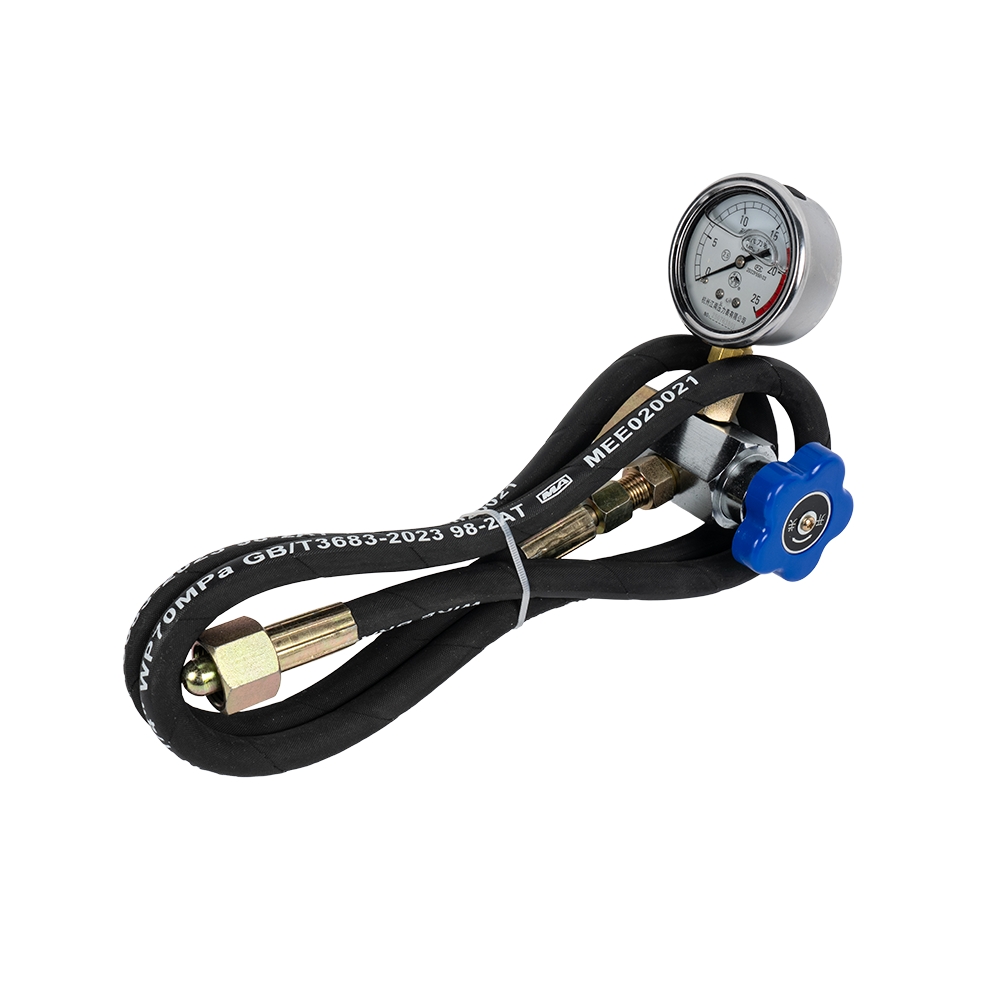
The CQJ charging kit is a specialized tool for charging, replenishing, correcting, and checking the charging pressure of accumulators in hydraulic systems.
See Details -
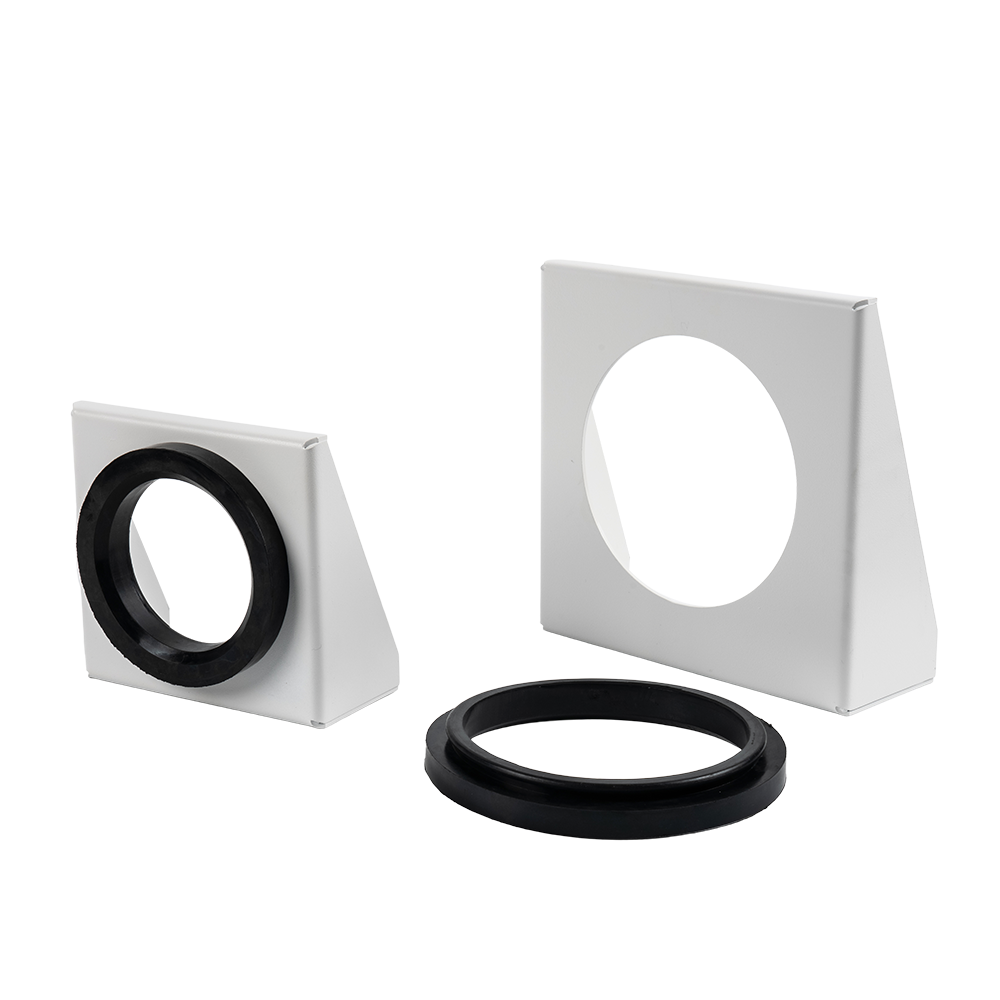
An accumulator bracket is a mechanical device used to fix and support a hydraulic accumulator.
See Details -
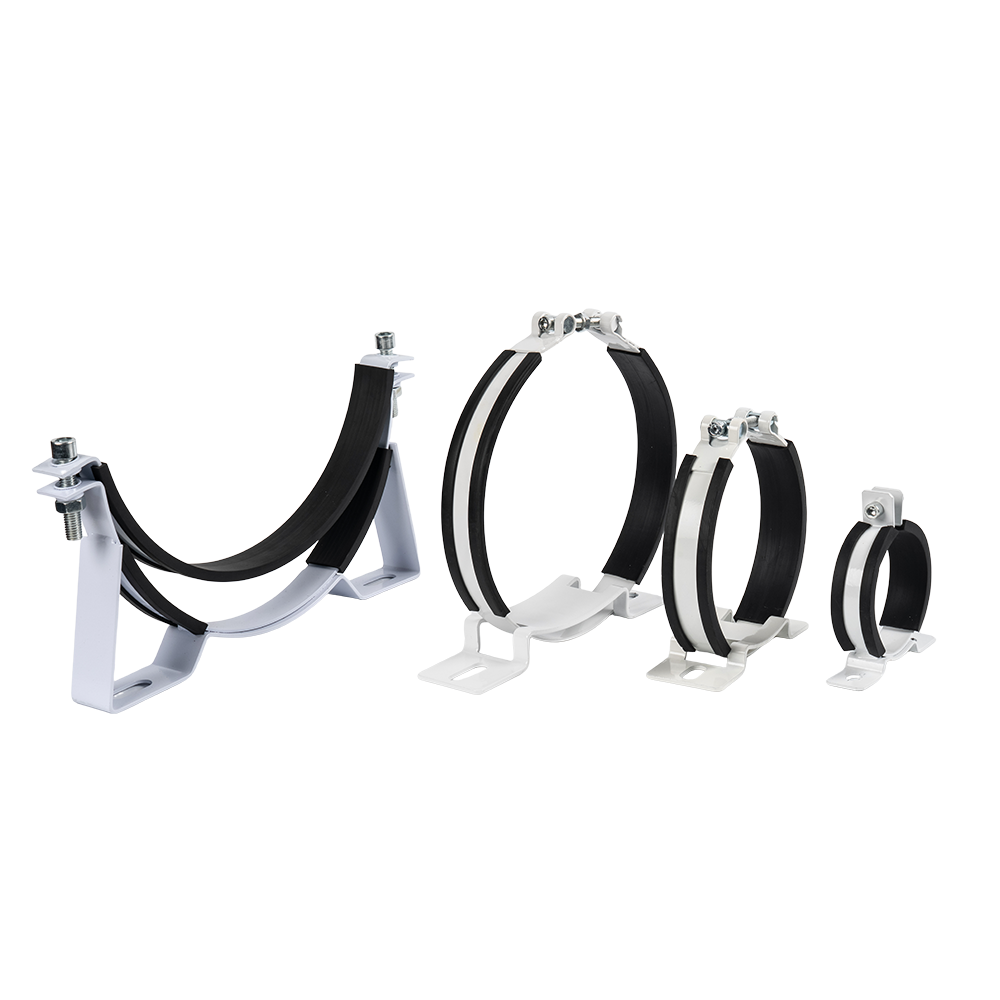
An accumulator clamp is a metal fastener specifically designed for securing and supporting hydraulic or pneumatic accumulators. Its primary function is to prevent the accumulator from swaying, deformi...
See Details -
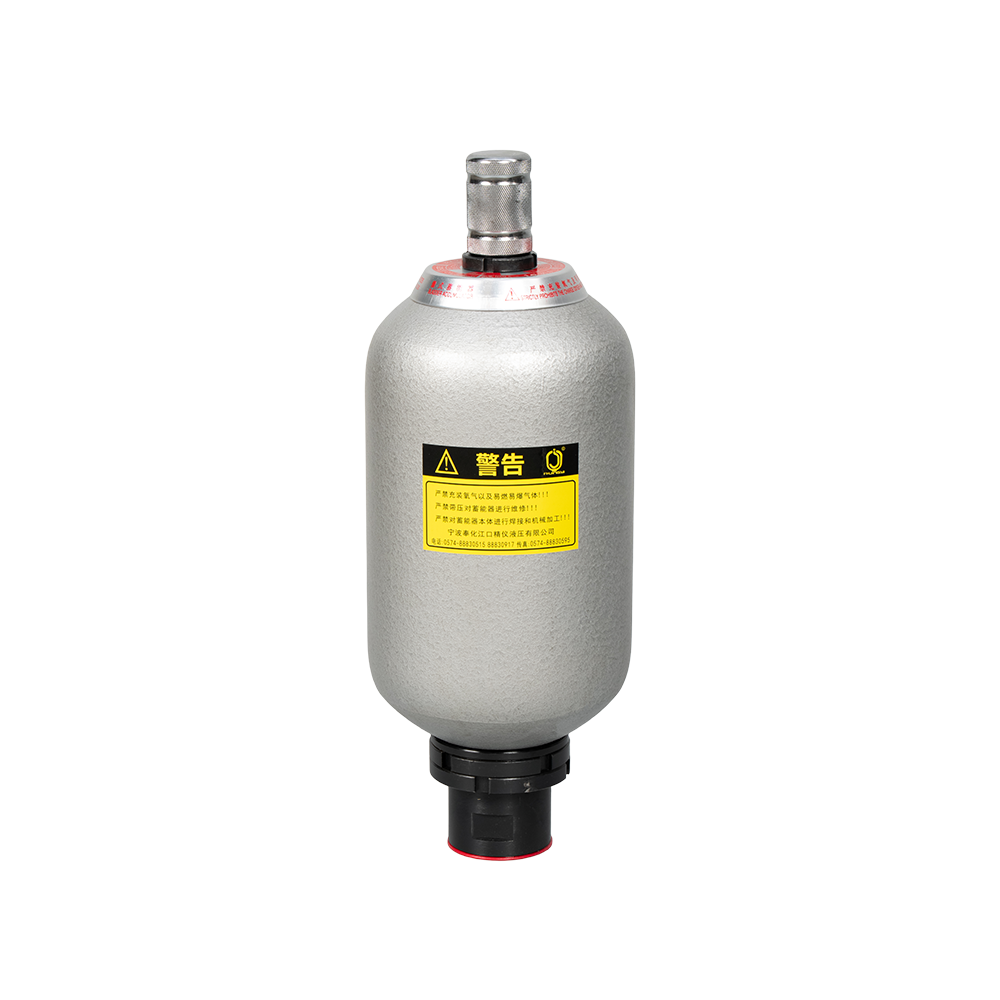
The NXQ Series Bladder Accumulator is a bladder-type accumulator conforming to national standards (JB/T 7036-93) or HG2331. Its core component is the "bladder" or "capsule," hence the name. This serie...
See Details -
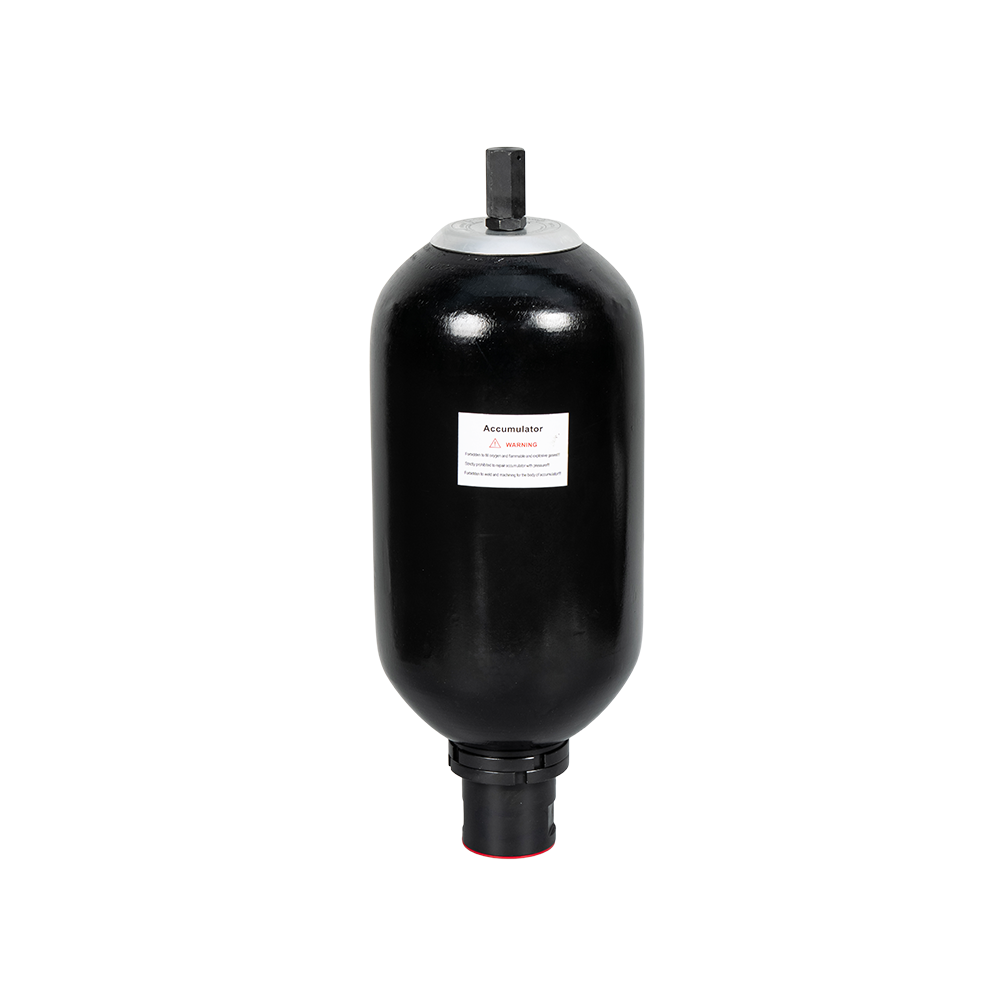
PED-type bladder accumulators refer to bladder accumulators that comply with the EU PED Directive (2014/68/EU). These accumulators typically consist of a steel outer shell and an internal elastic blad...
See Details
News
-
During a typical injection molding cycle, the hydraulic system demands a sudden surge of oil to drive the injection screw forward at high speed. If the pump alone supplies this flow, it must be oversized, wast...
READ MORE -
Quick Answer An Accumulator Nitrogen Charging Kit is a portable set of tools — hose, control valve, gauge, and adapter — used to fill a hydraulic accumulator with dry nitrogen gas and to verify that the pre-cha...
READ MORE -
A harvester header that sags a few centimetres every time pump load spikes, or a reel that surges as the engine drops to idle, points to the same root cause: pressure fluctuation that nothing in the circuit is...
READ MORE -
CE Certified Accumulator: A Real Compliance Benchmark, Not a Sticker During a machine-build project, the accumulator specified for your hydraulic circuit carries a CE mark that looks simple but carries legal w...
READ MORE -
Piston accumulators separate gas and fluid with metal pistons. They feature strong pressure resistance and a wide range of volume options, enabling high-pressure energy storage and long-term pressure maintenanc...
READ MORE -
An accumulator is a pressure storage device used in hydraulic systems to store energy in the form of pressurized fluid and release it on demand. It works by separating a pre-charged nitrogen gas from hydraulic...
READ MORE
contact us

-

-

Mobile: +86-574-88830515
-

Telephone: +86-15968431761
-

No. 12 Xujiabu, Xikou Town, Fenghua District, Ningbo City, Zhejiang Province, P.R.China