
 Español
 中文简体
中文简体A diaphragm accumulator is a mechanical device that stores and releases energy using Boyle's Law (the compressibility of gases). Its core structure is a diaphragm made of a flexible material (usually ...
See Details
Home / News / Industry News / Diaphragm Accumulator for Agricultural Harvester: Sizing and Buying Guide
Diaphragm Accumulator for Agricultural Harvester: Sizing and Buying Guide
Admin 2026-09-07Content
A harvester header that sags a few centimetres every time pump load spikes, or a reel that surges as the engine drops to idle, points to the same root cause: pressure fluctuation that nothing in the circuit is absorbing. The standard fix is a hydraulic accumulator, and for most harvesting circuits a diaphragm accumulator is the correct default. It reacts in milliseconds, holds its nitrogen charge between seasons because there is no piston seal to leak past, and its compact welded body fits the cramped mounting points on a header where a piston unit will not go. The rest of this article explains where accumulators earn their keep on a combine, why the diaphragm design usually wins there, which specifications decide whether a unit lasts one season or ten, and what to verify before you place an order.
Where a Combine Harvester Actually Uses an Accumulator
Modern harvesters hide four or five separate accumulator jobs behind one hydraulic pump:
- Header and reel control: small gas volumes cushion the lift cylinders so height corrections are smooth instead of jerky, and they compensate for oil creeping past cylinder seals, so the header holds position without running the pump constantly.
- Pulsation damping: axial piston pumps and fast valve switching create pressure ripple that shows up as reel wobble and noise. An accumulator absorbs the peaks before they reach the function.
- Cab and chassis suspension: nitrogen acts as the spring, which makes the accumulator the actual ride-quality component on suspension-equipped machines.
- Emergency energy reserve: in brake and steering-related circuits, stored oil pressure keeps the function available even if the pump momentarily cannot deliver.
If you need a plain-language refresher on how an accumulator stores and releases hydraulic energy, we cover the basics in a separate industry note. The same physics applies across our agricultural machinery applications, from tractors to self-propelled foragers.
Why the Diaphragm Type Fits Harvesting Conditions
Conclusion first: choose a diaphragm accumulator when the circuit needs fast response, low maintenance and compact packaging, which describes most header, reel, damping and suspension duties. Reserve piston units for circuits that need large oil volumes per function or extreme pressures.
Three design facts drive that conclusion:
- One flexible part instead of a sliding piston. The diaphragm has negligible mass and no seal friction, so it follows pressure changes almost instantly. A piston must overcome seal friction and inertia first, which slows the response, a real drawback when damping fast pulsations.
- No internal leakage. A piston leaks slightly past its seals by design, and over a season that bleeds gas-side pressure down. A diaphragm separates gas and oil with one moulded membrane, so pre-charge survives storage between harvests far better.
- Insensitive to mounting position and moderate contamination. The diaphragm works at any angle, the welded shell is light, and there is no metal-to-metal sliding pair to score when oil carries fine straw dust.
The honest limits: diaphragm units come in smaller volumes, typically well under five litres, and accept a lower compression ratio than piston designs, so very large suspension volumes fall outside their natural range. For everything else, market-research estimates attribute roughly 54% of combine harvester accumulator usage to the diaphragm type, a share built on exactly these properties.
- Diaphragm type: 54%
- Bladder and piston types: 46%
Share of combine harvesters using diaphragm accumulators for flow stabilization (industry estimate).
Our own diaphragm accumulator line is built around exactly these duties, with pre-charge options matched to header, reel and suspension circuits.
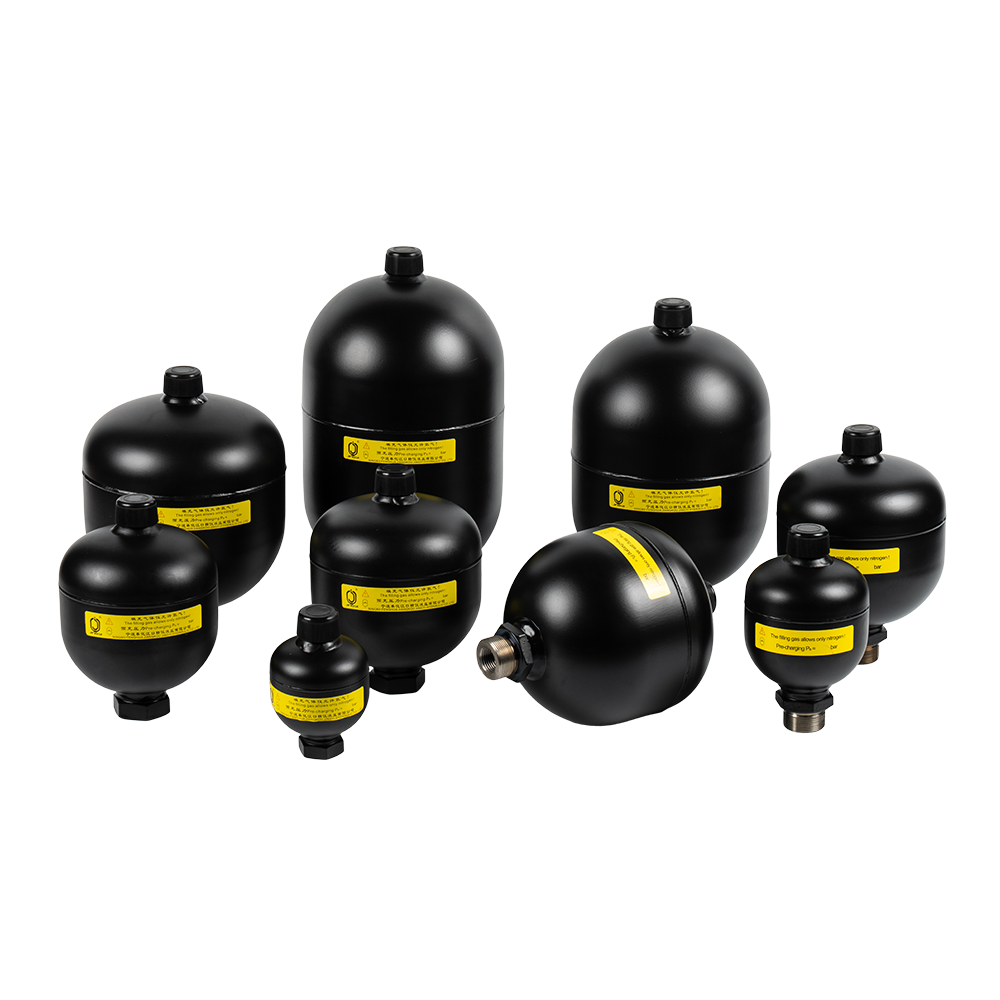 Diaphragm Accumulator for Header, Reel and Suspension CircuitsA flexible diaphragm separates nitrogen from hydraulic fluid to store energy, damp shocks, and maintain pressure. Matching pre-charge options to combine header, reel, and suspension duties helps prevent ordering errors before committing to a part number.View Product →
Specifications to Check Before Ordering
Ordering errors usually come from two places: wrong pre-charge and wrong volume. Use the checklist below, then confirm the final figures against your machine's hydraulic schematic before committing to a part number.
| Parameter | Practical rule | Why it matters on a harvester |
|---|---|---|
| Nominal volume | 0.16 to 2 L covers most header, reel and damping duties | Too small causes frequent relief-valve events; too large adds sluggish response and cost |
| Nitrogen pre-charge | 60 to 90% of the circuit's minimum working pressure; the high end for damping, the lower end for energy storage | The single biggest factor in whether the unit does its job at all |
| Maximum working pressure | Rate the vessel above circuit relief; modern combines commonly run 180 to 250 bar | Repeated peaks at or above rating fatigue the diaphragm |
| Temperature range | Standard nitrile diaphragms handle roughly -30 °C to +80 °C; low-temperature compounds extend this | Cold morning starts and hot threshing afternoons are both normal |
| Port and gas valve | Match the OEM cartridge or thread, and confirm the valve type against your charging tools | A mismatched valve makes seasonal checks impossible without adapters |
| Mounting | Clamp the cylindrical shell, never the weld seam, with a dedicated bracket | Stubble-shock vibration works loose any clamp that flexes |
What the Numbers Look Like in the Field
Two effects dominate in practice. The first is flow smoothing: by absorbing pump pulses, a correctly sized diaphragm accumulator reduces pressure pulsation levels by roughly 25% according to industry estimates, which translates into steadier reel and header motion and fewer relief-valve events. The second is response speed: because the membrane weighs almost nothing and slides nowhere, the unit begins absorbing a pulse within milliseconds, before a piston design has fully overcome its own seal friction.
Relative pressure pulsation with and without a diaphragm accumulator (industry estimate, approx. 25% reduction).
Neither effect appears directly on an invoice. It appears as lower peak engine load, a calmer hydraulic block, and suspension that keeps the operator's coffee in the cup. That is why machine makers keep specifying diaphragm units on circuits where precision of motion matters more than raw stored volume.
Installation and Seasonal Maintenance
Mount it so vibration cannot win
A combine shakes harder than any industrial press. Fix the shell with a proper accumulator bracket or hoop around the cylindrical body, keep the gas valve reachable for a gauge, and route hoses so header movement cannot tug the port. The diaphragm tolerates any mounting angle, so you can package it where space allows rather than where a piston orientation demands.
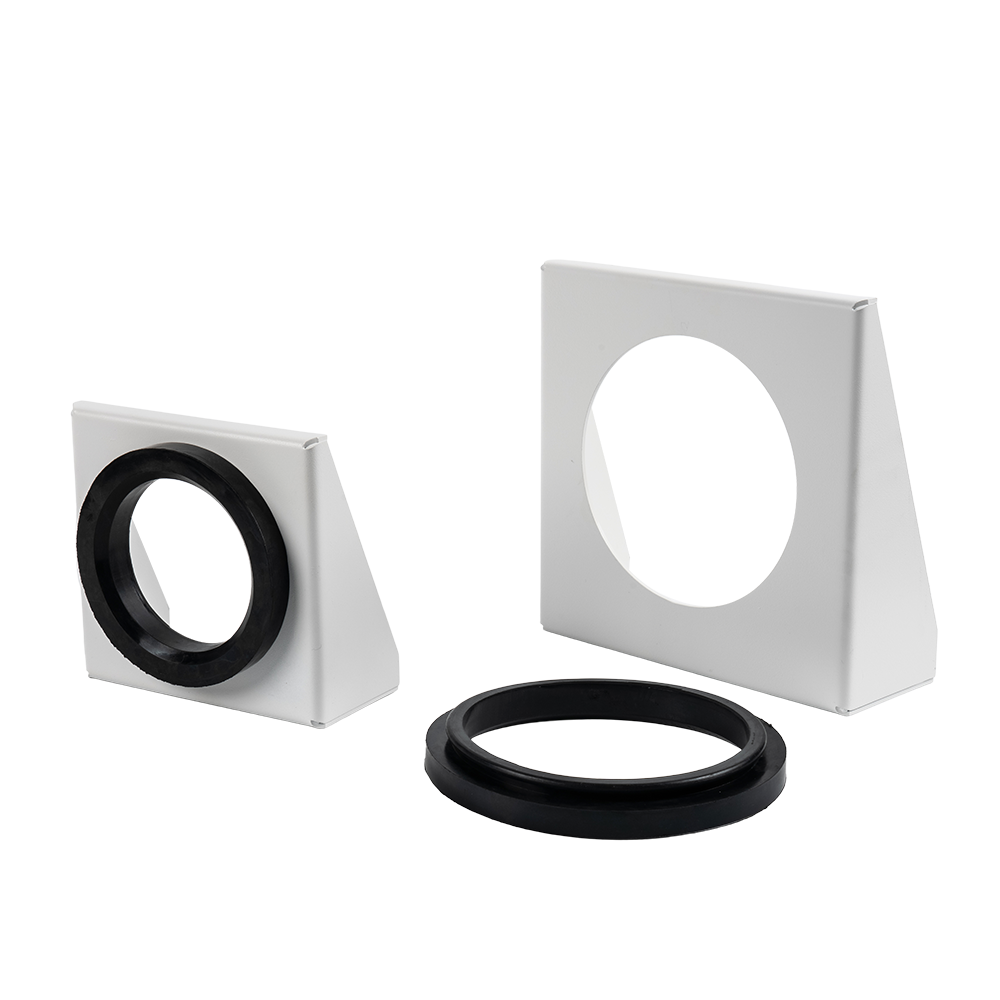 Accumulator Bracket and Hoop for Cylindrical AccumulatorsA bracket or hoop fixes the accumulator body against combine vibration, with rubber damping options and diameters from Φ89 to Φ299. Any-angle diaphragm mounting lets you position it for gas-valve access and safe hose routing.View Product →
Check pre-charge at the start of every season
Nitrogen seeps slowly through the elastomer, which is normal, not a defect. Check the pre-charge with dry nitrogen before the first job of the season and top up to the specified figure. Never use oxygen; oil mist and pure oxygen are a fire risk. A dedicated charging kit with gauge and hose turns the whole check into a ten-minute job.
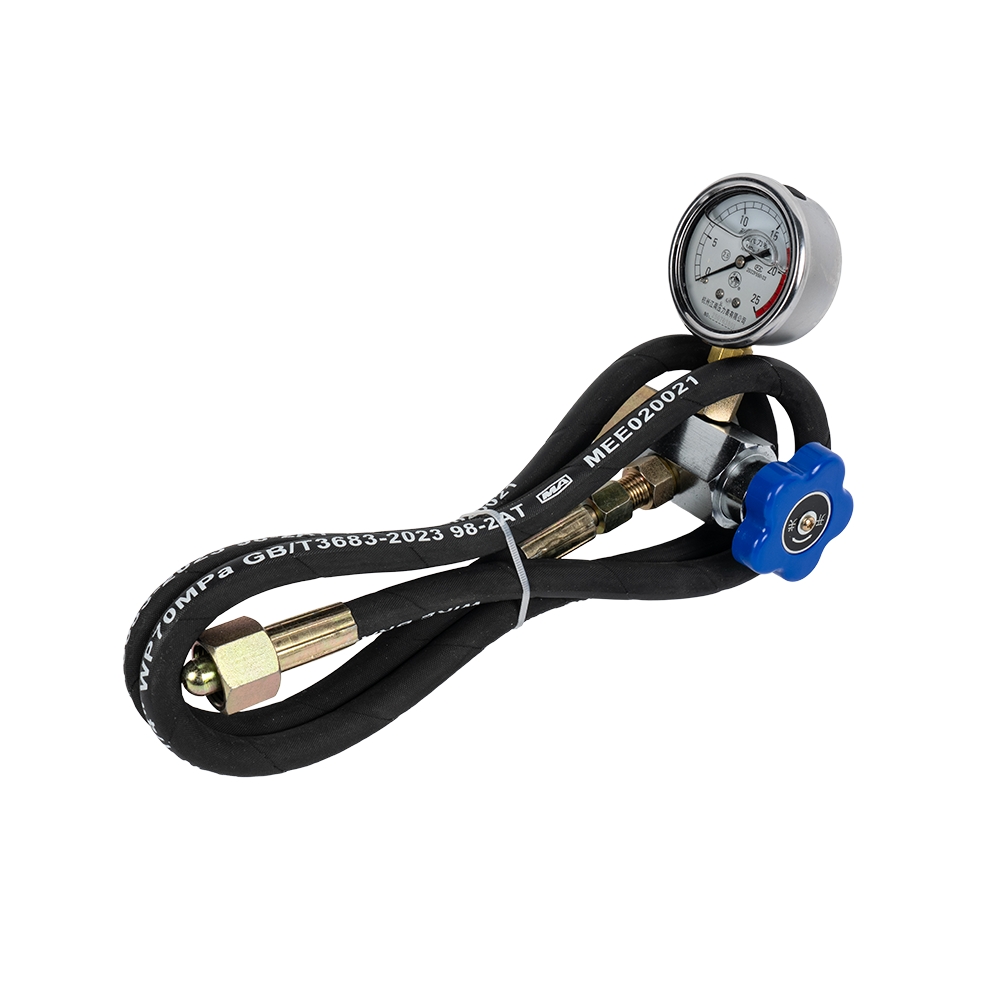 CQJ Accumulator Nitrogen Charging and Pressure Check KitThis compact kit charges, tops up, and verifies accumulator gas pressure with an included gauge and hose. Regular pre-charge checks with dry nitrogen keep the diaphragm healthy through the season, turning the job into about ten minutes.View Product →
Read the failure signs early
A unit that loses charge within days usually has a leaking gas valve core or a ruptured diaphragm; oil appearing at the gas valve confirms the latter. Managed pre-charge lets a diaphragm last several seasons in harvest duty, so plan replacement alongside other seasonal wear parts instead of waiting for a field failure during harvest.
What to Verify in a Supplier
A harvester accumulator is a small pressure vessel, so the manufacturer matters as much as the design. Four checks separate serious makers from trading companies:
- Pressure vessel credentials: ask for the licence scope. A Grade A2 special-equipment licence covers high-pressure accumulator manufacture, and CE certification covers EU-bound machines.
- Diaphragm-specific volume: a maker producing diaphragm units in six-figure annual quantities has settled processes. Weld and diaphragm crimp consistency is exactly where cheap units fail.
- Test traceability: every unit should ship with a pressure-test record matched to its serial number.
- Supporting parts availability: brackets, hoops and charging tools from the same source save a second procurement round mid-season.
For our part, we have manufactured accumulators since 2012 in a facility of more than 5,000 square metres, hold the A2 pressure-vessel manufacturing licence and CE certification, and produce diaphragm units at a rate exceeding 100,000 pieces per year. That capacity exists so OEM and aftermarket buyers are never waiting on a small consumable part.
Frequently Asked Questions
Can a diaphragm accumulator survive straw-chopper vibration?
Yes. Its welded shell has no sliding parts to misalign. Fit it with a rigid bracket, avoid pipe strain on the port, and vibration becomes a mounting question rather than an accumulator question.
Diaphragm or bladder type for my header circuit?
For small volumes, diaphragm: it is more compact, responds faster, and no bladder can chafe against the port at high flow. Bladder designs make sense at larger volumes where their oil capacity per unit is attractive.
How often should pre-charge be checked?
Once per season at minimum, plus after any suspected pressure event. Five minutes with a gauge and a nitrogen bottle protects a part that otherwise fails silently.
My circuit needs more than the largest diaphragm volume. Now what?
Move that circuit to a piston unit, or run diaphragm units in parallel on a manifold. Parallel small units sometimes damp better than one large one because they respond faster.
A diaphragm accumulator is a low-cost component with a disproportionate effect on how finished a harvester feels in the field: the header holds height, the reel keeps speed, the cab rides level. Size it honestly, pre-charge it correctly, and buy it from a maker who can prove both the licence and the test data. If you are planning a seasonal refresh or an OEM design-in, send us your circuit parameters and we will return a sizing recommendation backed by certified pressure-test records.
PREV: Bladder to Diaphragm Accumulator Retrofitting: When to Switch, Costs & StepsNEXT: 316 Stainless Steel Diaphragm Accumulator | Corrosion-Resistant Energy Storage
Related Products
-
-

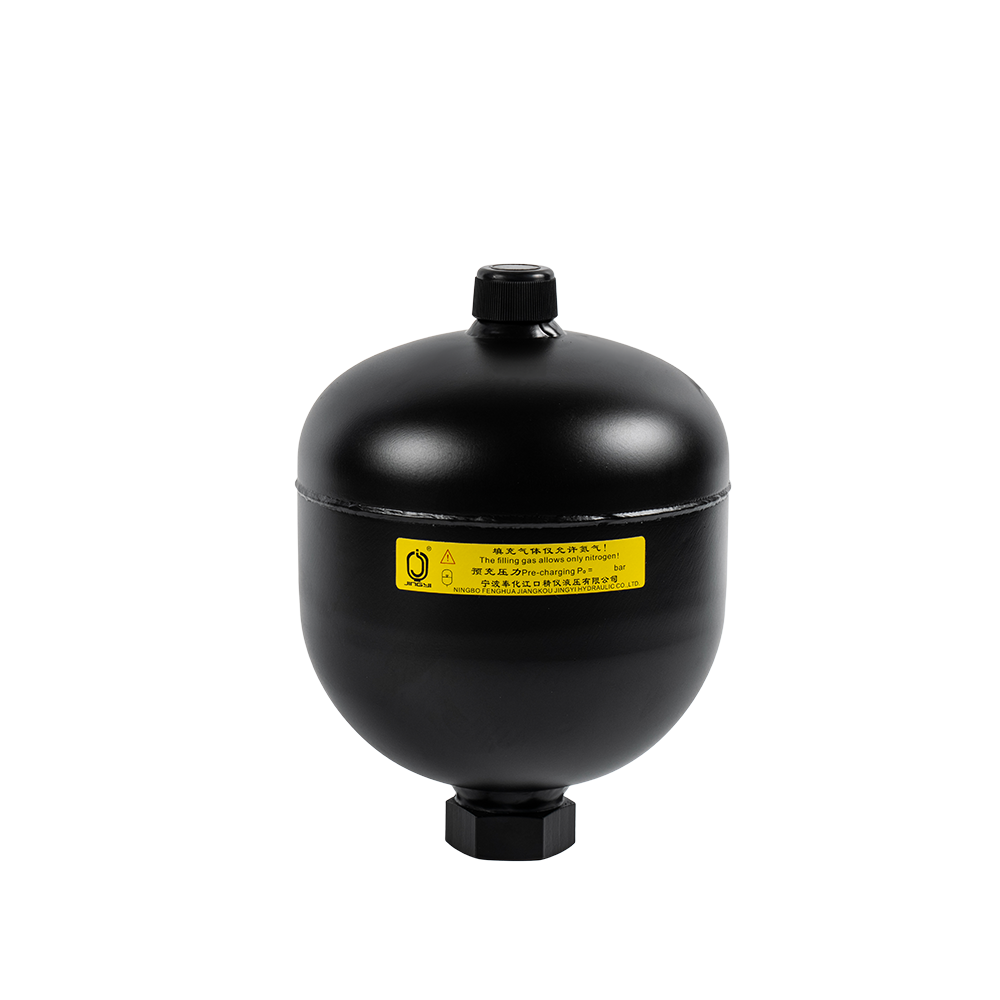
An accumulator bracket is a mechanical device used to fix and support a hydraulic accumulator.
See Details -
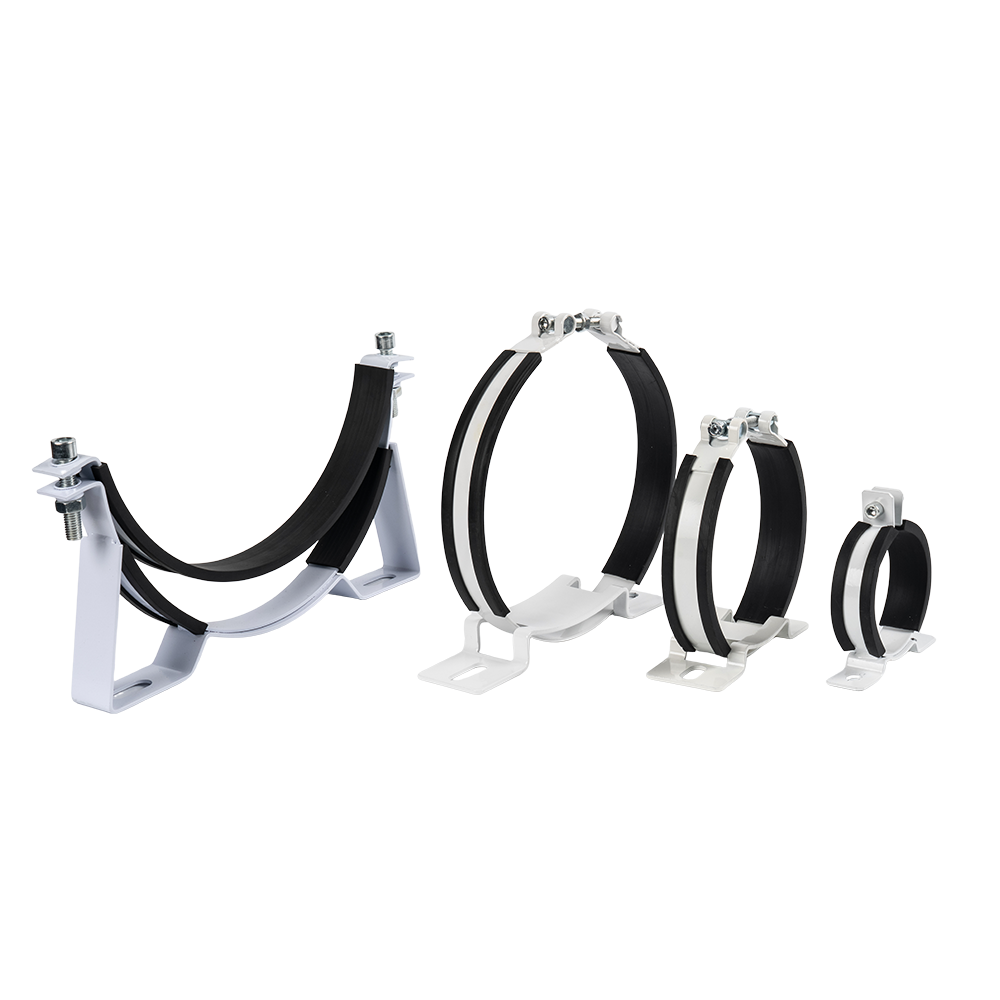
An accumulator clamp is a metal fastener specifically designed for securing and supporting hydraulic or pneumatic accumulators. Its primary function is to prevent the accumulator from swaying, deformi...
See Details -
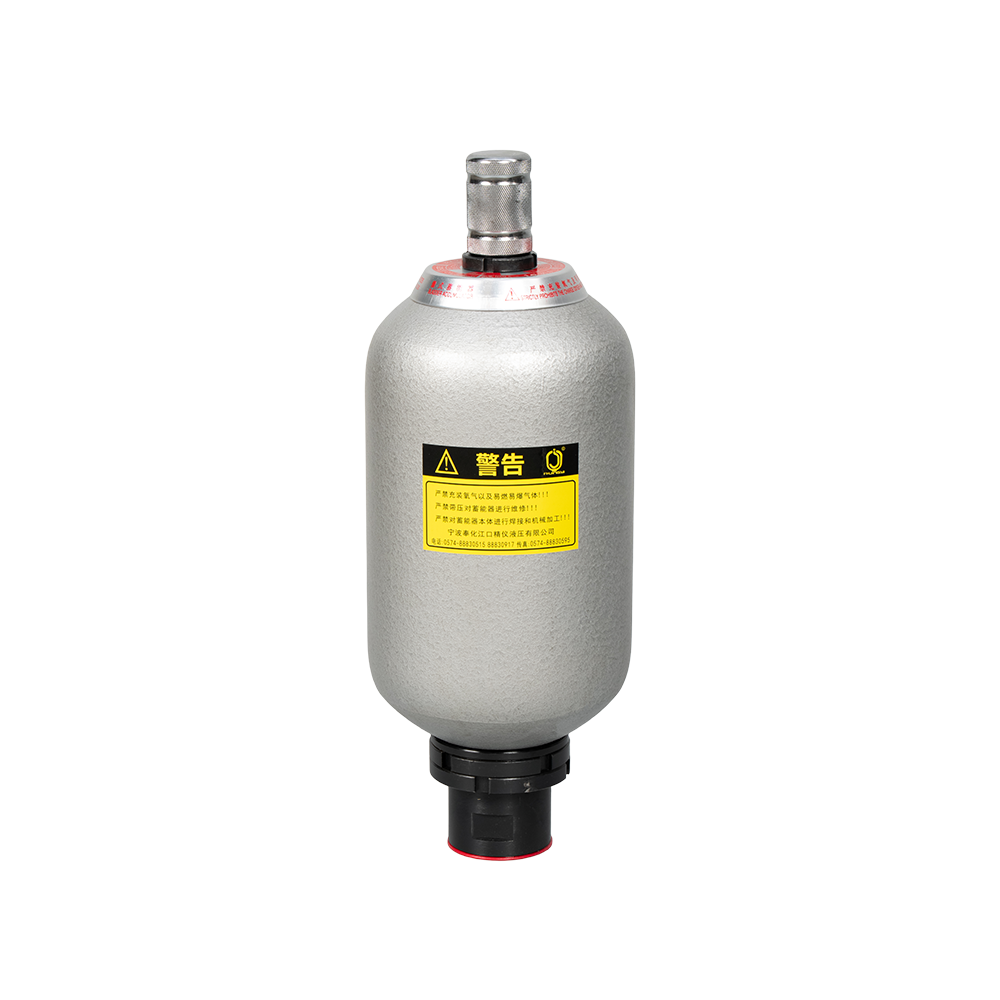
The NXQ Series Bladder Accumulator is a bladder-type accumulator conforming to national standards (JB/T 7036-93) or HG2331. Its core component is the "bladder" or "capsule," hence the name. This serie...
See Details -
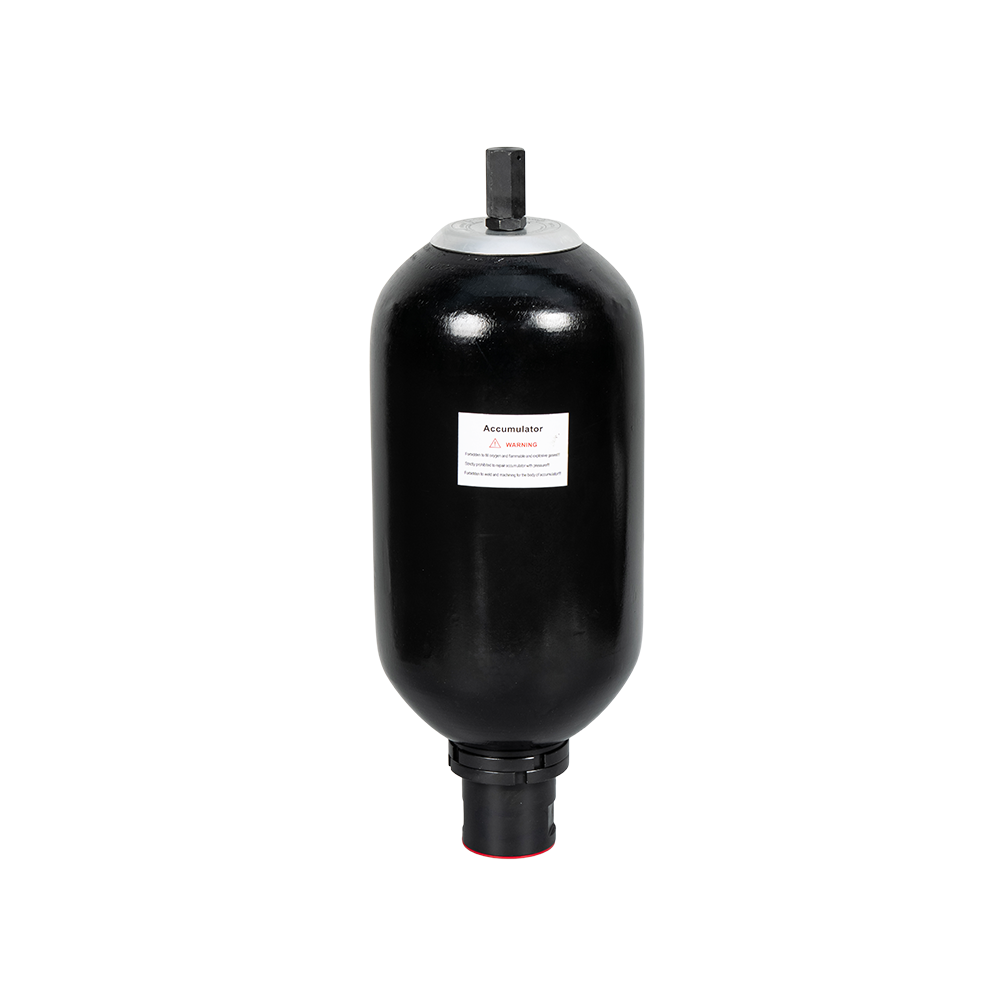
PED-type bladder accumulators refer to bladder accumulators that comply with the EU PED Directive (2014/68/EU). These accumulators typically consist of a steel outer shell and an internal elastic blad...
See Details -
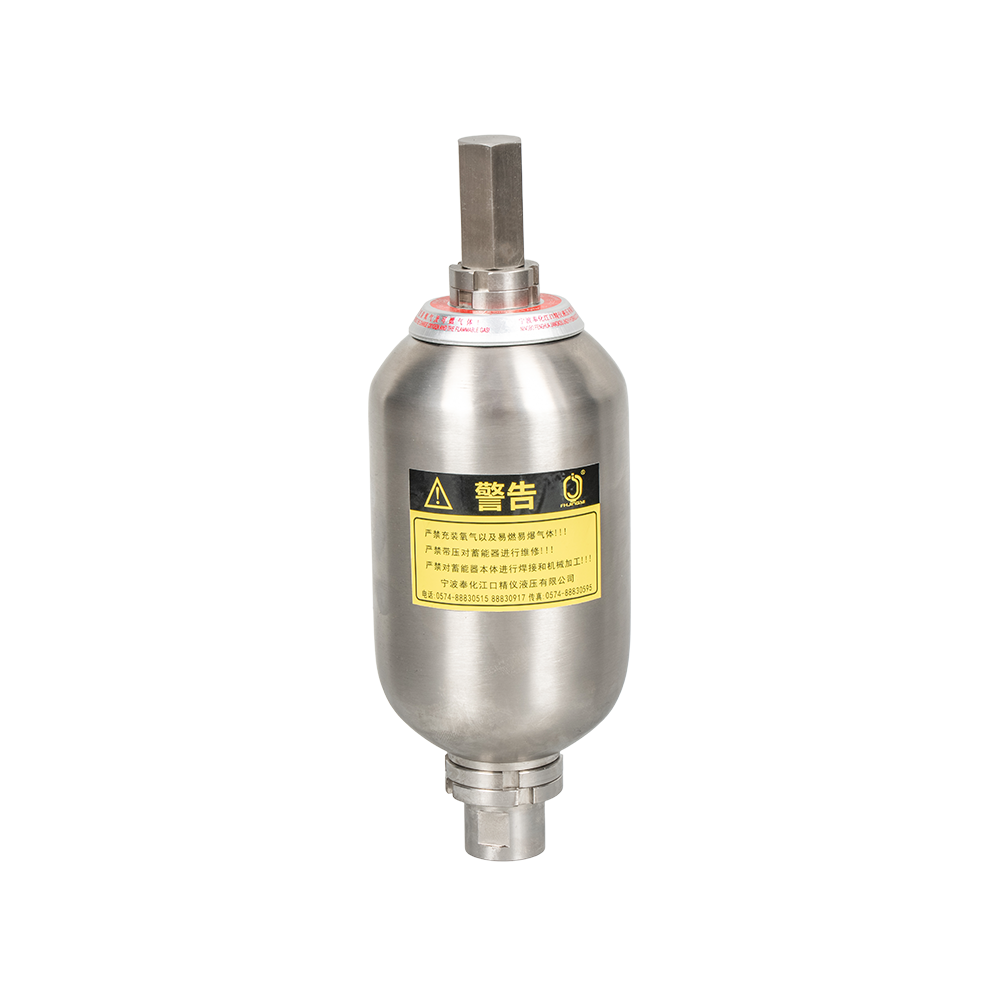
A stainless steel bladder accumulator is an energy storage device used in hydraulic systems. It utilizes the compressibility of a gas (usually nitrogen) to store and release energy, primarily for stab...
See Details
News
-
During a typical injection molding cycle, the hydraulic system demands a sudden surge of oil to drive the injection screw forward at high speed. If the pump alone supplies this flow, it must be oversized, wast...
READ MORE -
When a 180-ton mobile crane lowers a fully loaded boom, the inertia can push hydraulic pressure above 400 bar in the luffing cylinder in less than a second. Without a device to absorb that peak, seals fail ear...
READ MORE -
Diaphragm accumulators adopt a diaphragm separation structure. They are compact in size, leak-proof, and highly responsive, making them suitable for pressure stabilization and small flow compensation in micro h...
READ MORE -
What Is an Accumulator Charging Kit and What Does It Do? An accumulator charging kit is a specialized set of tools used to safely charge, check, and adjust the nitrogen gas pre-charge pressure inside hydraulic...
READ MORE -
CE Certified Accumulator: A Real Compliance Benchmark, Not a Sticker During a machine-build project, the accumulator specified for your hydraulic circuit carries a CE mark that looks simple but carries legal w...
READ MORE -
Imagine a machine that needs a short burst of high flow for only five seconds out of every forty-second cycle. If the pump is sized for that peak, the rest of the time it runs oversized, generates unnecessary ...
READ MORE
contact us

-

-

Mobile: +86-574-88830515
-

Telephone: +86-15968431761
-

No. 12 Xujiabu, Xikou Town, Fenghua District, Ningbo City, Zhejiang Province, P.R.China