
 Español
 中文简体
A diaphragm accumulator is a mechanical device that stores and releases energy using Boyle's Law (the compressibility of gases). Its core structure is a diaphragm made of a flexible material (usually ...
See Details
Home / News / Industry News / Diaphragm Accumulator for Tractor Hydraulic Systems: Sizing & Buying Guide
Diaphragm Accumulator for Tractor Hydraulic Systems: Sizing & Buying Guide
Admin 2026-10-09Content
A 90 hp utility tractor working a front loader and a loaded grain trailer asks its hydraulic circuit to steer, lift and release the trailer brakes at the same time. When the small diaphragm accumulator supporting the brake-release circuit loses its nitrogen precharge, the symptoms arrive in a predictable order: the brakes drag, the return line runs hot, the pump gets louder, and the loader slows down every time the steering is used.
The remedy is almost never a bigger pump. On most tractor hydraulic systems, a correctly sized and correctly precharged diaphragm accumulator restores pressure stability at a fraction of the cost, weight and installation space of a larger reservoir or an extra pump. Diaphragm accumulators cover roughly 0.075 L to 4 L, weigh only a few kilograms, react in milliseconds because there is no piston or bladder mass to accelerate, and are sealed on the gas side so there is no stem or seal path for nitrogen to escape.
This guide explains what a diaphragm accumulator does on a tractor, how it compares with bladder and piston designs, how to size and precharge it, and which procurement decisions cause most field failures.
What a Diaphragm Accumulator Actually Does on a Tractor
On a tractor, the accumulator is not really an energy store in the heavy industrial sense. Its job is to hold pressure steady during the short intervals when the engine-driven pump cannot, and to absorb the peaks that would otherwise travel back through the circuit.
Four duties in one small housing
- Energy reserve. A powershift clutch pack or a hydraulically released trailer brake needs pressure before the pump has built flow. A diaphragm accumulator delivers it within milliseconds.
- Pulsation damping. Gear pump ripple of 2 to 4 bar is normal; a properly precharged accumulator flattens it below 1 bar, which protects sensors, extends hose life and reduces noise in the cab.
- Shock absorption. Closing a loader or hitch valve against full flow creates a spike that runs back to the pump. The accumulator takes the peak before the relief valve opens.
- Thermal compensation. Where oil is trapped between closed valves, expanding fluid needs somewhere to go, and the gas chamber provides it.
Diaphragm designs suit these duty cycles for one practical reason: the diaphragm is a clamped, fabric-reinforced membrane with no sliding part. It responds instantly, has no seal friction to overcome, and unlike a piston accumulator it does not demand a vertical mounting position, so it can sit on a manifold under the hood or on the side of a transmission housing.
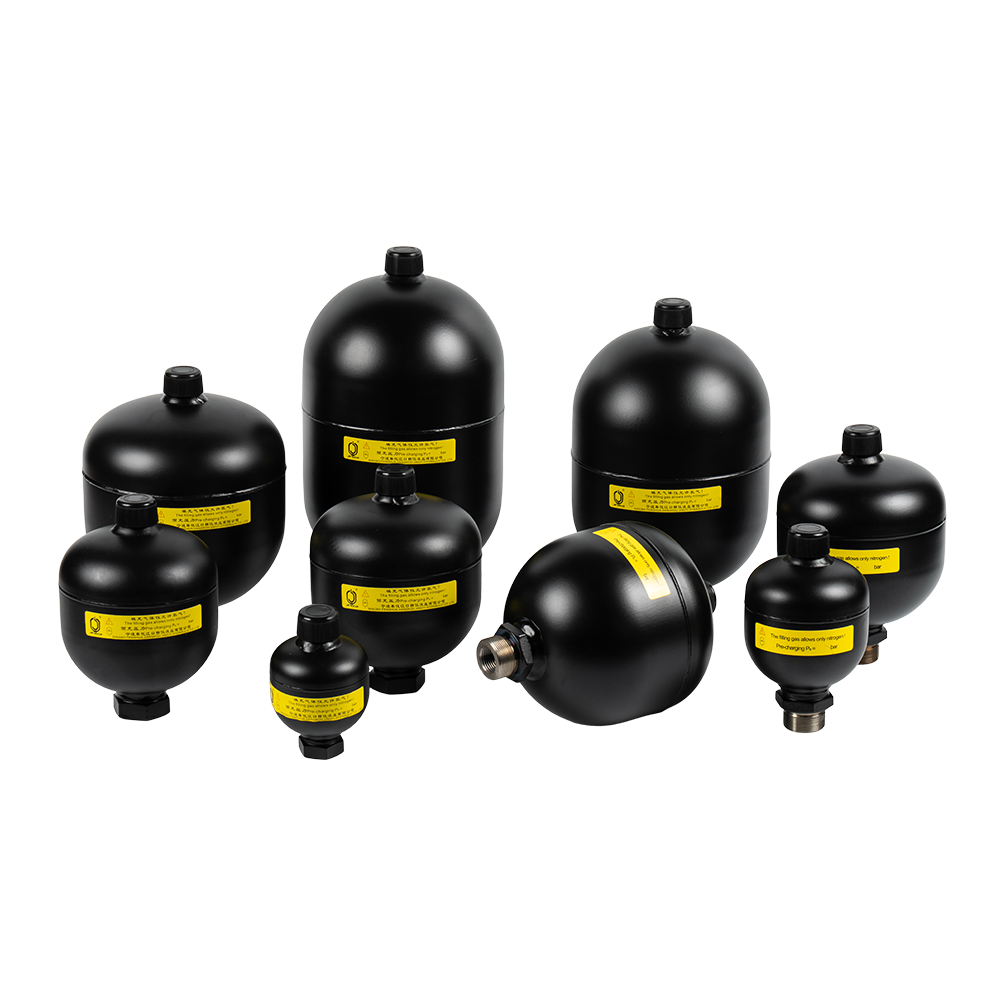 Welded Diaphragm Accumulators for Hydraulic Energy StorageA welded diaphragm accumulator separates gas and liquid to store energy and support hydraulic flow; rechargeable and sealed designs suit compact tractor installations.View Product →
Where diaphragm accumulators work on a mid-size tractor
- Clutch and transmission boost 35%
- Trailer brake release 25%
- Loader and hitch damping 20%
- Steering pulse damping 12%
- Suspension and other 8%
Diaphragm, Bladder or Piston: Matching Type to Duty
All three types do the same thermodynamic job. They differ in how much oil they give back, how quickly they respond when the oil is cold, and what happens after five years of vibration.
| Characteristic | Diaphragm | Bladder | Piston |
|---|---|---|---|
| Typical usable volume | 0.075 to 4 L | 0.5 to 60 L | 0.1 to 100 L |
| Typical working pressure | up to 350 bar | up to 350 bar | up to 500 bar |
| Approximate dry mass, 1 L class | 2 to 4 kg | 4 to 6 kg | 8 to 12 kg |
| Response to fast pressure change | Fastest, no moving mass | Fast, bladder has inertia | Slowest, seal friction and mass |
| Gas leakage path | Sealed gas side, welded or threaded shell | Gas valve and bladder stem | Gas valve and piston seals |
| Field serviceability | Diaphragm replaceable on some models; many units replaced whole | Bladder replaceable in place | Seals and piston replaceable |
| Best fit on a tractor | Small, high-cycle circuits | Larger reserve and ride-control circuits | Large volume at very high pressure |
The working rule is simple. If the circuit needs less than about 0.5 L of usable oil and cycles thousands of times per hour, choose diaphragm. If it needs litres of reserve, choose bladder or piston. Using the wrong logic, such as fitting a large bladder accumulator to damp pump ripple, usually produces sluggish response and a heavier bracket than the frame was designed to carry.
Sizing and Precharge: The Two Numbers That Decide Performance
Sizing always starts with usable volume, never with the nominal volume printed on the label.
Step 1: define the oil volume you need
Usable volume (delta V) is the oil that must be delivered between minimum working pressure P1 and maximum working pressure P2. For a trailer brake release on a 90 hp tractor, delta V is often only 15 to 30 cm³ per application. For loader damping it can reach 50 to 100 cm³.
Step 2: calculate nominal volume
Use V0 = delta V / [(P0/P1)^(1/n) - (P0/P2)^(1/n)], where P0 is the nitrogen precharge and n is 1.4 for a fast, adiabatic cycle or 1.0 for a slow one. Tractor circuits that cycle in seconds should be treated as adiabatic.
With delta V = 25 cm³, P1 = 100 bar, P2 = 175 bar and P0 = 70 bar, the bracketed term becomes 0.775 - 0.520 = 0.255, so V0 = 25 / 0.255, about 98 cm³. A 0.16 L diaphragm accumulator gives useful margin; a 0.1 L unit sits right at the limit and runs a wider pressure swing.
Step 3: set and check the precharge
- Nitrogen only. Never charge with compressed air, which turns the gas chamber into a corrosion and combustion risk.
- Start at P0 = 0.6 to 0.8 times P1. Diaphragm units are normally set near the upper end, around 0.8 times P1, because usable volume is smaller than in a bladder of the same nominal size.
- Charge at 20 °C and record the figure. Nitrogen pressure at constant volume moves roughly 0.36% per °C, so a unit set at 150 bar in a warm workshop reads about 135 bar on a cold morning.
- Accept a tolerance of plus or minus 5% at 20 °C and recheck at every 500-hour service or every three months, whichever comes first.
- Use a charging kit with the thread that matches the gas valve; adapters are a common leak point.
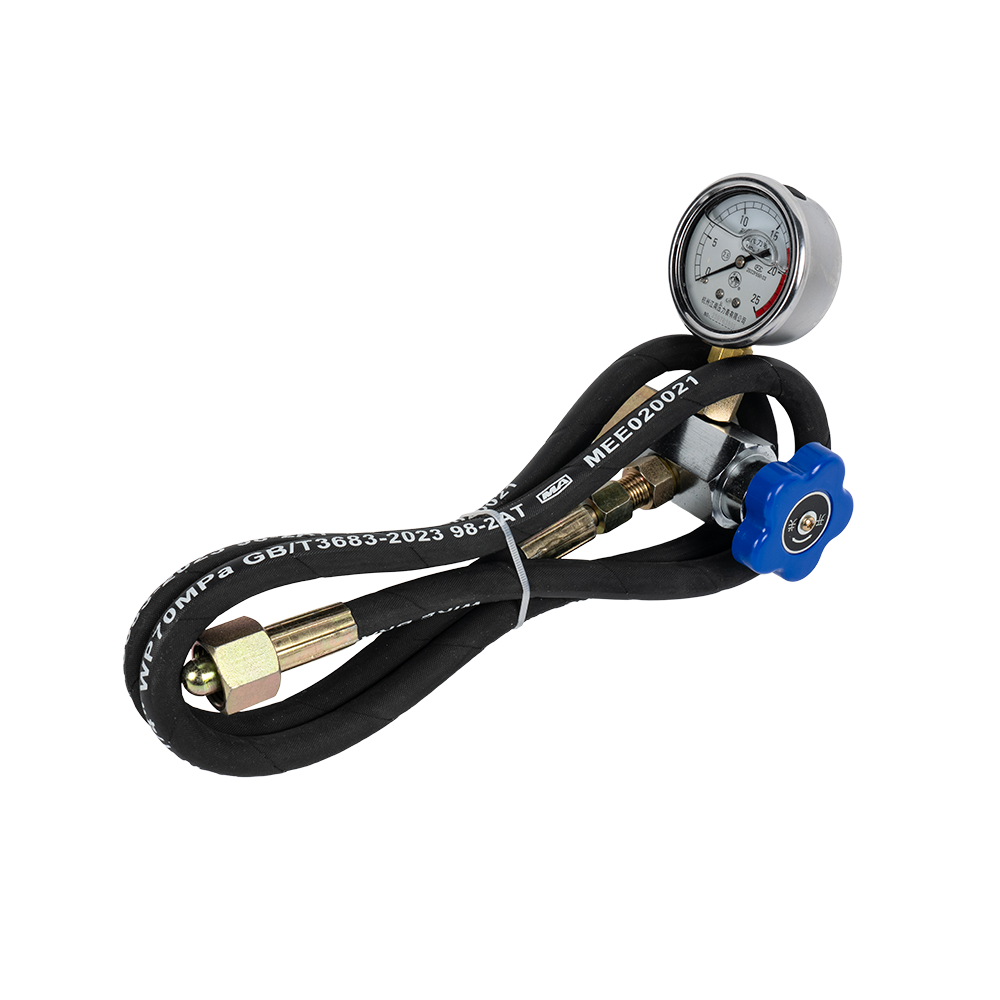 5/8UNF Accumulator Nitrogen Charging Kit with GaugeHigh-pressure kit with gauge, hose, and interchangeable connectors for charging hydraulic accumulators with nitrogen when setting system pressure.View Product →
Example pressure setpoints, 90 hp utility tractor
Illustrative values only. Always confirm setpoints against the machine's service manual.
Installation and Safety on a Moving Machine
A tractor is a hostile mounting environment: vibration, mud, exhaust heat and a frame that flexes under load. Five points prevent most installation problems.
- Support the accumulator with a bracket or hoop rather than hanging it from rigid pipework.
- Keep the gas valve reachable for precharge checks but shielded from impact.
- Fit a safety block between the accumulator and the circuit. An AQF safety ball valve combines isolation, a relief path and a manual bleed, so the oil side can be depressurised before any work begins.
- Orient the oil port so sediment cannot collect in the oil chamber, and route hoses clear of exhaust components.
- Respect the elastomer limit: a standard NBR diaphragm is comfortable to about 80 °C, so keep the gas side away from hot surfaces.
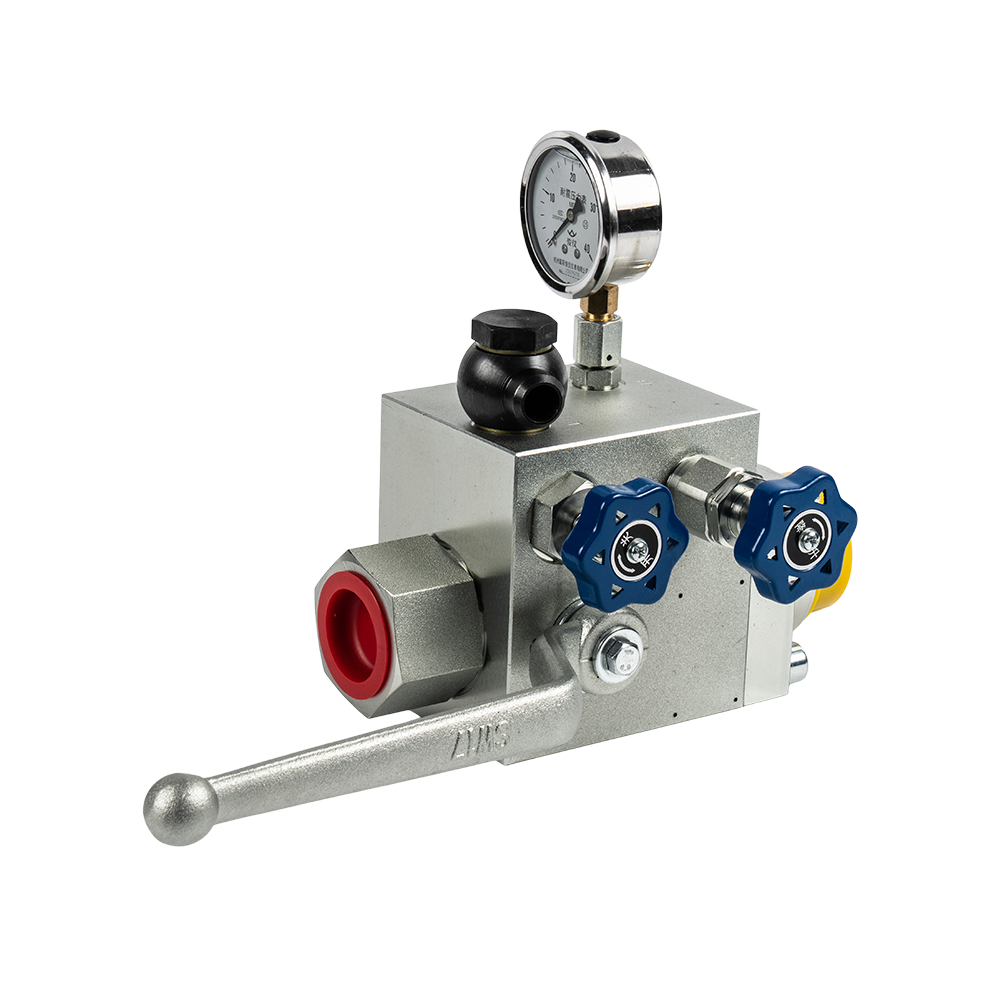 AQF Safety Ball Valves for Hydraulic Bladder AccumulatorsCompact safety, flow-interruption, and unloading valve for bladder accumulators, helping protect hydraulic circuits and simplify maintenance in demanding installations.View Product →
Failure Modes and a Procurement Checklist
Most diaphragm accumulator failures on tractors trace back to specification or maintenance, not to the membrane itself.
- Precharge never checked, so the diaphragm bottoms out on every cycle and fatigues early.
- Nominal volume chosen instead of usable volume, leaving a pressure swing too wide to damp anything.
- Wrong elastomer for the oil: NBR for mineral oil, HNBR or FKM for higher temperature, EPDM for certain biodegradable esters.
- No safety block, which leaves trapped pressure during service and no relief protection if the circuit overheats.
- Unverified gas valve thread, since 5/8 UNF, 7/8 UNF and metric threads are not interchangeable.
- A supplier outside any regulated pressure-vessel quality system, which makes traceability impossible after a failure.
Ask for certification documents before the first order rather than after the first breakdown. A manufacturer working under a pressure-vessel manufacturing licence and holding CE marking has been audited on exactly the processes that decide whether a diaphragm accumulator survives 200,000 loader cycles.
Frequently Asked Questions
Can I precharge a diaphragm accumulator with compressed air?
No. Use dry nitrogen. Air carries oxygen and moisture, which create corrosion and combustion risk on the gas side, and moisture can freeze in cold weather and damage the diaphragm as pressure cycles.
How often should the precharge be checked?
Every three months or at each 500-hour service, whichever comes first, and after any event that pushed the circuit to relief pressure. Compare the reading at 20 °C with the nameplate value; a drop beyond 5% means the gas side needs attention.
Is a diaphragm accumulator repairable?
Some designs allow diaphragm replacement; welded and sealed units are normally replaced as a complete assembly. On a tractor, replacing the whole unit is often cheaper than a rebuild because the gas side must be re-sealed and re-verified afterwards.
Should I choose 0.1 L or 0.32 L for the same circuit?
Look at the pressure swing. A larger accumulator holds a narrower band between P1 and P2, which improves damping and diaphragm life but costs more space and money. If the calculated V0 lands within 10% of a standard size, step up one size rather than running the diaphragm at its travel limit.
A diaphragm accumulator earns its place on a tractor by doing a small job very well: holding pressure steady for the fraction of a second when the pump cannot, and absorbing the spikes that would otherwise reach seals, sensors and hoses. Size it from usable volume, precharge it to roughly 0.8 times P1 with nitrogen, mount it on a bracket, and give it a proper safety block.
Ningbo Fenghua Jiangkou Jingyi Hydraulic Co., Ltd. manufactures diaphragm accumulators in a 5,000 m² plant in Xikou, Ningbo, with annual diaphragm accumulator capacity above 100,000 units, under a pressure-vessel manufacturing licence (Grade A2) and CE certification. The company supplies accumulators for agricultural machinery and other mobile equipment. Send your delta V, P1 and P2 figures through the contact page and the engineering team will confirm the nominal size and precharge setting for your circuit.
PREV: Diaphragm Accumulator for Wind Power Generator: Sizing, Precharge & SelectionNEXT: Diaphragm Accumulator for Offshore Oil Equipment: Selection & Supply Guide
Related Products
-
-
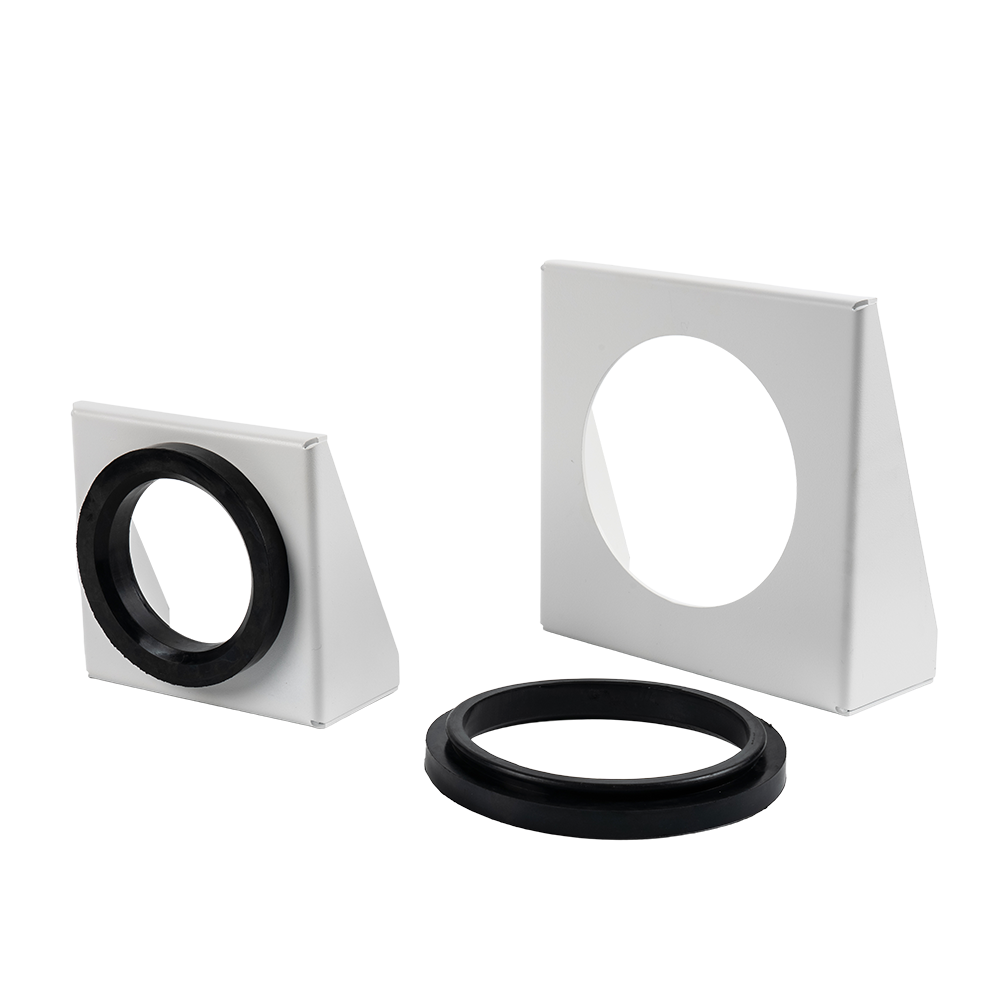
An accumulator bracket is a mechanical device used to fix and support a hydraulic accumulator.
See Details -
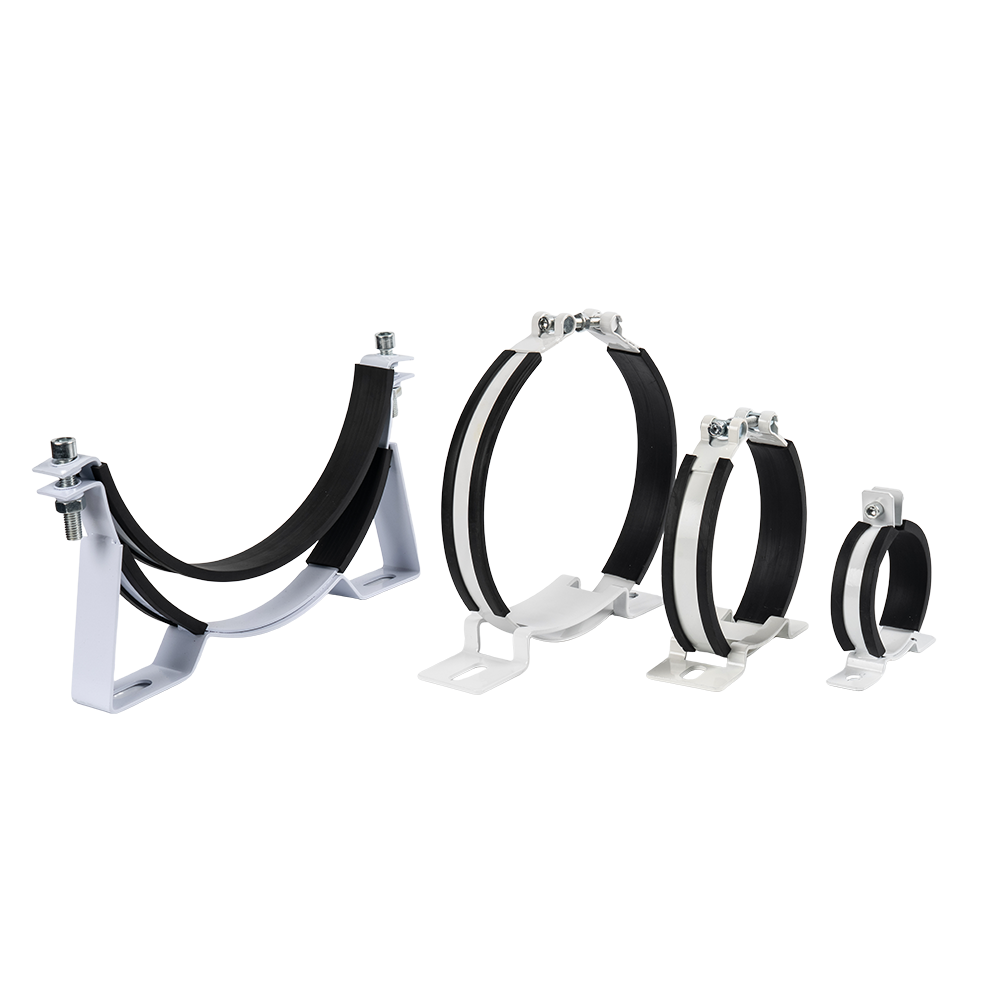
An accumulator clamp is a metal fastener specifically designed for securing and supporting hydraulic or pneumatic accumulators. Its primary function is to prevent the accumulator from swaying, deformi...
See Details -
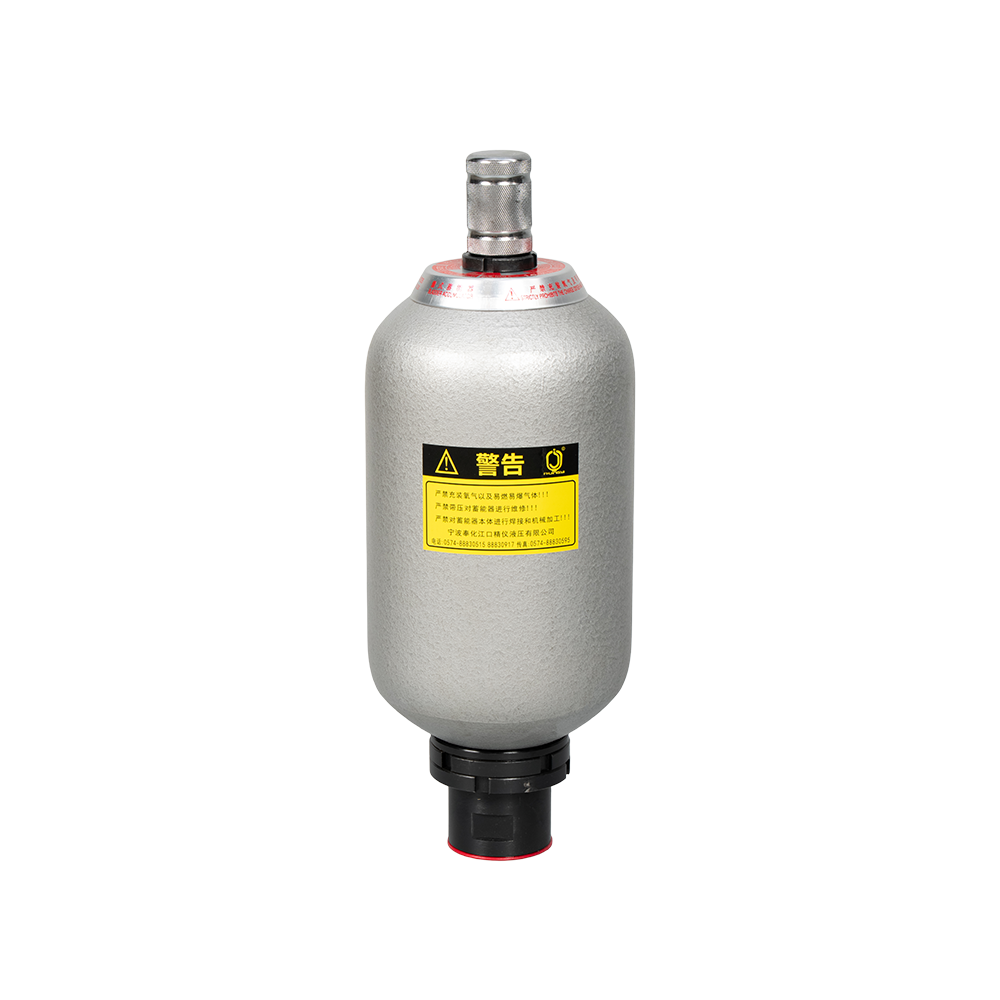
The NXQ Series Bladder Accumulator is a bladder-type accumulator conforming to national standards (JB/T 7036-93) or HG2331. Its core component is the "bladder" or "capsule," hence the name. This serie...
See Details -
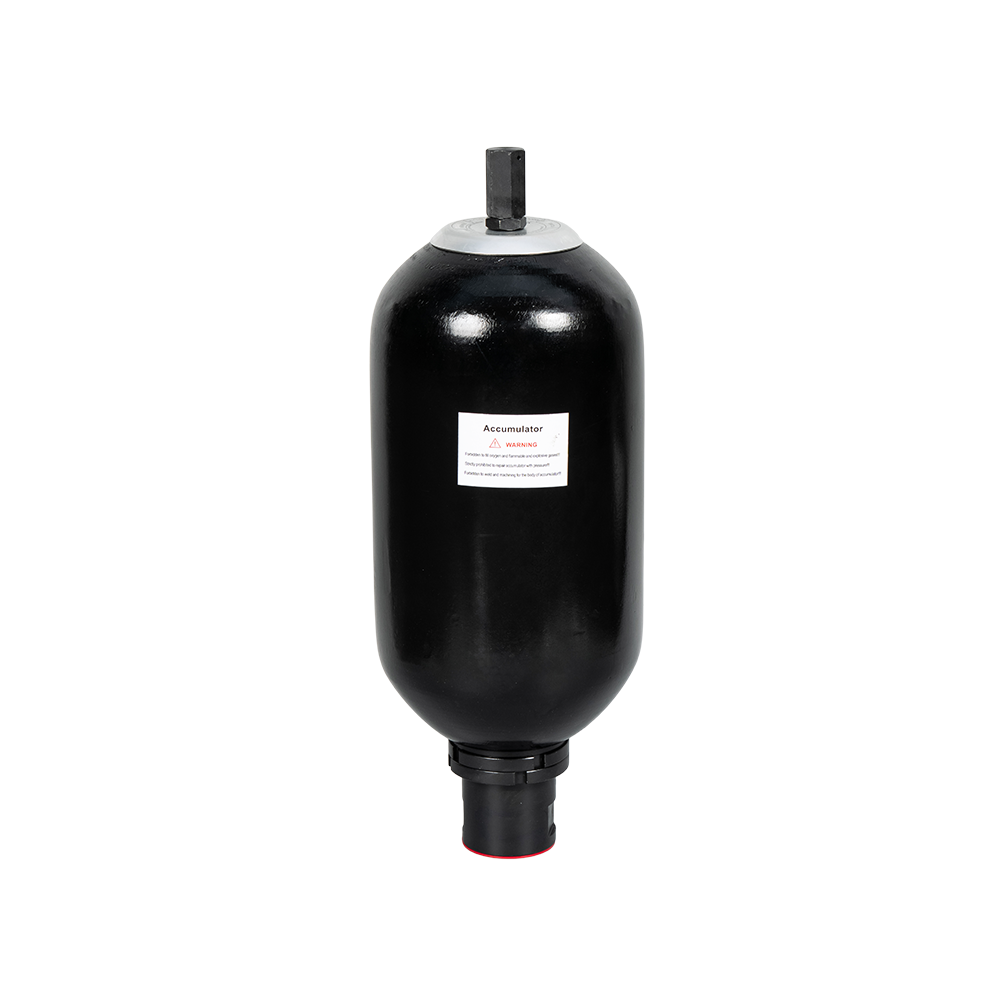
PED-type bladder accumulators refer to bladder accumulators that comply with the EU PED Directive (2014/68/EU). These accumulators typically consist of a steel outer shell and an internal elastic blad...
See Details -
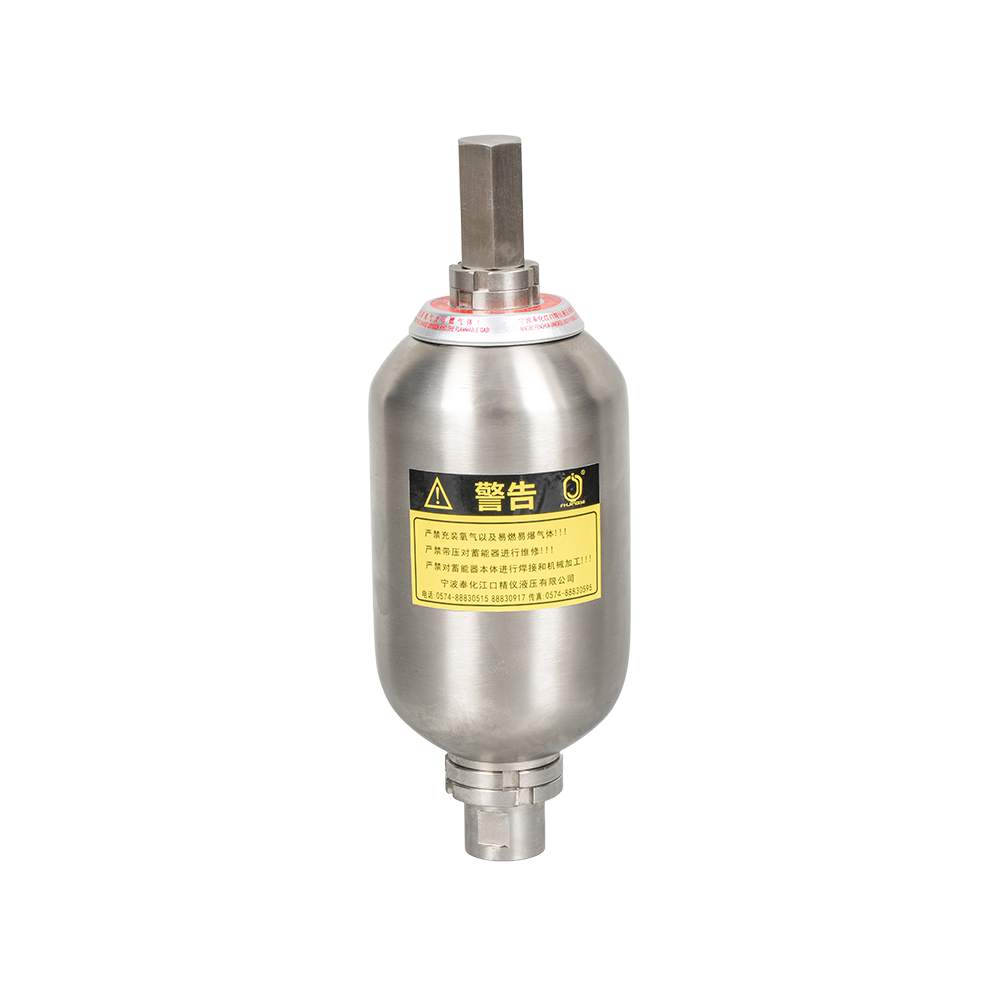
A stainless steel bladder accumulator is an energy storage device used in hydraulic systems. It utilizes the compressibility of a gas (usually nitrogen) to store and release energy, primarily for stab...
See Details
News
-
A harvester header that sags a few centimetres every time pump load spikes, or a reel that surges as the engine drops to idle, points to the same root cause: pressure fluctuation that nothing in the circuit is...
READ MORE -
Diaphragm accumulators adopt a diaphragm separation structure. They are compact in size, leak-proof, and highly responsive, making them suitable for pressure stabilization and small flow compensation in micro h...
READ MORE -
A 315 bar clamping circuit on a die-casting machine has to hold force for about two seconds after the pump stops. A one litre diaphragm accumulator covers that duty with a precharge that stays within a few per...
READ MORE -
Picture a 3 MW turbine on a cold February night. The hydraulic power unit trips, the pump stops, and the pitch system has seconds to feather three blades. The only energy left is the nitrogen precharge sitting...
READ MORE -
A wellhead control panel on an offshore platform often carries less than two litres of usable hydraulic fluid behind each actuator. When the pump stops, that small volume still has to stroke a valve, hold it o...
READ MORE -
A hydraulic rock drill striking 2,500 times a minute pushes a pressure pulse into its circuit every 24 milliseconds. The hose flexes, the seals wear, and the pump sees the reflected wave. Diaphragm accumulator...
READ MORE
contact us

-

-

Mobile: +86-574-88830515
-

Telephone: +86-15968431761
-

No. 12 Xujiabu, Xikou Town, Fenghua District, Ningbo City, Zhejiang Province, P.R.China