
 Español
 中文简体
中文简体A diaphragm accumulator is a mechanical device that stores and releases energy using Boyle's Law (the compressibility of gases). Its core structure is a diaphragm made of a flexible material (usually ...
See Details
Home / News / Industry News / Diaphragm Accumulator for Injection Molding Machine: Selection & Maintenance Guide
Diaphragm Accumulator for Injection Molding Machine: Selection & Maintenance Guide
Admin 2026-09-18Content
- 1 Why Diaphragm Accumulators Are Essential for Injection Molding Machines
- 2 Diaphragm Accumulator vs. Other Types in Injection Molding
- 3 How to Select the Right Diaphragm Accumulator for Your Injection Molding Machine
- 4 Data & Capacity Comparison: Why Diaphragm Accumulators Lead in Production Scale
- 5 Installation and Maintenance Best Practices
- 6 Frequently Asked Questions
- 7 Conclusion
During a typical injection molding cycle, the hydraulic system demands a sudden surge of oil to drive the injection screw forward at high speed. If the pump alone supplies this flow, it must be oversized, wasting energy during the rest of the cycle. The solution: a diaphragm accumulator that stores pressurized hydraulic fluid during low-demand periods and releases it instantly when the machine needs peak flow. This approach not only shrinks pump size and energy consumption but also stabilizes pressure for consistent part quality. For injection molders seeking compact, responsive energy storage, the diaphragm accumulator is the most practical choice.
Why Diaphragm Accumulators Are Essential for Injection Molding Machines
Four operational needs make accumulators indispensable in injection molding:
- High-speed injection – Thin-walled or complex parts require fast cavity fill. A diaphragm accumulator delivers the extra flow without overloading the pump.
- Pressure holding – During packing and cooling phases, the accumulator maintains clamp and injection pressure, preventing sink marks and shrinkage.
- Energy savings – With an accumulator, the pump runs intermittently, reducing motor load and cutting electricity bills by up to 30% in high-cycle applications.
- Extended pump life – By absorbing pressure spikes and shock loads, the accumulator protects the pump and valves from wear.
The diaphragm design excels here because its lightweight membrane responds in milliseconds, making it ideal for the rapid cycling of injection molding.
Diaphragm Accumulator vs. Other Types in Injection Molding
Choosing the right accumulator type directly affects machine performance and total cost. The table below compares the three common designs used in injection molding.
| Feature | Diaphragm Accumulator | Bladder Accumulator | Piston Accumulator |
|---|---|---|---|
| Response time | Very fast (msec) | Fast | Moderate |
| Compactness | Excellent (lightweight) | Good | Bulky |
| Maintenance | Low (no seal wear) | Moderate (bladder replacement) | High (piston seals) |
| Operating pressure | Up to 500 bar | Up to 350 bar | Up to 480 bar |
| Typical capacity range | 0.1–4 L | 0.5–50 L | 1–200 L |
| Cost per cycle | Low | Medium | High |
For injection molding machines that require small capacity, fast response, and minimal maintenance, the diaphragm type is the clear winner. Its compact body fits easily into tight machine frames, and the simple elastomeric diaphragm eliminates the need for dynamic seals.
How to Select the Right Diaphragm Accumulator for Your Injection Molding Machine
Key parameters to consider
- Volume – Typically 0.5–4 liters for standard injection units. Calculate based on the volume needed for a single injection stroke plus pressure drop allowance.
- Pre-charge pressure – Usually 70–80% of minimum system pressure. Too low a pre-charge reduces stored energy; too high may cause the diaphragm to bottom out.
- Material compatibility – Standard diaphragms use nitrile rubber (NBR). For phosphate ester fluids or high temperatures, choose FKM or EPDM diaphragms.
- Certification – Ensure the accumulator holds recognized approvals such as CE and ASME, especially for export machines.
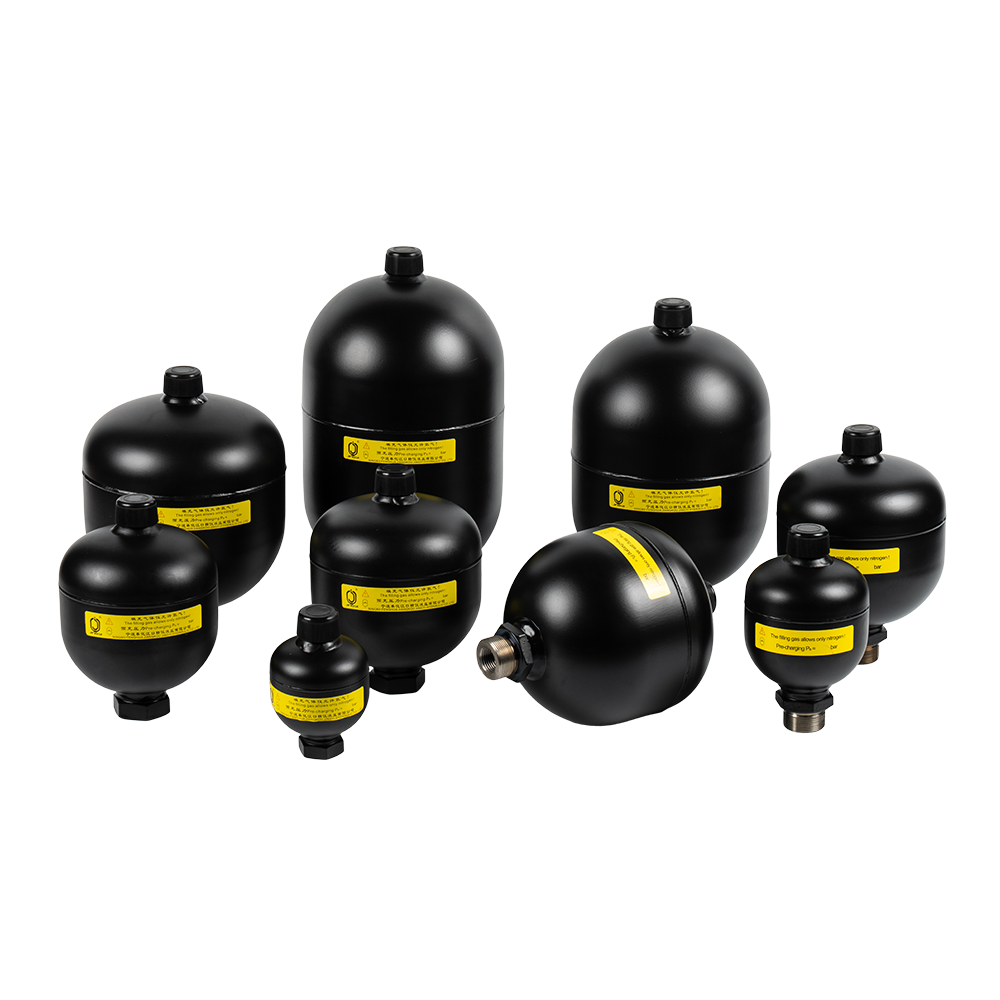 Compact Diaphragm Accumulator for Fast Cycling and Energy SavingsDesigned for injection molding machines needing small capacity and quick response, this diaphragm accumulator also pairs with servo-driven pumps to cut energy use by over 20% in retrofit applications.View Product →
Our industrial equipment customers frequently pair diaphragm accumulators with servo-driven pumps to achieve energy savings surpassing 20%. The small footprint and fast cycling make these accumulators ideal for retrofitting existing machines as well.
Data & Capacity Comparison: Why Diaphragm Accumulators Lead in Production Scale
Production capacity directly affects lead times and pricing consistency. The chart below shows the annual output of different accumulator types at our manufacturing facility, demonstrating our strong focus on diaphragm technology.
Annual Production Capacity by Accumulator Type
Note: The graphic illustrates approximate capacity ratios; actual data available upon request.
With an annual capacity exceeding 100,000 units for diaphragm accumulators alone, we deliver consistent quality and fast turnaround even for large-volume orders. This scale also allows us to offer competitive pricing without compromising on materials or testing.
Installation and Maintenance Best Practices
- Mounting – Install the accumulator vertically with the oil port at the bottom to prevent gas entrapment.
- Pre-charge check – Use a dedicated charging kit to set and verify nitrogen pre-charge before first operation and every 6 months thereafter.
- Temperature limits – Keep fluid temperature within the diaphragm material’s rated range (typically -10°C to +80°C for NBR).
- Leak test – Inspect all connections and the gas valve annually. A sudden pressure drop usually indicates a diaphragm rupture.
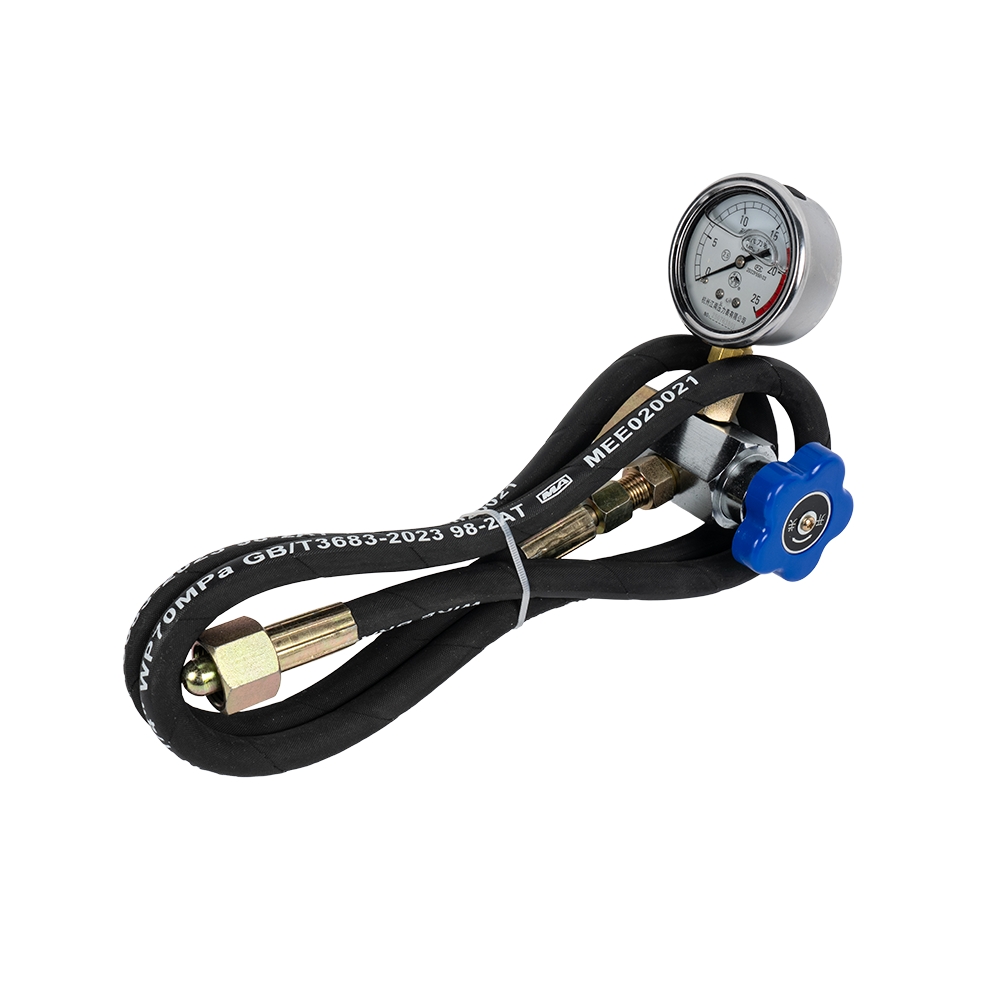 5/8 UNF Charging Kit for Hydraulic Accumulator Pre-ChargeThis high-pressure nitrogen charging kit with 5/8-18UNF connector simplifies pre-charge adjustments in tight spaces, making it an essential tool for pairing with diaphragm accumulators in energy-saving retrofits.View Product →
Our 5/8″ UNF charging kit makes pre-charge adjustments straightforward even in tight machine spaces. Pair it with the accumulator for a complete, reliable energy storage solution.
Frequently Asked Questions
Can I use a diaphragm accumulator with water-glycol fluids?
Yes, but only if the diaphragm is made of EPDM or a compatible elastomer. Standard NBR diaphragms will swell when exposed to water-glycol blends.
What is the typical service life of a diaphragm accumulator?
With correct pre-charge and proper fluid cleanliness, a diaphragm accumulator can last over 1 million cycles or 3–5 years in normal injection molding service. Regular pre-charge checks extend this life.
How do I know if the diaphragm has failed?
A sudden drop in system pressure, noisy pump operation, or loss of injection speed are common symptoms. Measuring pre-charge pressure at the gas valve with zero oil pressure gives the definitive diagnosis.
Conclusion
For injection molding machines, a diaphragm accumulator offers the best balance of rapid response, compact size, low maintenance, and energy efficiency. When selecting one, pay attention to volume, pre-charge, material compatibility, and manufacturer certifications. With proven production capacity and years of specialized experience, a certified manufacturer like Jingyi Hydraulic can supply reliable diaphragm accumulators that keep your molding lines running at peak performance.
PREV: No previous articleNEXT: Diaphragm Accumulator for Construction Cranes | Sizing, Benefits & Maintenance
Related Products
-
-
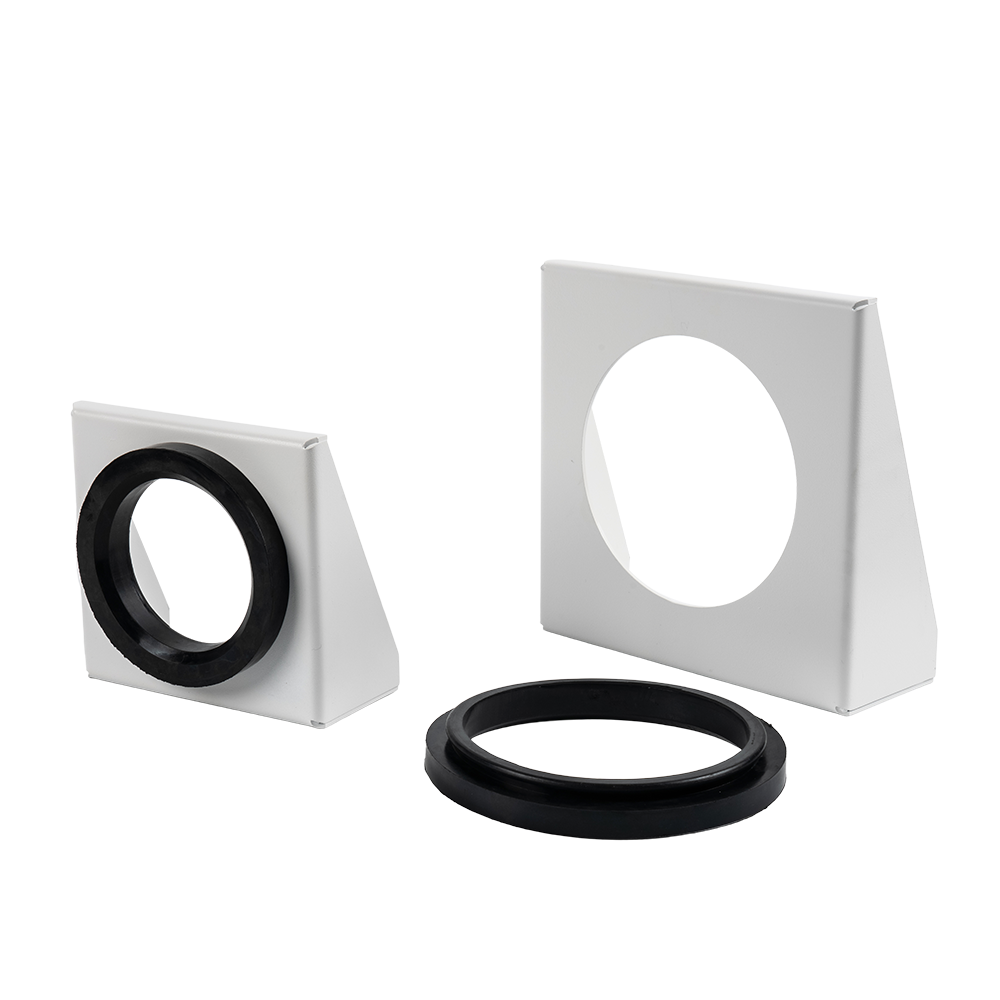
An accumulator bracket is a mechanical device used to fix and support a hydraulic accumulator.
See Details -
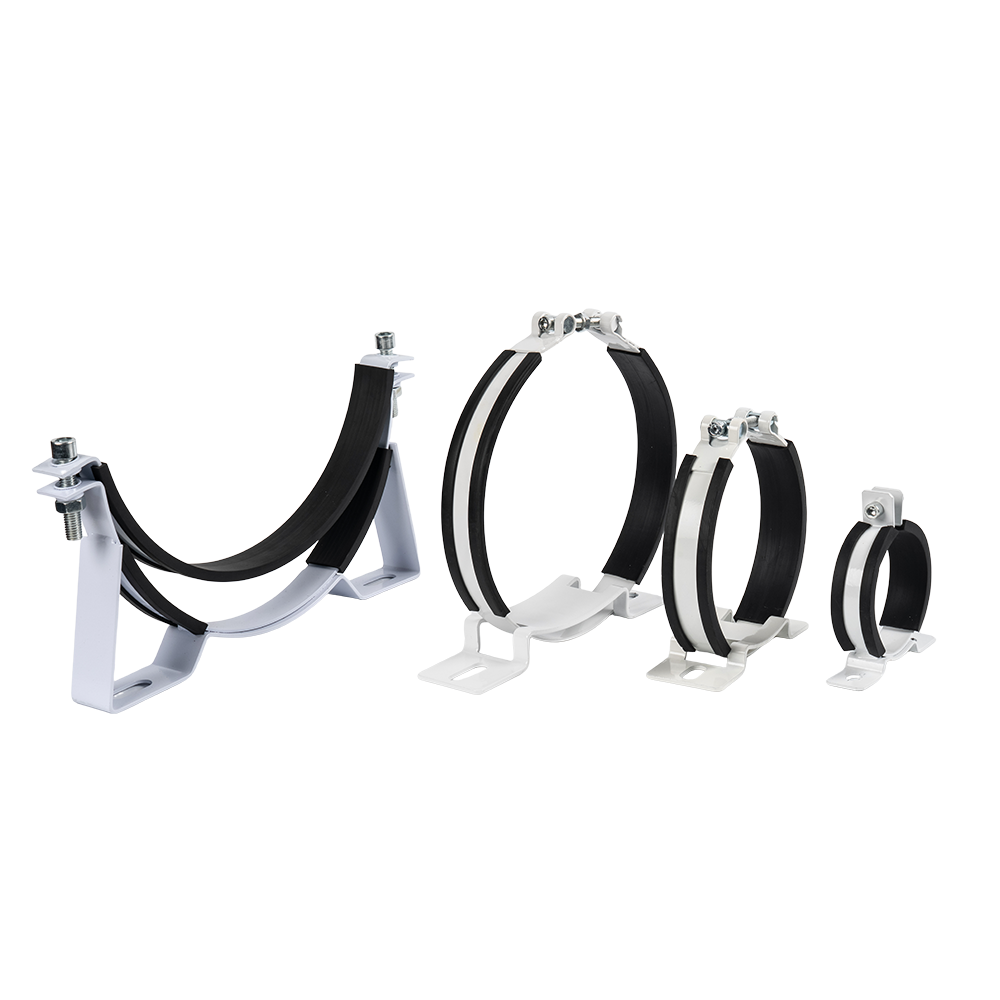
An accumulator clamp is a metal fastener specifically designed for securing and supporting hydraulic or pneumatic accumulators. Its primary function is to prevent the accumulator from swaying, deformi...
See Details -
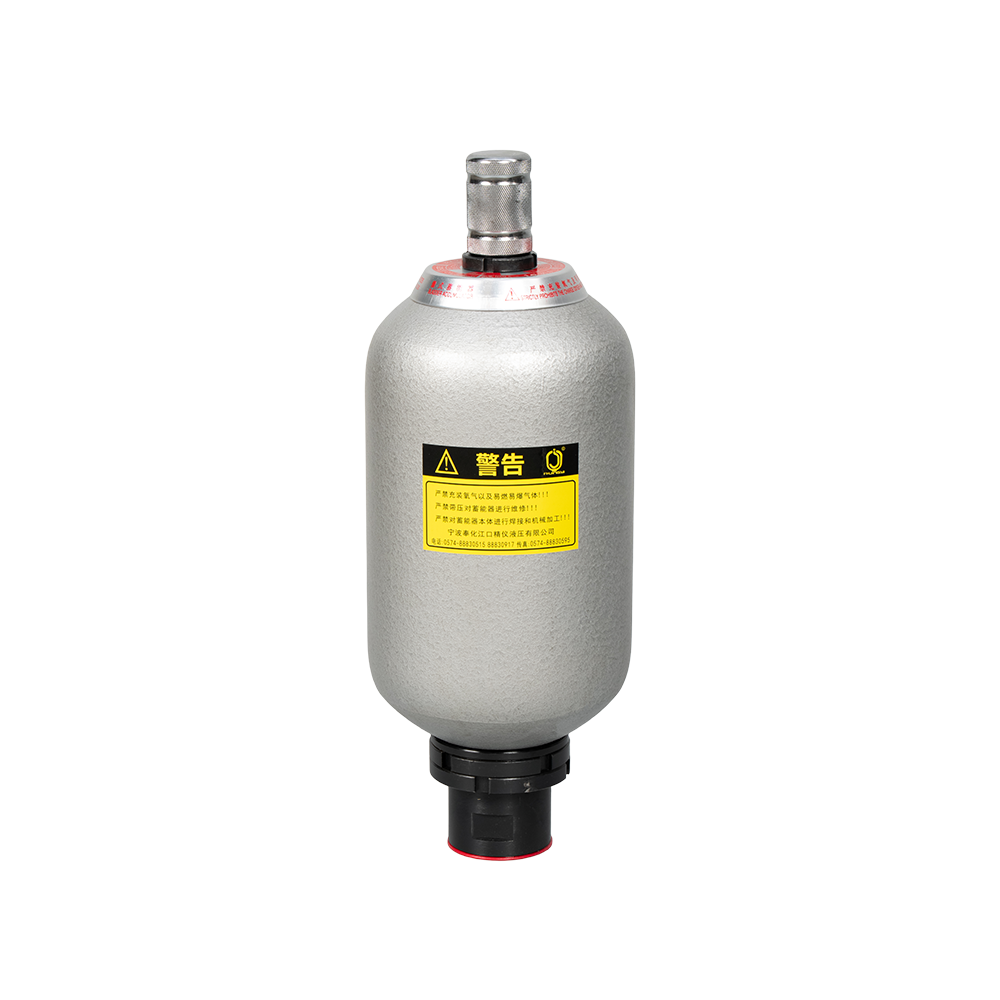
The NXQ Series Bladder Accumulator is a bladder-type accumulator conforming to national standards (JB/T 7036-93) or HG2331. Its core component is the "bladder" or "capsule," hence the name. This serie...
See Details -
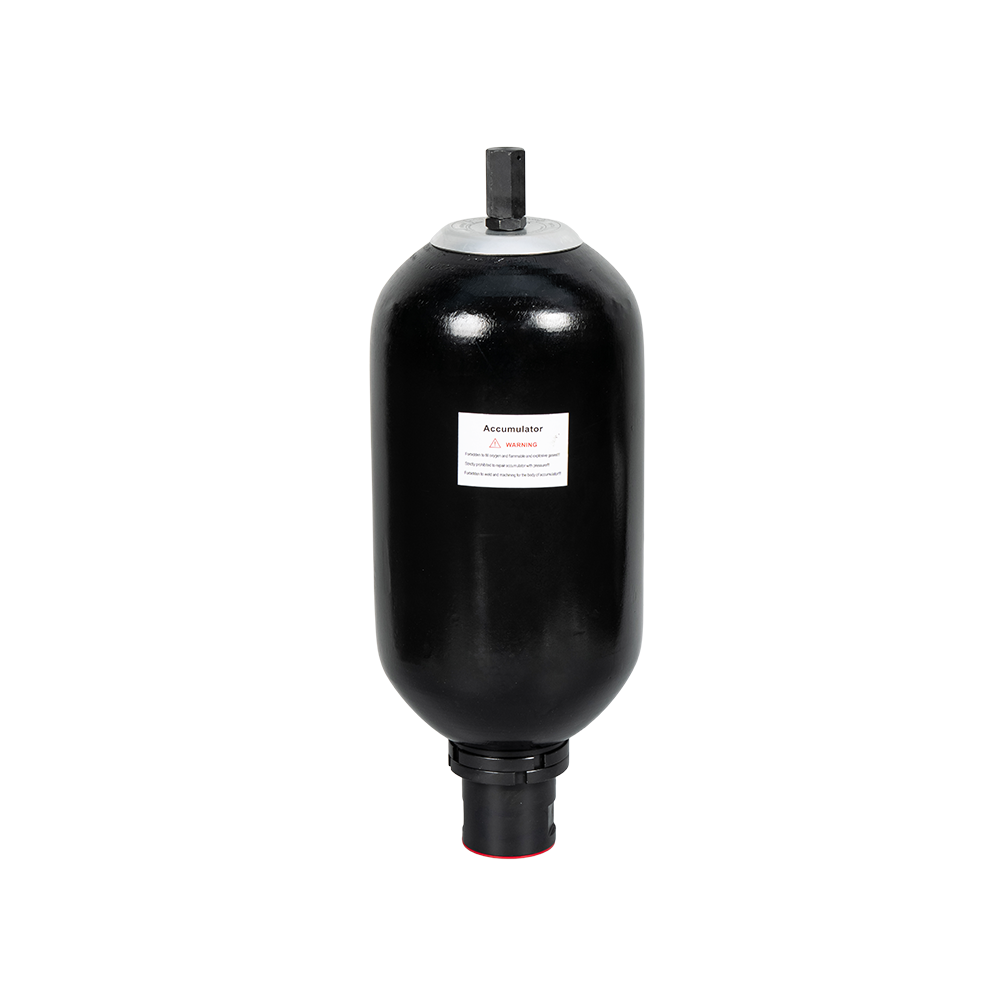
PED-type bladder accumulators refer to bladder accumulators that comply with the EU PED Directive (2014/68/EU). These accumulators typically consist of a steel outer shell and an internal elastic blad...
See Details -
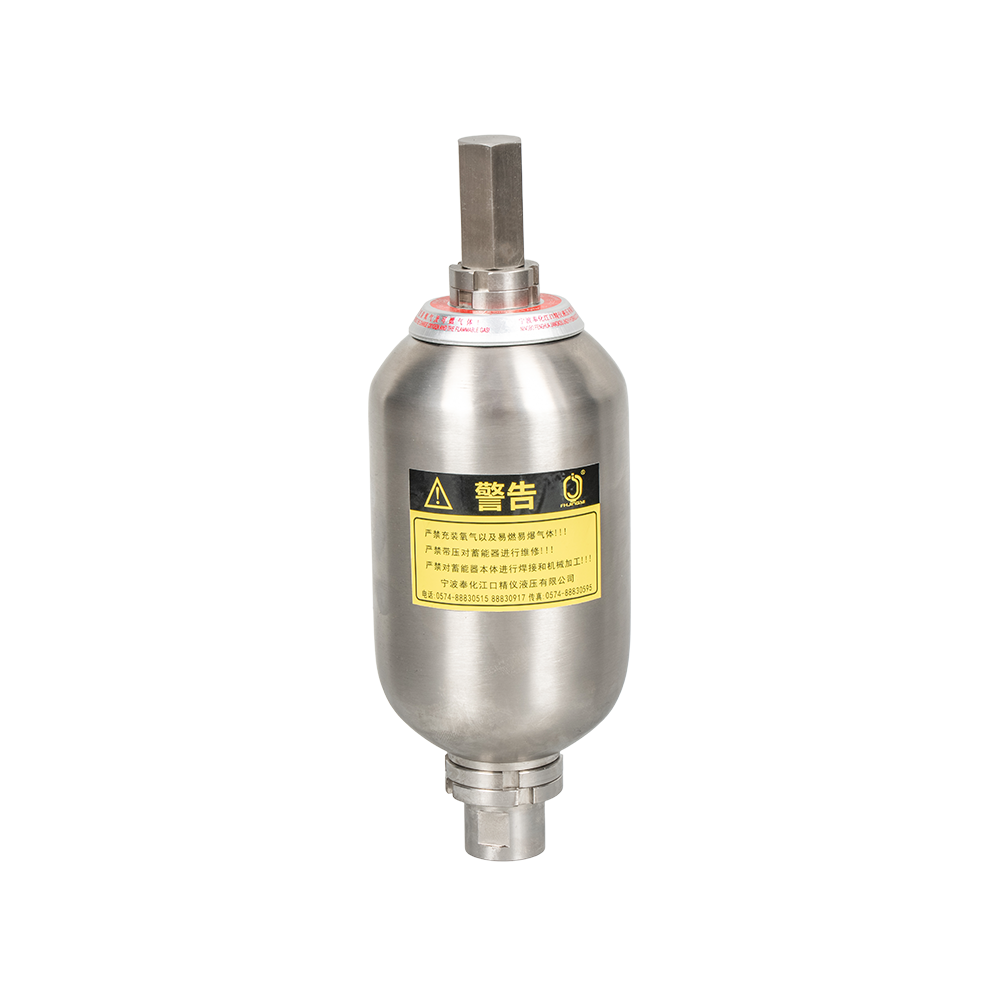
A stainless steel bladder accumulator is an energy storage device used in hydraulic systems. It utilizes the compressibility of a gas (usually nitrogen) to store and release energy, primarily for stab...
See Details
News
-
When a 180-ton mobile crane lowers a fully loaded boom, the inertia can push hydraulic pressure above 400 bar in the luffing cylinder in less than a second. Without a device to absorb that peak, seals fail ear...
READ MORE -
A harvester header that sags a few centimetres every time pump load spikes, or a reel that surges as the engine drops to idle, points to the same root cause: pressure fluctuation that nothing in the circuit is...
READ MORE -
What Is an Accumulator Charging Kit and What Does It Do? An accumulator charging kit is a specialized set of tools used to safely charge, check, and adjust the nitrogen gas pre-charge pressure inside hydraulic...
READ MORE -
Diaphragm accumulators adopt a diaphragm separation structure. They are compact in size, leak-proof, and highly responsive, making them suitable for pressure stabilization and small flow compensation in micro h...
READ MORE -
The maintenance log on a small clamping circuit shows the same pattern twice a year: a bladder accumulator loses its nitrogen pre-charge, the pump cycles every few seconds, and the standard bladder kit no long...
READ MORE -
Your hydraulic system is pitting. Salt water, chemical washdown, or process fluid is attacking the accumulator shell. Standard carbon steel or even 304 stainless steel cannot withstand the chloride levels in m...
READ MORE
contact us

-

-

Mobile: +86-574-88830515
-

Telephone: +86-15968431761
-

No. 12 Xujiabu, Xikou Town, Fenghua District, Ningbo City, Zhejiang Province, P.R.China