
 Español
 中文简体
中文简体A stainless steel bladder accumulator is an energy storage device used in hydraulic systems. It utilizes the compressibility of a gas (usually nitrogen) to store and release energy, primarily for stab...
See Details
Home / News / Industry News / 316 Stainless Steel Diaphragm Accumulator | Corrosion-Resistant Energy Storage
316 Stainless Steel Diaphragm Accumulator | Corrosion-Resistant Energy Storage
Admin 2026-09-04Content
- 1 What Is a 316 Stainless Steel Diaphragm Accumulator?
- 2 Why Material Choice Matters in Corrosive Hydraulic Systems
- 3 Key Applications Across Corrosive Industries
- 4 How to Select the Right 316 Stainless Steel Diaphragm Accumulator
- 5 Installation and Maintenance Best Practices
- 6 Frequently Asked Questions
- 6.1 What is the difference between 304 and 316 stainless steel for diaphragm accumulators?
- 6.2 Can a 316 stainless steel diaphragm accumulator be used in food-grade applications?
- 6.3 What is the typical pre-charge pressure?
- 6.4 How often should the pre-charge be checked?
- 6.5 What is the service life of a diaphragm?
- 7 Conclusion: Invest in the Right Material
Your hydraulic system is pitting. Salt water, chemical washdown, or process fluid is attacking the accumulator shell. Standard carbon steel or even 304 stainless steel cannot withstand the chloride levels in many marine and petrochemical environments. A 316 stainless steel diaphragm accumulator solves this problem by combining a compact diaphragm design with molybdenum-enhanced corrosion resistance. At our factory, we manufacture more than 100,000 diaphragm accumulators per year, and demand for the 316 stainless steel version continues to rise because it solves a real operating problem rather than simply meeting a specification.
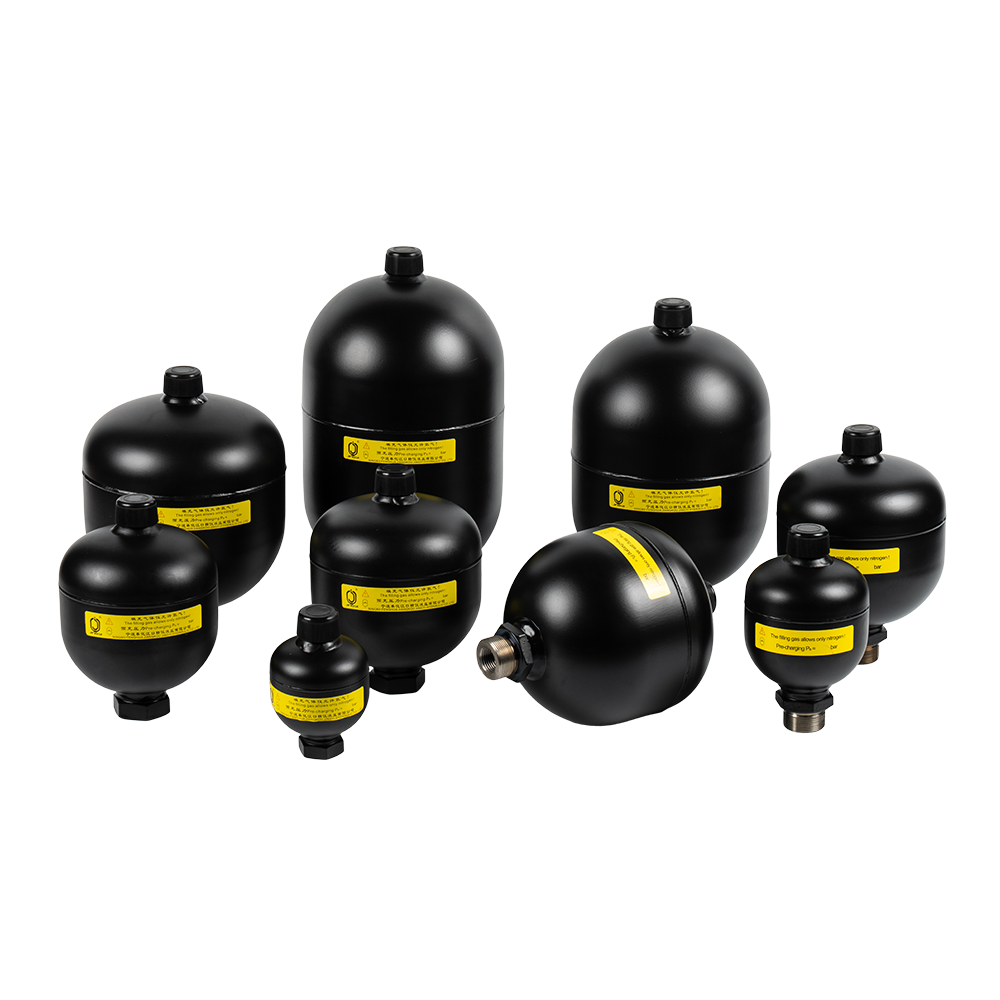 316 Stainless Steel Diaphragm Accumulator for Corrosive EnvironmentsThis diaphragm accumulator features a 316 stainless steel shell with molybdenum-enhanced corrosion resistance, making it suitable for marine and petrochemical systems where chloride attack is a concern. It stores hydraulic energy while protecting against pitting and leakage.View Product →
What Is a 316 Stainless Steel Diaphragm Accumulator?
A diaphragm accumulator is a hydraulic energy storage device that uses a flexible elastomer diaphragm to separate a compressible gas chamber from an incompressible fluid chamber. When hydraulic fluid enters the fluid side, the diaphragm deflects and compresses the nitrogen charge. When system pressure drops, the gas pushes the fluid back into the circuit. Because the diaphragm flexes instead of sliding, there is no friction wear, no seal leakage, and the unit remains compact.
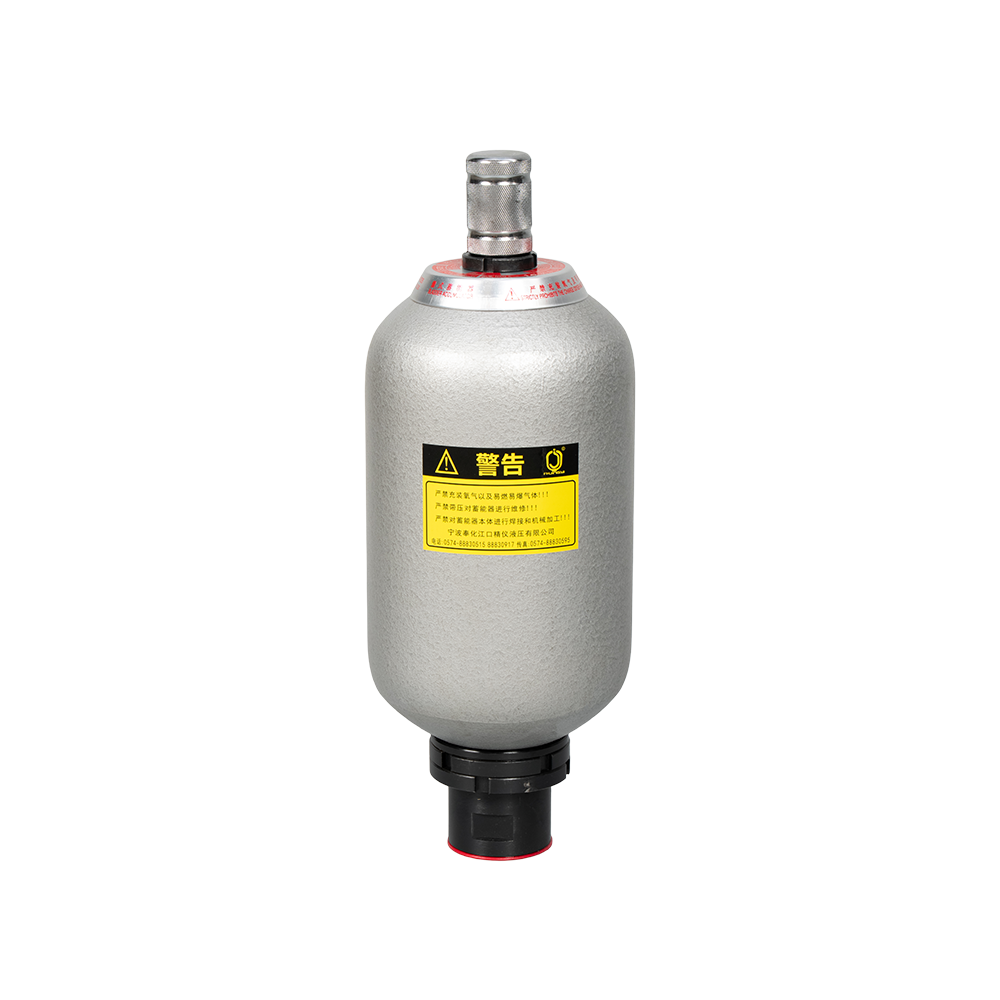 Industrial Hydraulic Accumulator Supplier Offering 316 Stainless Steel OptionsThis supplier provides a range of hydraulic accumulators, including bladder and diaphragm types, with 316 stainless steel construction for improved pitting resistance in chloride-rich environments such as seawater and chemical processing.View Product →
The Role of 316 Stainless Steel in the Shell
The shell is made from 316 stainless steel, an alloy containing 16-18% chromium, 10-14% nickel, and 2-3% molybdenum. The molybdenum content is the key differentiator. It improves pitting resistance in chloride-rich environments, which is exactly why 316 stainless steel is preferred in seawater exposure, chemical processing, and food-grade applications.
Typical Specifications
- Volume range: 0.1 to 10 liters, with custom sizes available
- Working pressure: 100 to 300 bar, depending on certification
- Charging valve: 5/8UNF, CQJ, or FPU kits, depending on the circuit
- Diaphragm materials: NBR for mineral oil, EPDM for water-based fluids, PTFE-coated for aggressive chemicals
Why Material Choice Matters in Corrosive Hydraulic Systems
Not all stainless steel is equal. When the hydraulic fluid contains chlorides, sulfides, or organic acids, the shell material determines the entire service life of the accumulator. The table below compares standard options for diaphragm accumulators.
| Property | Carbon Steel | 304 Stainless Steel | 316 Stainless Steel |
|---|---|---|---|
| PREN (Pitting Resistance Equivalent) | ~0 | ~19 | ~25-26 |
| Chloride Tolerance | Low | Moderate | High |
| Compatibility with Food & Pharma | No | Limited | Yes |
| Weldability | Good | Good | Good |
| Cost Level | Low | Medium | Higher |
The key takeaway is straightforward: if the system sees chlorides or aggressive chemicals, select 316 stainless steel. The upfront cost premium is typically 20-30% over carbon steel, but an unplanned shell failure can cost far more in downtime, lost media, and contaminated product.
Key Applications Across Corrosive Industries
Engineers specify 316 stainless steel diaphragm accumulators in four major sectors where corrosion resistance is non-negotiable:
- Marine and Offshore: The alloy resists seawater corrosion in ballast control systems, drill platform accumulator banks, and winch hydraulic circuits.
- Petrochemical Plants: Process fluid contains chlorides, sulfides, and organic acids that rapidly attack standard shells.
- Food and Pharmaceutical: Hygiene and clean-in-place requirements demand non-porous, non-corrosive surfaces. 316 stainless steel paired with EPDM or PTFE diaphragms meets food safety expectations.
- Industrial Equipment: Precision machine tools and press systems benefit from the compact diaphragm design and long life in coolant-laden environments.
The distribution below shows how these sectors apply 316 stainless steel diaphragm accumulators in daily operations.
- Marine & Offshore - 30%
- Petrochemical - 25%
- Food & Pharma - 20%
- Industrial Equipment - 15%
- Other - 10%
For small precision hydraulic systems, 316 stainless steel diaphragm accumulators also deliver clean, compact energy storage without the risk of rust particles entering the circuit. A detailed guide on diaphragm accumulators for small precision systems explains how these components support motion control and shock suppression in compact machinery.
How to Select the Right 316 Stainless Steel Diaphragm Accumulator
Choosing the correct accumulator is a procurement decision that directly impacts long-term reliability. Consider these five parameters before placing an order:
- Pressure rating: Determine the maximum working pressure of your system, then verify the supplier's PED or CE certification. Our A2 pressure vessel manufacturing license covers high-pressure designs up to the full range of our accumulator line.
- Volume: Match the effective gas volume to the required fluid displacement. Diaphragm accumulators are typically available from 0.1 to 10 liters. Larger energy requirements may require a piston or bladder design instead.
- Diaphragm material: NBR (nitrile) is standard for petroleum-based hydraulic oil. EPDM is preferred for water-based fluids and many food-contact applications. PTFE-coated diaphragms offer maximum chemical resistance.
- Connection type: Threaded or flanged ports must match your hydraulic circuit. Also plan the charging valve connection—5/8UNF, CQJ, or FPU—before ordering the matching charging kit.
- Manufacturer capability: Look for a valid pressure vessel manufacturing license and CE marking. Proof of consistent production capacity also matters for repeat orders.
Installation and Maintenance Best Practices
A high-grade 316 stainless steel shell does not remove the need for correct installation and servicing. Follow these practices to get the full service life from your accumulator:
- Pre-charge the gas side to the specified nitrogen pressure before installation. Use a certified charging kit and always verify the pressure with an accurate gauge.
- Mount the accumulator in an accessible position. Diaphragm models operate in any orientation, but a vertical position helps gas stay separated from the fluid.
- Check the pre-charge pressure at least every 6 months. Systems with frequent cycling, high temperature swings, or vibration should be checked every 3 months.
- Inspect the diaphragm for swelling, cracks, or chemical attack after every 500,000 cycles or at least once a year, whichever comes first.
- Monitor the system pressure to prevent over-pressurization. Exceeding the rated working pressure is the leading cause of premature diaphragm failure.
Frequently Asked Questions
What is the difference between 304 and 316 stainless steel for diaphragm accumulators?
304 stainless steel contains no molybdenum, making it vulnerable to chloride pitting and crevice corrosion. 316 stainless steel adds 2-3% molybdenum, which significantly improves resistance in marine and chemical environments.
Can a 316 stainless steel diaphragm accumulator be used in food-grade applications?
Yes. When combined with a food-grade diaphragm material such as EPDM or PTFE and a suitable surface finish, 316 stainless steel is widely accepted for food and beverage systems. Many clean-in-place processes require 316L (low carbon grade) for better weldability and corrosion resistance.
What is the typical pre-charge pressure?
The pre-charge pressure is generally set at 80-90% of the minimum working pressure. Exceeding this range can cause the diaphragm to over-travel and fail. Always follow the manufacturer's recommendation for your specific model.
How often should the pre-charge be checked?
At least every 6 months. In high-vibration, high-cycle, or high-temperature systems, the pre-charge should be checked quarterly. Nitrogen can slowly permeate the diaphragm over time, changing the response characteristics.
What is the service life of a diaphragm?
With correct pre-charge maintenance and media compatibility, a diaphragm typically lasts over 500,000 cycles. Aggressive media, high operating frequency, off-spec fluid, or running with incorrect pre-charge pressure will shorten the life substantially.
Conclusion: Invest in the Right Material
When hydraulic fluid carries chlorides, acids, or thermal stress, a 316 stainless steel diaphragm accumulator is the responsible choice. It costs more upfront but saves money over the life of the system by avoiding downtime, contamination, and premature replacement.
Our factory in Ningbo, China, has been building accumulators since 2012. We hold the Chinese A2 pressure vessel manufacturing license and the EU CE certification for international markets. With a workshop area of more than 5,000 square meters and 100,000 diaphragm accumulators per year, we supply volume requirements at a factory-direct price.
If you are specifying an accumulator for a corrosive or hygienic environment, contact our engineering team. We can match the right volume, pressure rating, and diaphragm material to your circuit.
PREV: Diaphragm Accumulator for Agricultural Harvester: Sizing and Buying GuideNEXT: CE Certified Accumulator Buyer's Guide: PED Compliance, Types, and Sourcing
Related Products
-
-
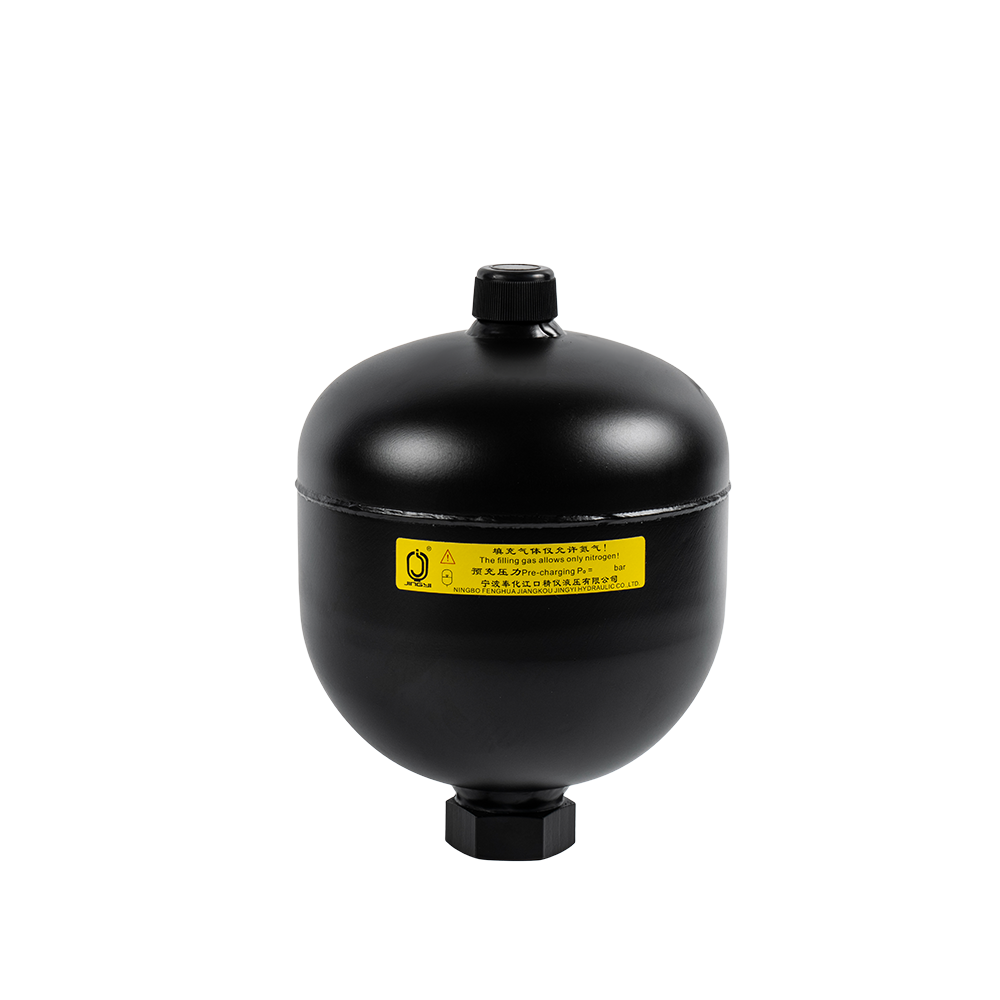
A diaphragm accumulator is a mechanical device that stores and releases energy using Boyle's Law (the compressibility of gases). Its core structure is a diaphragm made of a flexible material (usually ...
See Details -
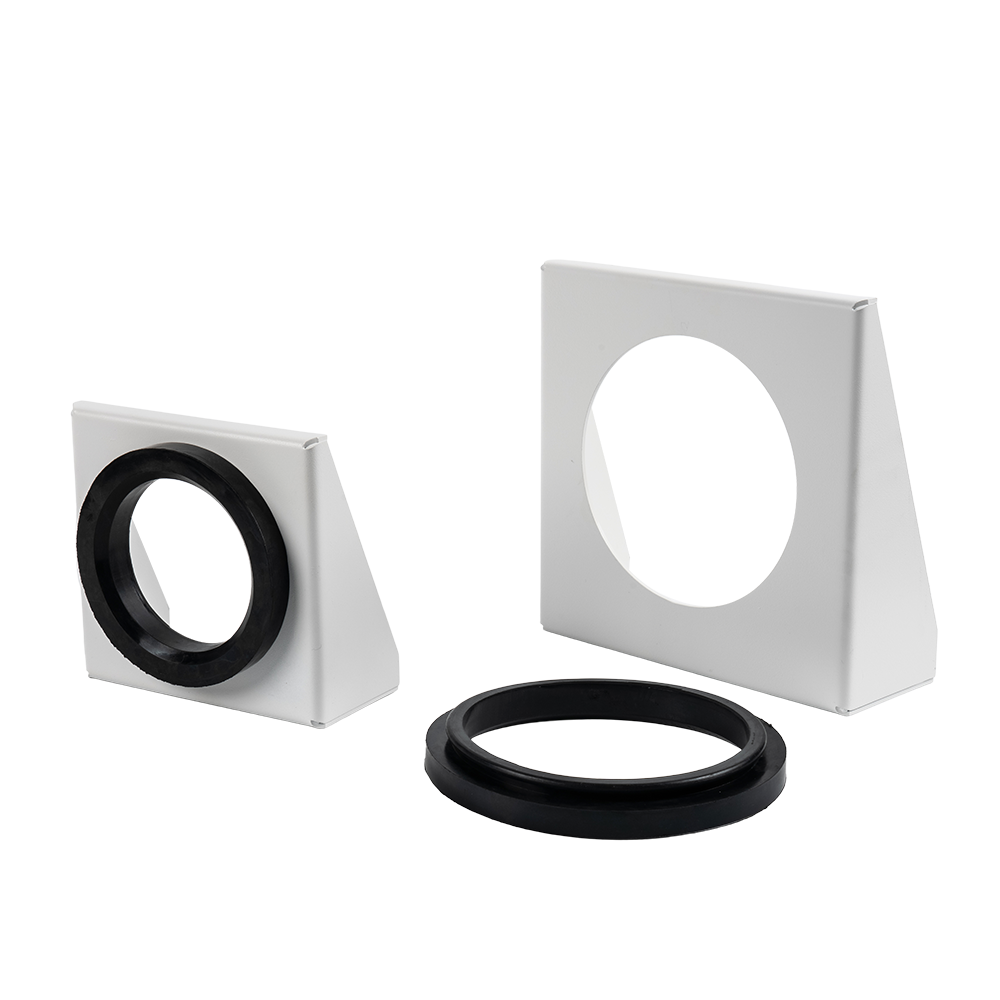
An accumulator bracket is a mechanical device used to fix and support a hydraulic accumulator.
See Details -
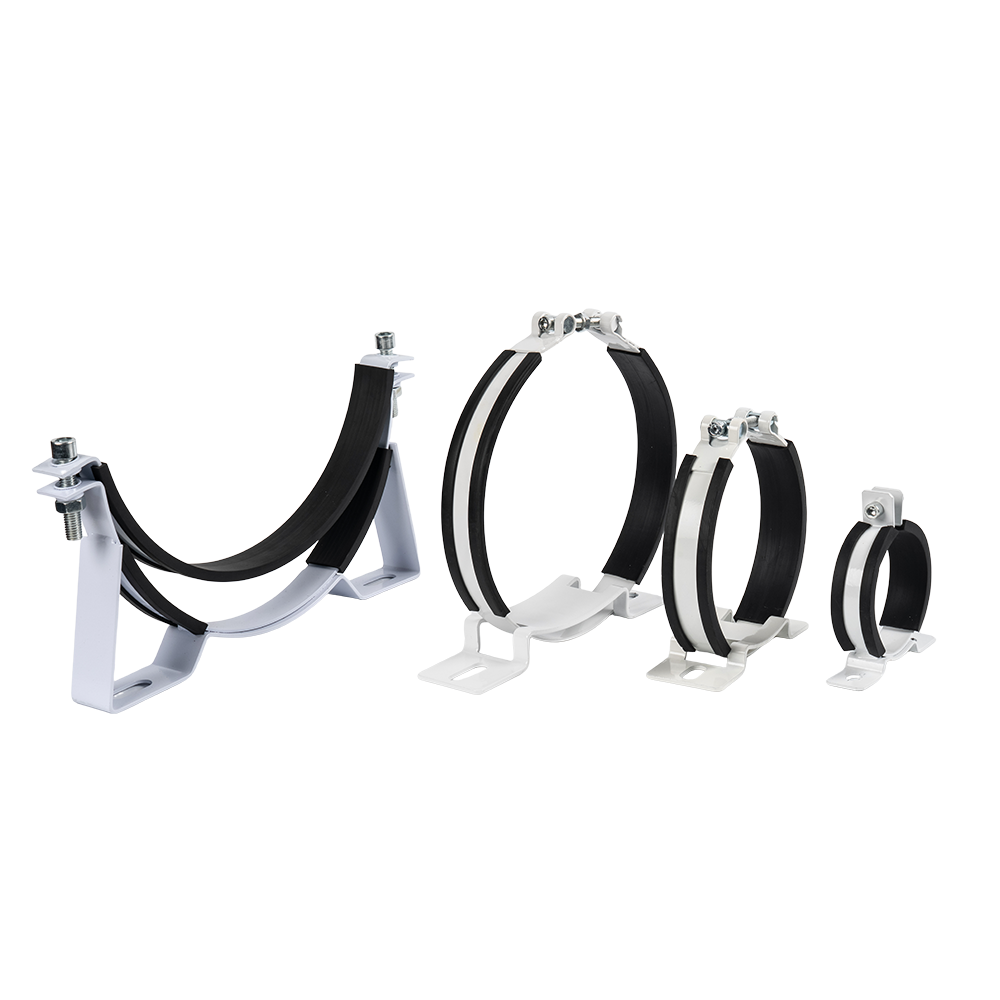
An accumulator clamp is a metal fastener specifically designed for securing and supporting hydraulic or pneumatic accumulators. Its primary function is to prevent the accumulator from swaying, deformi...
See Details -

The NXQ Series Bladder Accumulator is a bladder-type accumulator conforming to national standards (JB/T 7036-93) or HG2331. Its core component is the "bladder" or "capsule," hence the name. This serie...
See Details -
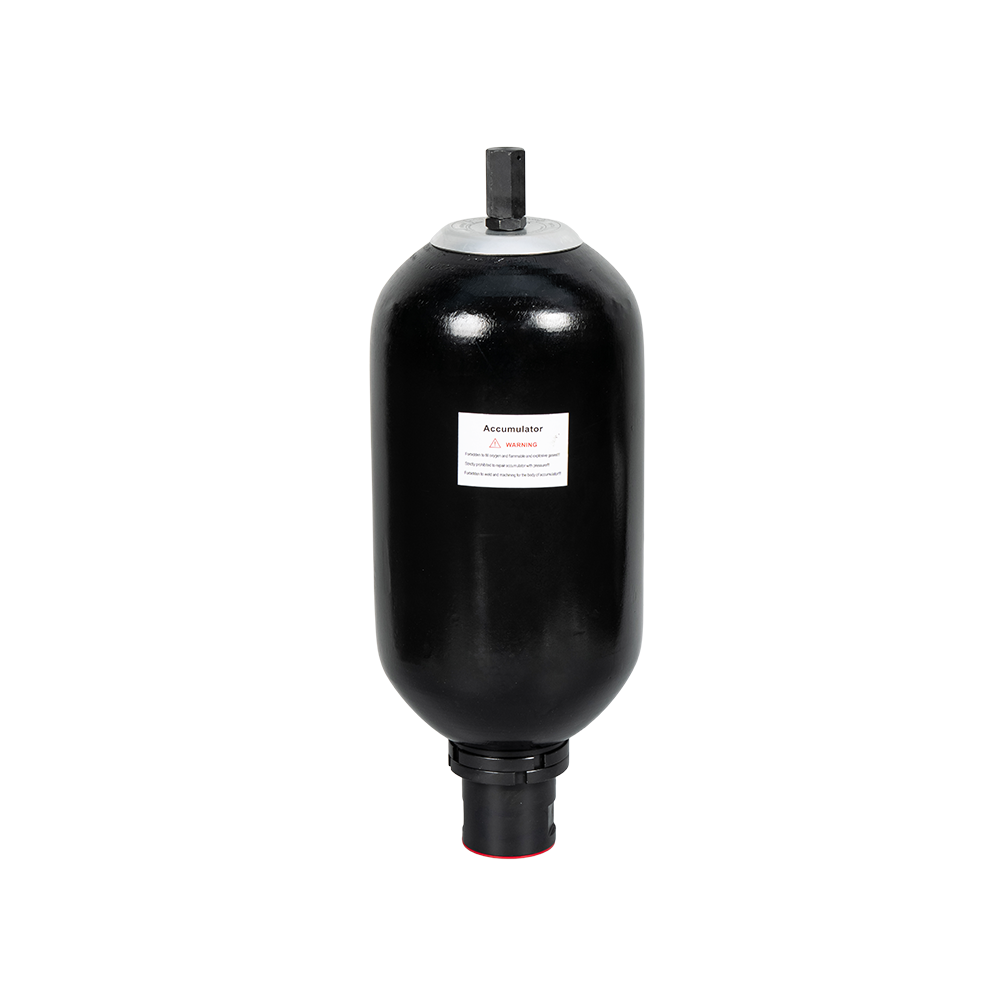
PED-type bladder accumulators refer to bladder accumulators that comply with the EU PED Directive (2014/68/EU). These accumulators typically consist of a steel outer shell and an internal elastic blad...
See Details
News
-
During a typical injection molding cycle, the hydraulic system demands a sudden surge of oil to drive the injection screw forward at high speed. If the pump alone supplies this flow, it must be oversized, wast...
READ MORE -
Imagine a machine that needs a short burst of high flow for only five seconds out of every forty-second cycle. If the pump is sized for that peak, the rest of the time it runs oversized, generates unnecessary ...
READ MORE -
Piston accumulators separate gas and fluid with metal pistons. They feature strong pressure resistance and a wide range of volume options, enabling high-pressure energy storage and long-term pressure maintenanc...
READ MORE -
When a 180-ton mobile crane lowers a fully loaded boom, the inertia can push hydraulic pressure above 400 bar in the luffing cylinder in less than a second. Without a device to absorb that peak, seals fail ear...
READ MORE -
A harvester header that sags a few centimetres every time pump load spikes, or a reel that surges as the engine drops to idle, points to the same root cause: pressure fluctuation that nothing in the circuit is...
READ MORE -
Every hydraulic system has a moment when demand exceeds supply. A molding press calls for a sudden surge of fluid; a wind turbine pitch drive needs a short burst of power; a hydraulic rig requires emergency pr...
READ MORE
contact us

-

-

Mobile: +86-574-88830515
-

Telephone: +86-15968431761
-

No. 12 Xujiabu, Xikou Town, Fenghua District, Ningbo City, Zhejiang Province, P.R.China