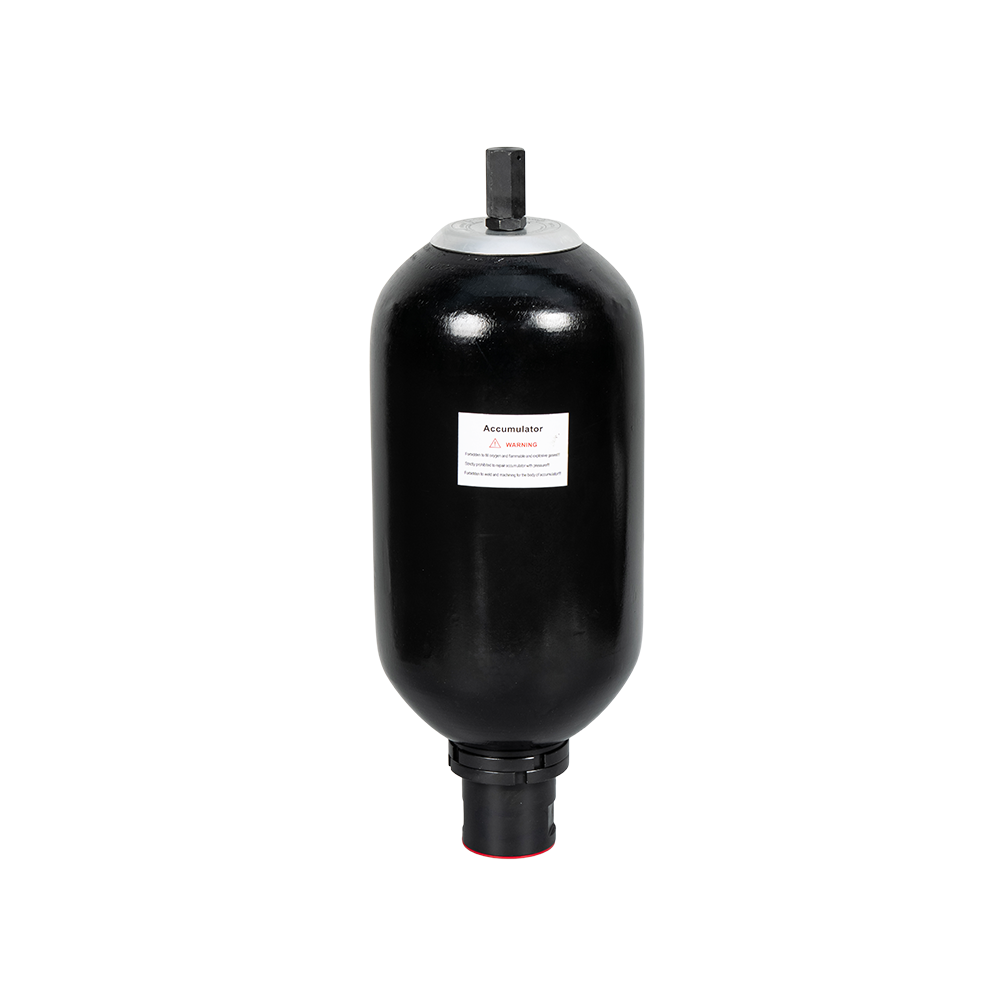
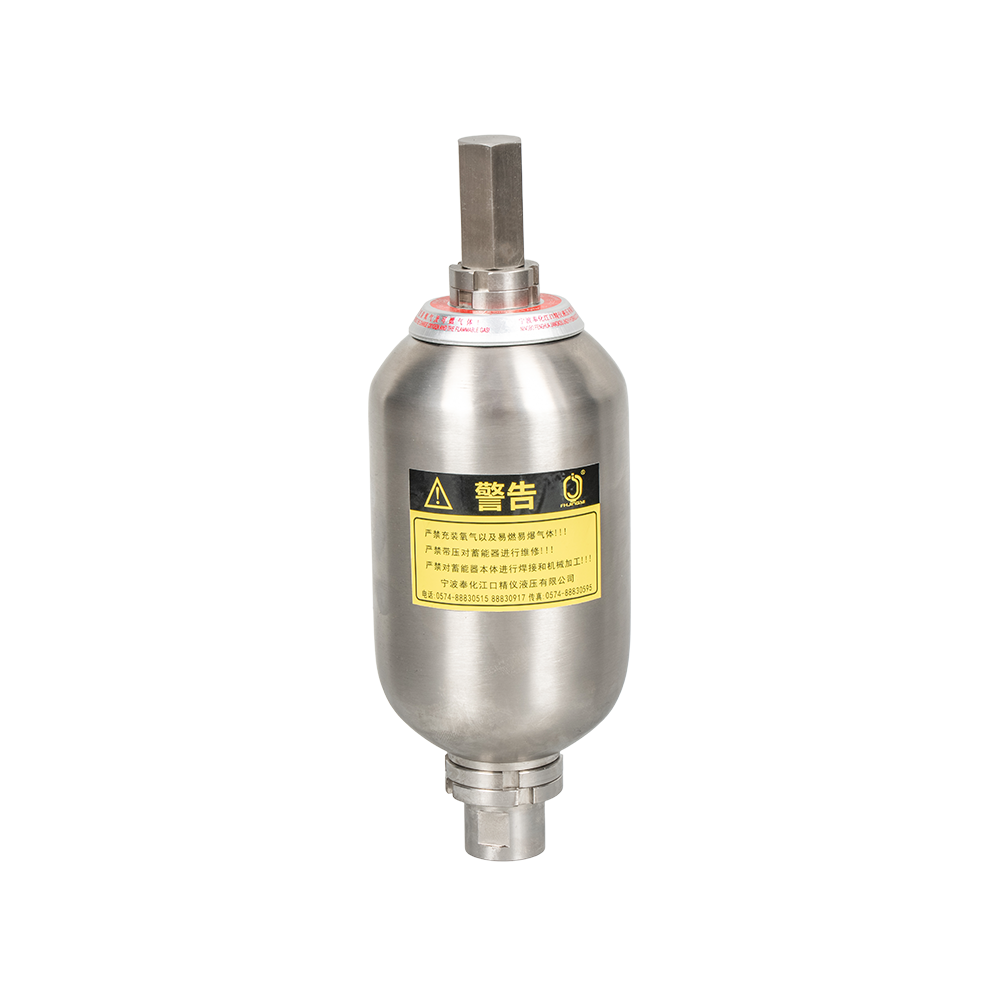
Model Designations
1. Bladdervolume: 0.4-100L
2. BIadderlength: 74-1880mm
3. Structure type: A Type

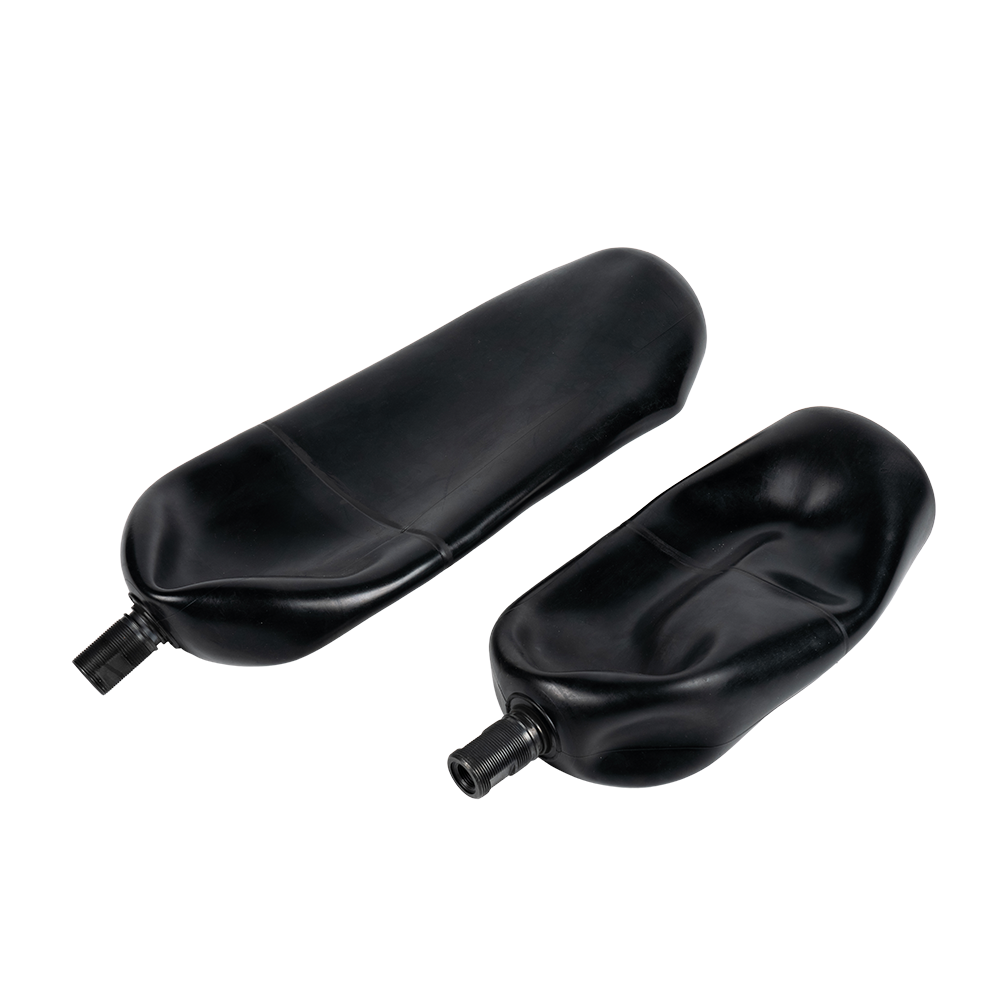
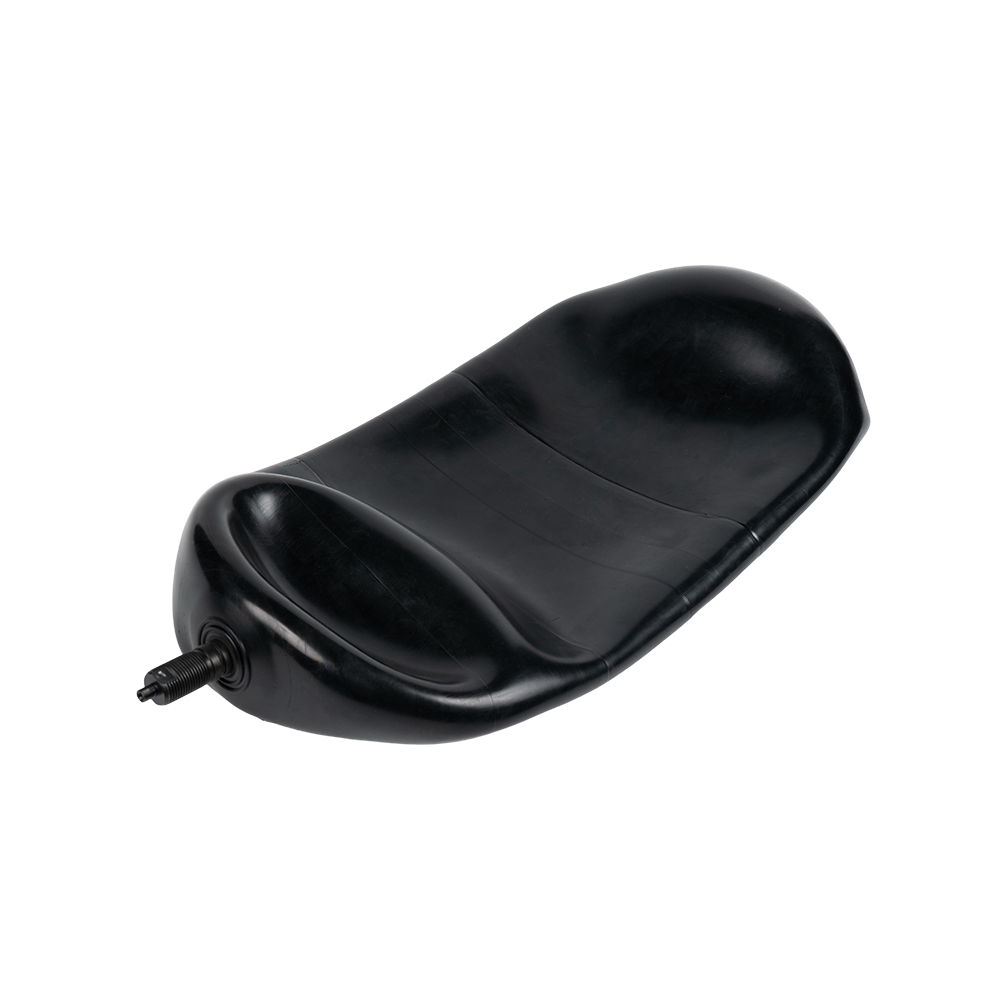
The NXQ Series Accumulator Bladder is a critical energy storage element in hydraulic systems, primarily responsible for absorbing energy fluctuations and releasing energy to smooth system operation.

Main Functions
1. Energy Storage: When the hydraulic pump pressurizes the system, the accumulator bladder deforms, compressing the internal nitrogen (or other compressed gas) to store energy.
2. Pressure Stabilization: When system pressure drops, the accumulator bladder rebounds, releasing the compressed gas to replenish hydraulic oil and maintain system pressure near the set value.
3. Capacity Compensation: It compensates for volume changes caused by the movement of components such as pipes and piston rods in the system.
4. Pulse Absorption: In hydraulic systems, the opening or closing of solenoid valves generates instantaneous shocks (pulses). The accumulator bladder effectively absorbs these shocks, protecting system components.
Working Medium:
1. Inside the Accumulator Bladder: Typically filled with nitrogen (N2), sometimes other inert gases.
2. Outside the Accumulator Bladder: Filled with hydraulic oil (Y), emulsion (R), or water-glycol (EG), etc.
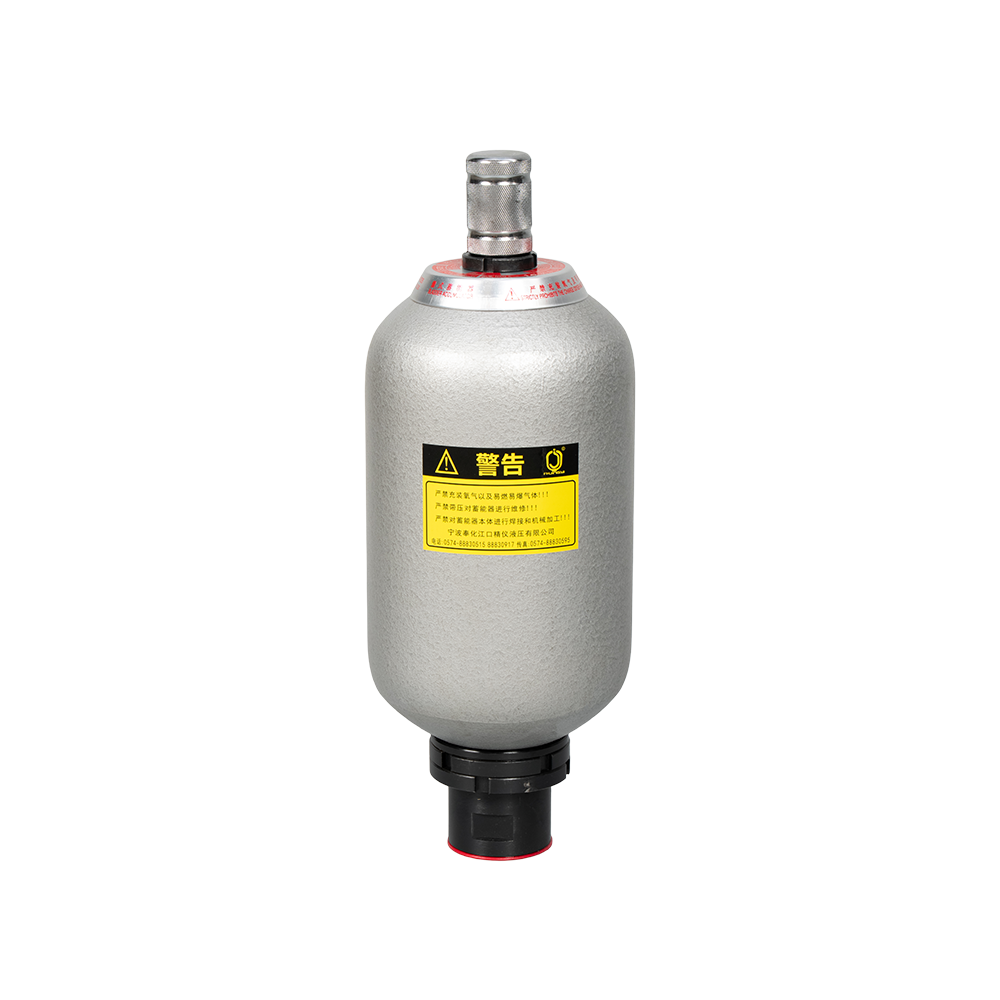
3. Material: The outer shell is commonly made of 20# steel, 35CrMo, or 316L stainless steel. The accumulator bladder body is typically made of high-strength, oil-resistant rubber, featuring oil resistance, acid and alkali resistance, heat resistance, and minimal deformation.
4. Standards: Complies with HG2331 standard (European standard) and is applicable to standards such as GB/T 20663-2017.
Common Models and Structures:
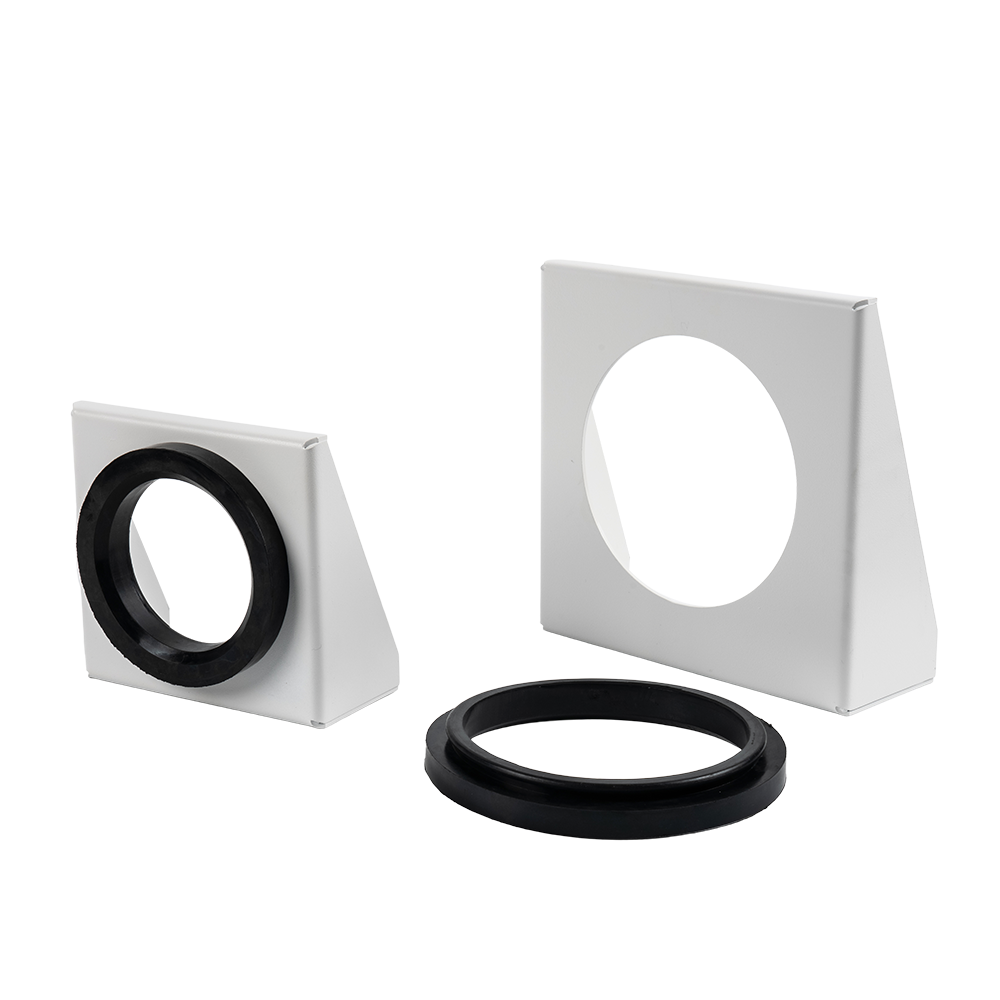
This series includes various models with different capacities (from 0.4L to 200L). Common structures include Type A (small port) and Type AB (large port). Connection methods include flange (F) and threaded (L). Model designations typically include information such as capacity, rated pressure, and connection method.
We can design and develop according to the needs of our customers to meet the requirements of different clients.
Model Designations
1. Bladdervolume: 0.4-100L
2. BIadderlength: 74-1880mm
3. Structure type: A Type
Overall Dimension
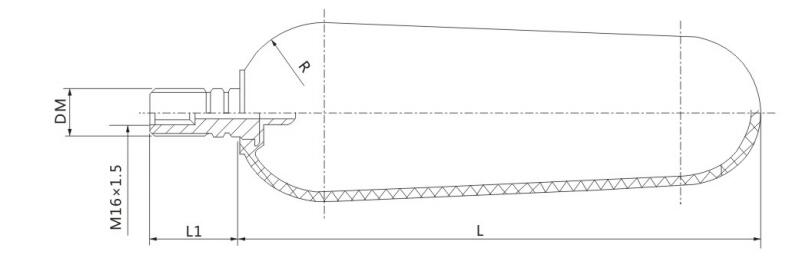
1. NXQ Series Accumulator Bladder Parameter Table
| Series (Φ) | Volume (L) | DM | L (mm) | L2 (mm) | R (mm) |
| 89 | 0.4 | M24×1.5 | 74 | 44 | 38.5 |
| 89 | 0.63 | M24×1.5 | 144 | 44 | 38.5 |
| 89 | 1 | M24×1.5 | 250 | 44 | 38.5 |
| 114 | 1 | M24×1.5 | 150 | 44 | 49 |
| 152 | 1.6 | M30×1.5 | 144 | 49 | 66 |
| 152 | 2.5 | M30×1.5 | 206 | 49 | 66 |
| 152 | 4 | M30×1.5 | 312 | 49 | 66 |
| 152 | 6.3 | M30×1.5 | 486 | 49 | 66 |
| 219 | 10 | M30×1.5 | 365 | 60 | 95 |
| 219 | 16 | M30×1.5 | 569 | 60 | 95 |
| 219 | 20 | M30×1.5 | 700 | 60 | 95 |
| 219 | 25 | M30×1.5 | 877 | 60 | 95 |
| 219 | 32 | M30×1.5 | 1110 | 60 | 95 |
| 219 | 40 | M30×1.5 | 1405 | 60 | 95 |
| 219 | 50 | M30×1.5 | 1735 | 60 | 95 |
2. NXQ Series Accumulator Bladder Parameter Table
| Series (Φ) | Volume (L) | DM | L (mm) | L2 (mm) | R (mm) |
| 299 | 20 | M30×1.5 | 380 | 70 | 131 |
| 299 | 25 | M30×1.5 | 470 | 70 | 131 |
| 299 | 40 | M30×1.5 | 740 | 70 | 131 |
| 299 | 50 | M30×1.5 | 950 | 70 | 131 |
| 299 | 63 | M30×1.5 | 1180 | 70 | 131 |
| 299 | 80 | M30×1.5 | 1480 | 70 | 131 |
| 299 | 100 | M30×1.5 | 1880 | 70 | 131 |
| 299 | 150 | M30×1.5 | 2815 | 70 | 131 |
During a typical injection molding cycle, the hydraulic system demands a sudden surge of oil to drive the injection screw forward at high speed. If the pump alone supplies this flow, it must be oversized, wast...
READ MOREWhen a 180-ton mobile crane lowers a fully loaded boom, the inertia can push hydraulic pressure above 400 bar in the luffing cylinder in less than a second. Without a device to absorb that peak, seals fail ear...
READ MOREThe maintenance log on a small clamping circuit shows the same pattern twice a year: a bladder accumulator loses its nitrogen pre-charge, the pump cycles every few seconds, and the standard bladder kit no long...
READ MOREA harvester header that sags a few centimetres every time pump load spikes, or a reel that surges as the engine drops to idle, points to the same root cause: pressure fluctuation that nothing in the circuit is...
READ MORE