
 Español
 中文简体
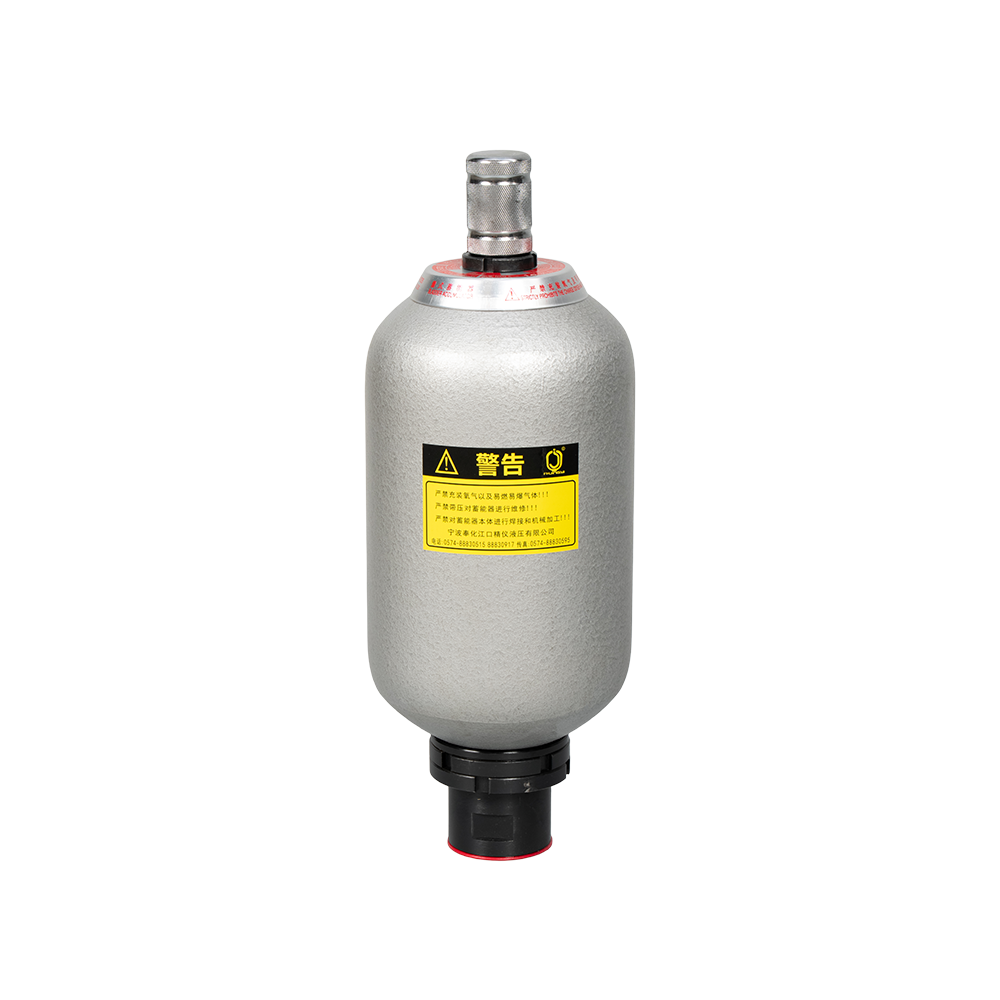
中文简体The NXQ Series Bladder Accumulator is a bladder-type accumulator conforming to national standards (JB/T 7036-93) or HG2331. Its core component is the "bladder" or "capsule," hence the name. This serie...
See Details
How to Choose the Right Hydraulic Valve for Any Application?
Admin 2026-06-23Content
- 1 How to Choose the Right Hydraulic Valve: The Direct Answer
- 2 Step One: Identify the Function You Need the Valve to Perform
- 3 Step Two: Match the Valve to Your System's Operating Pressure
- 4 Step Three: Select the Correct Valve Size for Your Flow Rate
- 5 Step Four: Choose the Right Actuation Method
- 6 Step Five: Verify the Mounting Pattern and Connection Standard
- 7 Additional Selection Factors That Affect Long-Term Performance
- 8 Hydraulic Valve Selection Checklist: A Practical Summary
- 9 Common Application Scenarios and the Correct Valve Choice
- 10 Why Quality Manufacturing Standards Matter When Selecting Hydraulic Valves
How to Choose the Right Hydraulic Valve: The Direct Answer
Choosing the right hydraulic valve for an application comes down to five core parameters: valve function (directional, pressure, or flow control), system operating pressure, required flow rate, actuation method, and the installation/mounting standard. Get these five right and the valve will perform reliably. Miss any one of them and the consequences range from poor system efficiency to premature component failure or unsafe operation. The sections below walk through each factor in detail and explain exactly how to apply them to your application.
Step One: Identify the Function You Need the Valve to Perform
Every hydraulic valve belongs to one of three functional categories. Selecting the wrong category means the valve cannot do the job, regardless of its quality or specifications.
Directional Control Valves
Directional control valves (DCVs) govern the start, stop, and direction of fluid flow to actuators such as hydraulic cylinders and motors. The most common type is the 4/3-way directional valve—four working ports (P, T, A, B) and three spool positions—which controls a double-acting cylinder in extend, retract, and neutral states. Simpler 2/2 or 3/2 valves handle on/off and single-acting cylinder applications. Choose a directional valve when your application requires controlling which way an actuator moves or when it stops.
Pressure Control Valves
Pressure control valves regulate or limit the pressure within a circuit. Sub-types include:
- Relief valves — protect the system by diverting flow to tank when pressure exceeds a set threshold; used as system safety devices
- Pressure-reducing valves — maintain a lower, constant downstream pressure in a branch circuit independent of the main circuit pressure
- Sequence valves — ensure one actuator reaches a set pressure before a second actuator begins to move, enabling controlled sequential operations
- Counterbalance valves — prevent uncontrolled descent of vertical loads by maintaining backpressure on the return side of a cylinder
Flow Control Valves
Flow control valves regulate the volumetric flow rate to an actuator, thereby controlling its speed. A simple throttle valve reduces flow by restriction. A pressure-compensated flow control valve maintains a constant flow rate regardless of load-induced pressure fluctuations—essential for applications requiring consistent actuator speed under varying loads. Choose a flow control valve whenever actuator speed control is the primary requirement.
| Valve Category | What It Controls | Typical Application |
|---|---|---|
| Directional Control Valve | Flow direction and start/stop | Cylinder extend/retract, motor forward/reverse |
| Pressure Control Valve | System or circuit pressure | System protection, branch pressure limiting, sequential operation |
| Flow Control Valve | Actuator speed via flow rate | Cylinder speed control, motor speed regulation |
Step Two: Match the Valve to Your System's Operating Pressure
Every hydraulic valve carries a maximum working pressure rating. Selecting a valve rated below the system's peak operating pressure is one of the most common—and most dangerous—specification errors in hydraulic system design. The valve body, seals, and spool must all withstand not just the nominal system pressure but also pressure spikes generated during load reversal, cylinder end-of-stroke, and pump startup.
As a general rule, select a valve whose pressure rating exceeds the system relief valve setting by at least 20–25%. For example, if the system relief valve is set to 200 bar, choose a directional or flow control valve rated for at least 250 bar continuous operation. Hydraulic valves used in high-pressure systems—such as construction equipment, presses, and injection molding machinery—routinely operate at pressures between 200 and 350 bar, and the selected valve must be certified for that range.
Pressure Ratings: Key Terms to Understand
- Nominal (rated) pressure: The continuous operating pressure the valve is designed to sustain indefinitely without degradation.
- Peak (intermittent) pressure: The maximum pressure the valve can withstand for short durations (typically defined as brief spikes). This value is always higher than the nominal rating.
- Proof pressure: The pressure applied during factory testing without permanent deformation—usually 1.5× the nominal rating. It is not an operating specification.
Step Three: Select the Correct Valve Size for Your Flow Rate
Valve size is expressed either as a nominal pipe/thread size or as a NG (nominal gauge) designation in ISO metric systems. The relationship between valve size and flow capacity is critical: an undersized valve creates excessive pressure drop across the valve, generating heat, wasting energy, and reducing actuator force. An oversized valve may lack the fine metering control needed for precise speed regulation.
The key metric is pressure drop (ΔP) at the required flow rate. Valve manufacturers publish flow-versus-pressure-drop curves for each valve size. For directional control valves in most mobile and industrial applications, a pressure drop of 3–7 bar at rated flow is a commonly accepted design target. Exceeding 10 bar ΔP across a directional valve at operating flow indicates the valve is undersized for the application.
Common NG Size Guide for Directional Control Valves
| NG Size | General Flow Range | Typical Application Scale |
|---|---|---|
| NG 6 (D03) | Up to ~40 L/min | Small machines, laboratory, light industrial |
| NG 10 (D05) | Up to ~120 L/min | Mobile equipment, mid-size industrial machinery |
| NG 16 (D07) | Up to ~250 L/min | Heavy construction equipment, large presses |
| NG 25 and above | Above 250 L/min | Heavy industry, offshore, large hydraulic power units |
Step Four: Choose the Right Actuation Method
The actuation method determines how the valve spool or poppet changes position. The choice depends on the control architecture of the system, the operating environment, and the required response speed.
Manual Actuation
Levers, push buttons, and foot pedals are used in applications where a human operator directly controls the valve. Manual valves are simple, require no electrical power, and are intrinsically safe in environments where electrical actuation presents a hazard. They are common in agricultural equipment, log splitters, and service vehicles.
Solenoid Actuation
Solenoid-operated directional control valves are the most widely used type in industrial and mobile hydraulic systems. An electromagnetic coil pulls the spool when energized, enabling remote or automated control via a PLC, relay, or switch. Key specification points for solenoid valves include:
- Coil voltage and current (DC 12V, DC 24V, and AC 220V are the most common standards)
- Wet-pin vs. dry-pin solenoid construction—wet-pin solenoids are submerged in hydraulic fluid for cooling and are generally more reliable in continuous-duty applications
- IP (Ingress Protection) rating for the solenoid enclosure if the valve will operate in a wet, dusty, or explosive atmosphere
Pilot (Hydraulic) Actuation
Pilot-operated valves use hydraulic pressure from a separate pilot line to shift the spool. They are used where the flow rates are too large for direct solenoid actuation to overcome the spool shift force, or where the main valve must be isolated from the control signal. A pilot-operated relief valve, for example, uses a small pilot stage to precisely control a large main poppet, enabling accurate pressure control at very high flow rates.
Proportional and Servo Actuation
Proportional solenoid valves and servo valves provide continuously variable spool positioning rather than simple on/off switching. This enables precise control of flow rate or direction proportional to an electrical command signal. They are essential in applications requiring smooth acceleration, precise speed profiling, or closed-loop position control. Proportional valves offer a cost-effective middle ground between simple solenoid valves and full servo valves, with a frequency response typically adequate for most industrial automation requirements.
Step Five: Verify the Mounting Pattern and Connection Standard
Hydraulic valves are mounted and connected to manifolds or pipework using standardized interfaces. Mismatching the mounting pattern or port standard to the existing system is an error that cannot be corrected by shimming or adapting without introducing potential leak paths and additional pressure drops.
Subplate (Cetop / ISO 4401) Mounting
Most solenoid-operated directional control valves use a subplate mounting pattern standardized under ISO 4401 (internationally) or the equivalent Cetop designation. NG 6 corresponds to Cetop 3 / ISO 4401-03; NG 10 corresponds to Cetop 5 / ISO 4401-05. Specifying the correct pattern ensures the valve bolts directly to the manifold without additional adapters.
Cartridge (Screw-In) Valves
Cartridge valves thread directly into a machined cavity in a manifold block. They are compact, virtually leak-free at the valve-to-manifold interface, and well suited to multi-function manifold assemblies. The cavity dimensions are typically standardized (e.g., Sun Hydraulics cavity standards are widely adopted), so specifying the cavity standard is essential when sourcing replacement or alternative cartridge valves.
Inline (Pipe-Mounted) Valves
Inline valves connect directly into the hydraulic line via threaded ports. Ensure that the port thread standard (BSP, NPT, SAE, or metric) matches the existing system. A mismatch between BSP and NPT threads, for example, will not seal correctly and will leak under pressure.
Additional Selection Factors That Affect Long-Term Performance
Beyond the five primary parameters, several additional factors influence valve selection for specific operating conditions:
Fluid Compatibility and Viscosity Range
Most hydraulic valves are designed for mineral-based hydraulic oil with a viscosity range of 15–100 cSt and operating temperatures between −20°C and +80°C. Applications using fire-resistant fluids (HFA, HFB, HFC, HFD types), biodegradable oils, or water-glycol mixtures require seals and body materials specifically selected for compatibility with those fluids. Using standard nitrile seals in a phosphate-ester fluid system, for example, will result in rapid seal degradation and valve failure.
Contamination Sensitivity and Filtration Requirements
Proportional and servo valves have extremely tight spool-to-bore clearances (typically 2–5 µm) and require system cleanliness levels of ISO 4406 class 16/14/11 or better. Standard directional control valves typically tolerate ISO 4406 class 18/16/13. Specifying a valve with a contamination sensitivity level that exceeds the system's actual filtration capability leads to spool sticking, premature wear, and erratic operation. Always match the valve's contamination tolerance to the achievable filtration level.
Temperature Extremes
Cold-start operation in outdoor equipment can expose valves to temperatures below −20°C, where standard hydraulic oil thickens enough to prevent spool movement at startup. In these applications, specify valves with low-temperature seals (typically fluorocarbon or polyurethane) and consider a low-viscosity hydraulic fluid. High-temperature applications—found in steel mills, foundries, and near engines—require valves with high-temperature seal materials and adequate heat dissipation in the manifold design.
Spool Center Condition for Directional Valves
The behavior of a directional valve in its neutral (center) position is critical to system design. Three common center configurations are:
- Open center: All ports connected in neutral; pump unloads to tank at low pressure. Suitable for fixed-displacement pump systems where unloaded circulation reduces heat generation when no actuator is moving.
- Closed center: All ports blocked in neutral; pressure builds to relief valve setting. Required for variable-displacement pump systems with pressure compensation, or where load must be held.
- Tandem center: Pump port connected to tank in neutral, actuator ports blocked. Allows unloaded pump circulation while holding the load position.
Selecting the wrong center condition is a circuit design error that can cause continuous high-pressure operation, load drift, or pump failure.
Hydraulic Valve Selection Checklist: A Practical Summary
Use the following checklist before finalizing any hydraulic valve specification:
- Define the required function — directional control, pressure control, or flow control.
- Confirm the system's maximum operating pressure and select a valve rated at least 20–25% above that value.
- Calculate the required flow rate and select a valve size that keeps pressure drop within an acceptable range (typically under 7 bar for directional valves at rated flow).
- Choose the actuation method — manual, solenoid, pilot, proportional, or servo — based on the control system architecture and environmental conditions.
- Verify the mounting pattern (Cetop subplate, cartridge cavity standard, or inline port thread) matches the existing system or manifold.
- Confirm seal compatibility with the hydraulic fluid type and the operating temperature range.
- Match the valve's contamination tolerance to the system's filtration capability.
- For directional valves, specify the correct spool center condition (open, closed, or tandem) for the pump type and circuit requirements.
| Selection Parameter | Wrong Choice Consequence | Correct Approach |
|---|---|---|
| Valve function | Valve cannot perform the required control | Match category (directional / pressure / flow) to circuit requirement |
| Pressure rating | Catastrophic failure, safety risk | Rate ≥ 120–125% of system relief setting |
| Valve size / flow capacity | Excessive heat generation, energy loss, poor actuator control | Keep ΔP within published design limits at operating flow |
| Actuation method | Incompatible with control system or environment | Match to control voltage, IP rating, and response speed requirement |
| Mounting / connection standard | Cannot install; leak paths; additional pressure drop | Specify NG size, cavity standard, or port thread to match system |
| Seal / fluid compatibility | Rapid seal degradation, internal leakage, valve failure | Specify seal material to match fluid type and temperature range |
| Contamination tolerance | Spool sticking, premature wear, erratic operation | Match valve cleanliness requirement to filtration level achievable |
Common Application Scenarios and the Correct Valve Choice
Applying the selection criteria above to real-world scenarios makes the decision process clearer:
Controlling a Double-Acting Cylinder on a Mobile Machine
Application: a construction machine arm cylinder that must extend, retract, and hold position. Requirement: directional control, solenoid-operated for remote/PLC control, open-center neutral for unloaded pump circulation with a fixed-displacement pump, rated to the system pressure. The correct valve: a 4/3-way solenoid directional control valve, open-center spool, NG 10 or NG 16 depending on flow rate, pressure-rated to the system. Add a counterbalance valve in the circuit to prevent uncontrolled drift under external load.
Protecting a High-Pressure Circuit
Application: an industrial press operating at 280 bar that requires overload protection. Requirement: a valve that limits maximum circuit pressure by diverting excess flow to tank. The correct valve: a direct-acting or pilot-operated relief valve set at 280 bar and rated for the maximum instantaneous flow the pump can deliver. A pilot-operated relief valve is preferred at higher flow rates because it maintains a tighter pressure override band (the difference between cracking pressure and full-flow pressure) than a comparable direct-acting valve.
Speed Control of a Hydraulic Motor
Application: a conveyor drive requiring consistent belt speed independent of varying load torque. Requirement: constant flow rate to the motor regardless of load-induced backpressure variation. The correct valve: a pressure-compensated flow control valve sized for the required motor flow rate, installed in the inlet line to the motor. Without pressure compensation, a simple throttle valve would allow speed to vary as load changes—exactly the problem the application requires to be solved.
Precise Position Control in Automation
Application: a hydraulic actuator on an industrial automation line requiring smooth, programmable positioning. Requirement: variable spool position proportional to an analog command signal, fast response, closed-loop feedback. The correct valve: a proportional directional control valve with an integrated LVDT spool position sensor for closed-loop spool control, mounted on a manifold with the appropriate NG subplate pattern, connected to a dedicated proportional valve amplifier card.
Why Quality Manufacturing Standards Matter When Selecting Hydraulic Valves
A hydraulic valve may meet every specification on paper but still perform poorly if manufactured to loose tolerances. The spool-to-bore clearance, seal groove dimensions, and surface finish of the valve body directly determine internal leakage rate, pressure drop, hysteresis (in proportional valves), and service life.
JingYi Hydraulic Manufacturing Co., Ltd. (JINGYI) specializes in oil-type hydraulic valves and related hydraulic system components. Established in 2000 and ISO 9001 certified, the company has built a stable export record covering more than 40 countries, supplying hydraulic valves that are manufactured and inspected to consistent quality management system standards. For engineers and procurement professionals specifying hydraulic valves for industrial or mobile applications, sourcing from an ISO 9001-certified manufacturer with documented export experience provides a verifiable baseline of manufacturing consistency—an important consideration when valve performance directly affects machine safety, productivity, and maintenance intervals.
When reviewing any hydraulic valve supplier, the key quality indicators to request are: pressure test certification for each valve, material certificates for valve body and seal materials, dimensional inspection reports confirming conformance to the specified mounting pattern standard, and documented contamination cleanliness level achieved during assembly and testing.
PREV: Accumulator Charging Kit: Components, Usage & Selection GuideNEXT: What Does an Accumulator Do?
Related Products
-
-
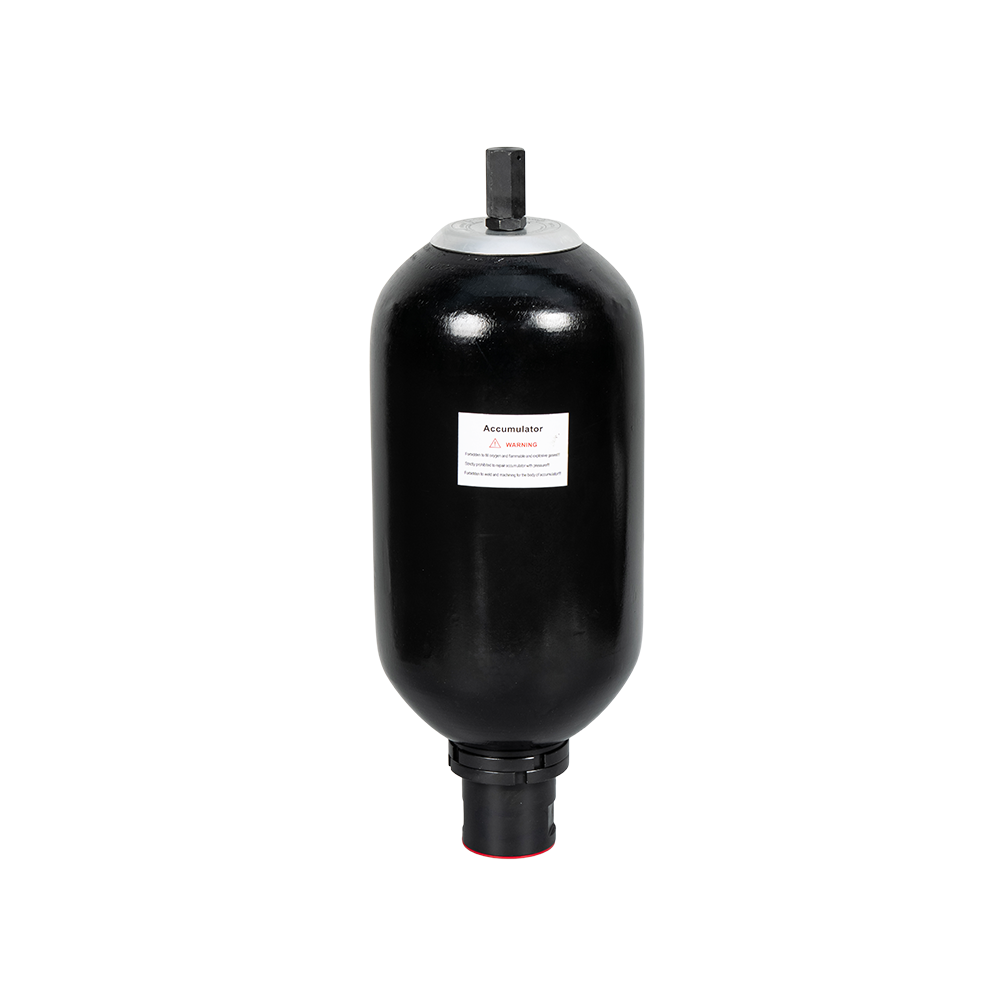
PED-type bladder accumulators refer to bladder accumulators that comply with the EU PED Directive (2014/68/EU). These accumulators typically consist of a steel outer shell and an internal elastic blad...
See Details -
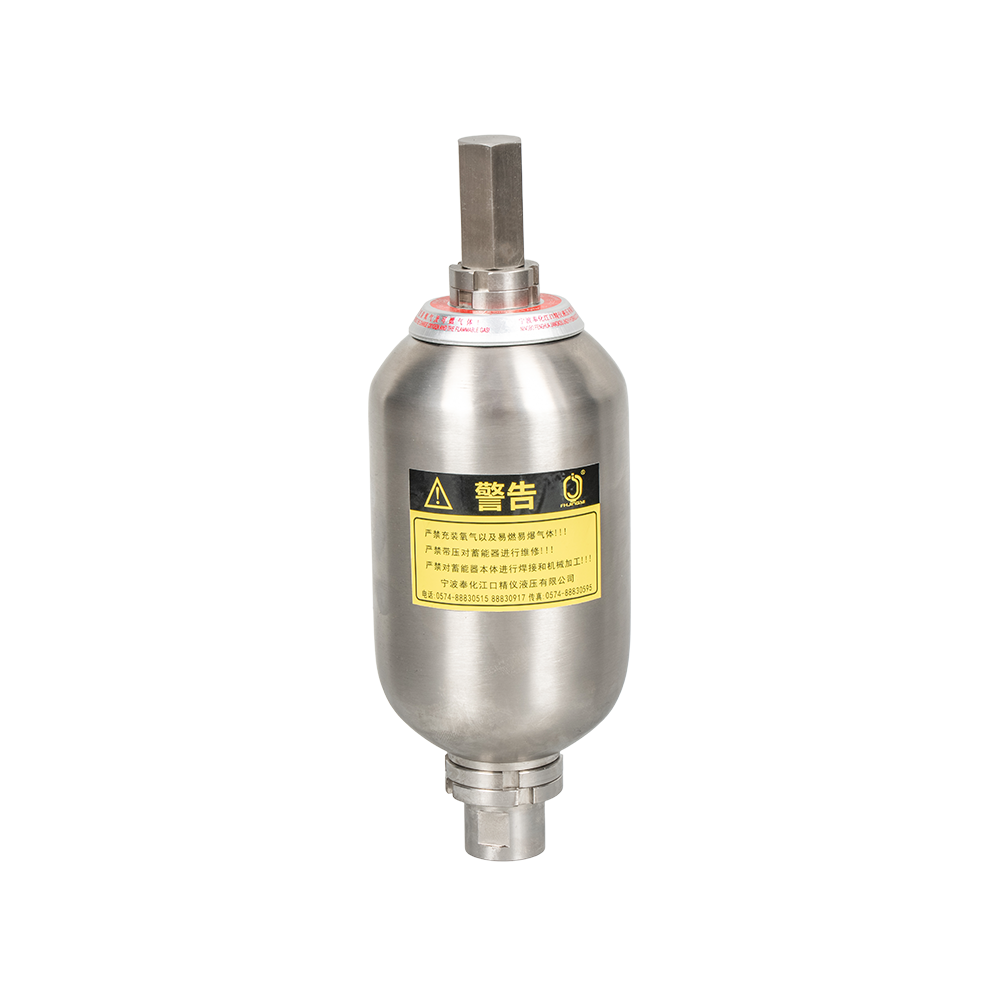
A stainless steel bladder accumulator is an energy storage device used in hydraulic systems. It utilizes the compressibility of a gas (usually nitrogen) to store and release energy, primarily for stab...
See Details -
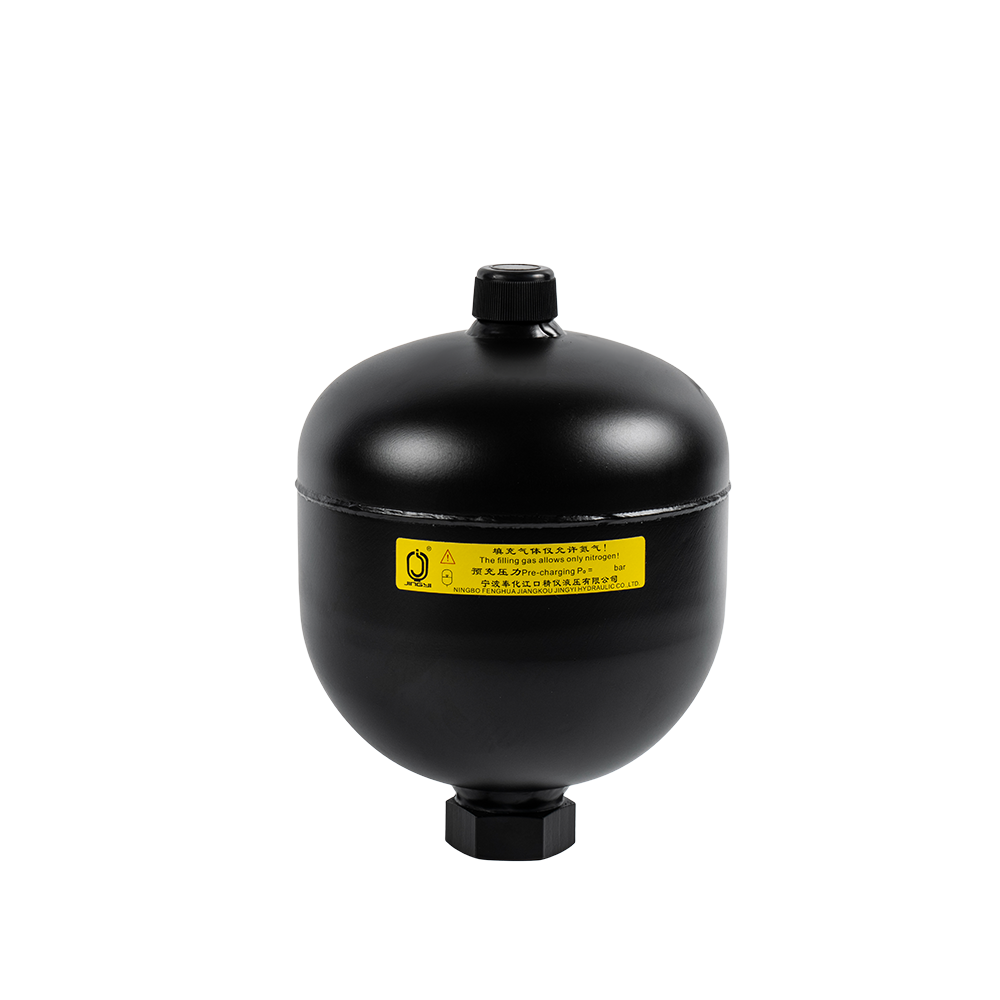
A diaphragm accumulator is a mechanical device that stores and releases energy using Boyle's Law (the compressibility of gases). Its core structure is a diaphragm made of a flexible material (usually ...
See Details -
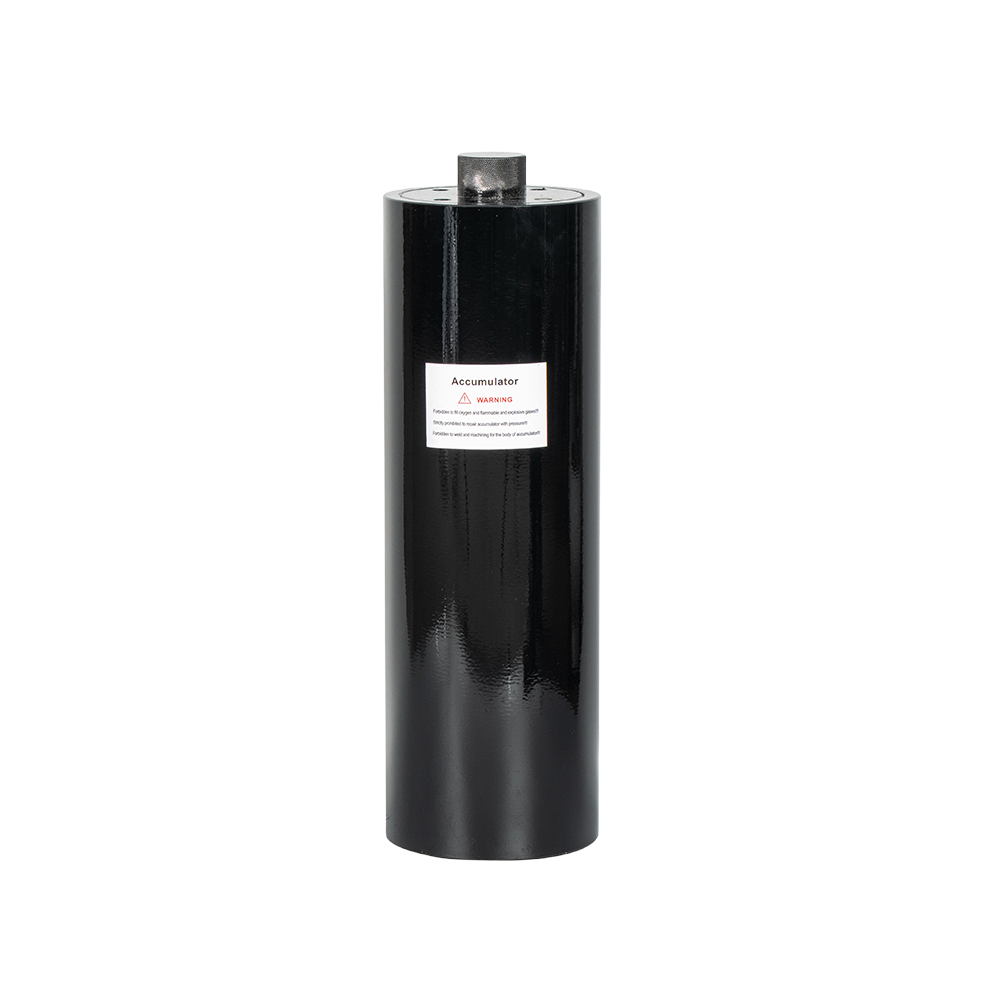
A Piston Accumulator is a mechanical device that uses the compressibility of a gas (usually nitrogen) to store hydraulic energy. It is widely used in hydraulic systems as an energy regulator. It isola...
See Details -
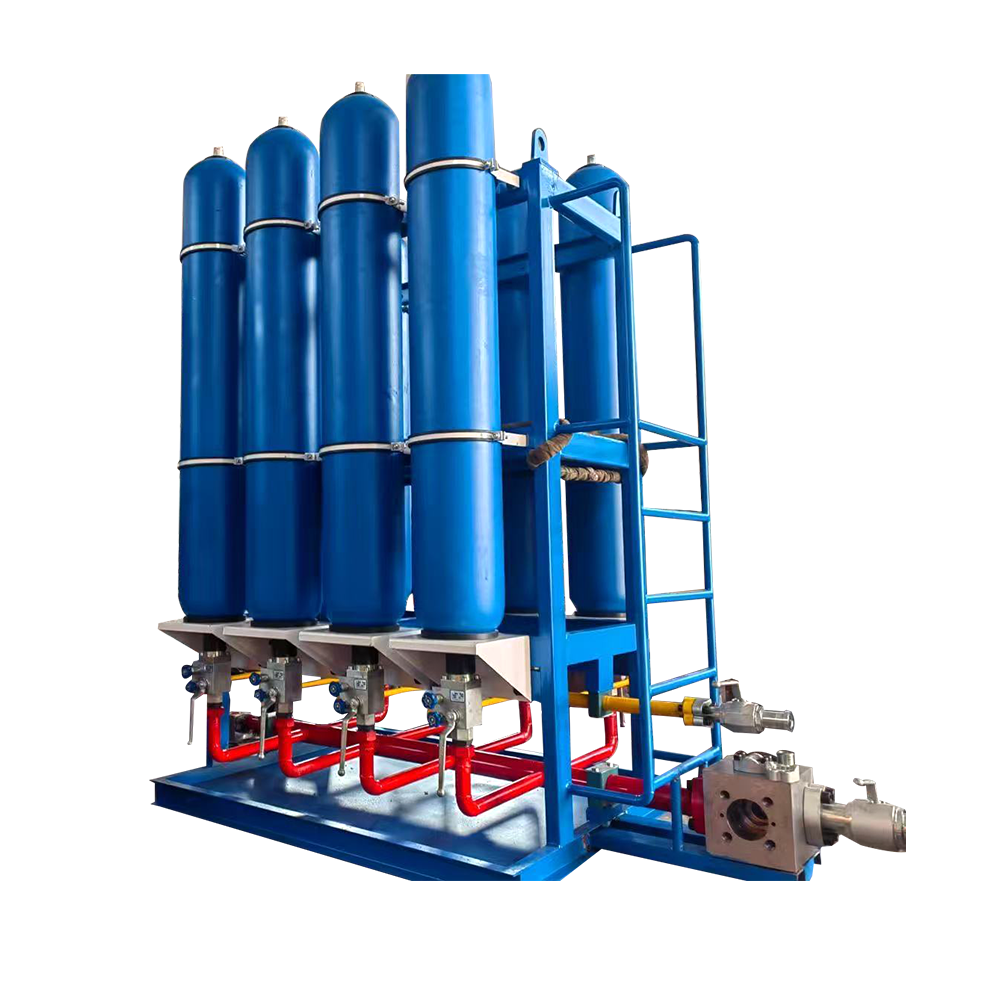
JINGYI Hydraulic Corporation offers a series of full-bladder accumulator stations, which include a fixed bolster, bag-type accumulator, a control valve group, ball valve, pipeline, oil return pipe, et...
See Details
News
-
Every hydraulic system has a moment when demand exceeds supply. A molding press calls for a sudden surge of fluid; a wind turbine pitch drive needs a short burst of power; a hydraulic rig requires emergency pr...
READ MORE -
Imagine a machine that needs a short burst of high flow for only five seconds out of every forty-second cycle. If the pump is sized for that peak, the rest of the time it runs oversized, generates unnecessary ...
READ MORE -
Diaphragm accumulators adopt a diaphragm separation structure. They are compact in size, leak-proof, and highly responsive, making them suitable for pressure stabilization and small flow compensation in micro h...
READ MORE -
Bladder accumulators use rubber bladders to separate gas and fluid. They feature fast response and good sealing performance, effectively absorbing pressure pulsations and compensating flow. Suitable for medium ...
READ MORE -
When a 180-ton mobile crane lowers a fully loaded boom, the inertia can push hydraulic pressure above 400 bar in the luffing cylinder in less than a second. Without a device to absorb that peak, seals fail ear...
READ MORE -
A harvester header that sags a few centimetres every time pump load spikes, or a reel that surges as the engine drops to idle, points to the same root cause: pressure fluctuation that nothing in the circuit is...
READ MORE
contact us

-

-

Mobile: +86-574-88830515
-

Telephone: +86-15968431761
-

No. 12 Xujiabu, Xikou Town, Fenghua District, Ningbo City, Zhejiang Province, P.R.China